Nine-Year Sentence for DIY Daycare Boss, Rp200 Million Restitution Disappoints Victims' Families
Baca dalam 60 detik
- Majelis hakim PN Yogyakarta menjatuhkan pidana 9 tahun penjara dan denda Rp900 juta kepada Diyah Kusumastuti, plus kewajiban restitusi Rp200,98 juta.
- Nominal restitusi hanya sekitar 15,8% dari total kerugian yang dihitung LPSK sebesar Rp2,12 miliar untuk 83 anak korban.
- Para orang tua menilai pemulihan psikologis dan biaya terapi jangka panjang belum terakomodasi, sementara JPU masih pikir-pikir atas upaya hukum berikutnya.
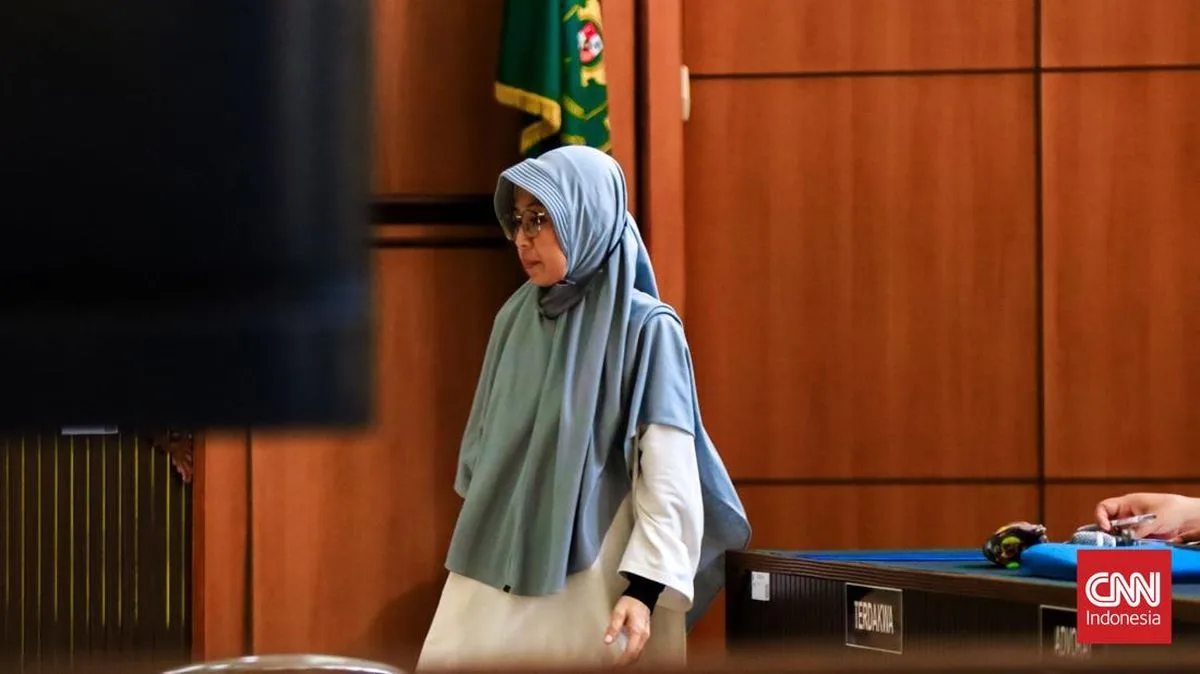
The panel of judges at the Yogyakarta District Court sentenced Diyah Kusumastuti, founder and chair of the Aresha Indonesia Center Foundation, to nine years in prison and a Rp900 million fine in the case of violence and neglect of children at Daycare Little Aresha. However, the court's decision on Thursday (26/11) left the victims' families deeply disappointed because the restitution obligation imposed was only Rp200,984,082—far below the loss calculation submitted by the prosecution.
The figure contrasts with the total restitution calculated by the Witness and Victim Protection Agency (LPSK) for 83 children, namely Rp2,125,277,183. The Public Prosecutor's Office (JPU) itself demanded that Diyah pay Rp1,274,166,003.98, while 32 other defendants were asked to bear the remainder proportionally. Of the 13 defendants who have already been tried to verdict, only Diyah was required to pay compensation; eleven caregivers and the school principal were not subject to a similar obligation.
The judges' decision placed the entire restitution burden on Diyah on the grounds that she owned the account through which all receipts and operational costs of the foundation were managed. The judges considered Diyah the party who enjoyed the business profits, and therefore fit to bear compensation for the victims. If the restitution is not paid, prosecutors are authorized to seize and auction her assets; if the proceeds are insufficient, a substitute prison sentence of 80 days will be applied proportionally.
Imedia Dwi Anjani, one of the victims' parents, said she was not satisfied with the verdict. She highlighted the disparity between the restitution her family received—about Rp750 thousand—and the cost of her child's therapy, which reaches Rp100 thousand per session, four times a week, or about Rp1.6 million per month. "My child was hospitalized repeatedly, impetigo, and so on, but only got Rp750 thousand. Some only got Rp300 thousand. This is not fair," she said after the trial.
Disappointment was also voiced by Norman Windarto, another victim's father. According to him, the restitution calculation focused too much on physical treatment costs backed by receipts, while the need for long-term psychological trauma recovery had not been accommodated. "The psychological impact can appear at any time, even years later. We still have to accompany the children through therapy," Norman said.
"She is the mastermind, she gave the orders, she swallowed the money, all of it. If the sentence is that and the restitution is that, are we satisfied? Clearly not," Imedia stressed.
In their considerations, the judges rejected several restitution components proposed by LPSK. Transportation and meal costs during the legal process were deemed by the judges to be real losses, but the calculation was corrected to be proportional—for example, by counting only one vehicle per family rather than the number of vehicles used. Meanwhile, school tuition fees while the children were placed at Little Aresha and registration fees for a new daycare were declared not losses that could be claimed as restitution because paying tuition is the parents' obligation.
The judges also rejected reimbursement for psychological and physical recovery costs because the proposed values were considered projections, not actual expenditures. In addition, according to the parents' statements, the children's condition improved after being moved to another daycare. The component granted was reimbursement for reasonable medical treatment costs supported by evidence, with the note that pre-existing conditions cannot be charged to restitution.
Of the 83 child victims, the judges granted restitution to 74 applicants. The final figure of Rp200,984,082 was reached after the panel recalculated the components deemed relevant. This decision raises questions about the extent to which Indonesia's criminal justice system can restore the rights of child violence victims, especially when long-lasting psychological impacts are difficult to measure materially.
Despite their disappointment, the parents realize they cannot file an appeal directly. The next legal step lies with the JPU, which as of the end of the trial still stated it was considering its options. Norman said the complaint sent to President Prabowo Subianto had been followed up through online communication with the Deputy Assistant for Complaints, and he hopes the chronology of this case can be conveyed directly to the head of state.
This case leaves a fundamental question: is restitution covering only medical costs with receipts enough to reflect justice for victims of child violence and neglect? Going forward, pressure to reform the restitution mechanism so that it is more responsive to long-term psychological impacts appears likely to grow stronger, as public attention continues to spotlight the handling of this case.