Lululemon Founder Sparks Controversy Again: Says Women Delay Having Children, Mentions 'Importing Brides' from Thailand
Baca dalam 60 detik
- Chip Wilson, pendiri Lululemon, menuai kecaman setelah pernyataannya di sebuah forum kepemimpinan perempuan di Calgary, Kanada, yang menyinggung soal perempuan menunda kehamilan dan laki-laki yang mencari pengantin dari Thailand.
- Pernyataan tersebut memicu kemarahan peserta dan memaksa acara yang sedianya berlangsung satu jam berakhir lebih cepat, sementara penyelenggara Axis Connects menyatakan sikap tegas menolak komentar tersebut.
- Insiden ini menyoroti masih kuatnya stereotip gender di dunia kerja dan menjadi ujian bagi komitmen perusahaan terhadap keberagaman, termasuk di Indonesia yang masih bergulat dengan isu serupa.
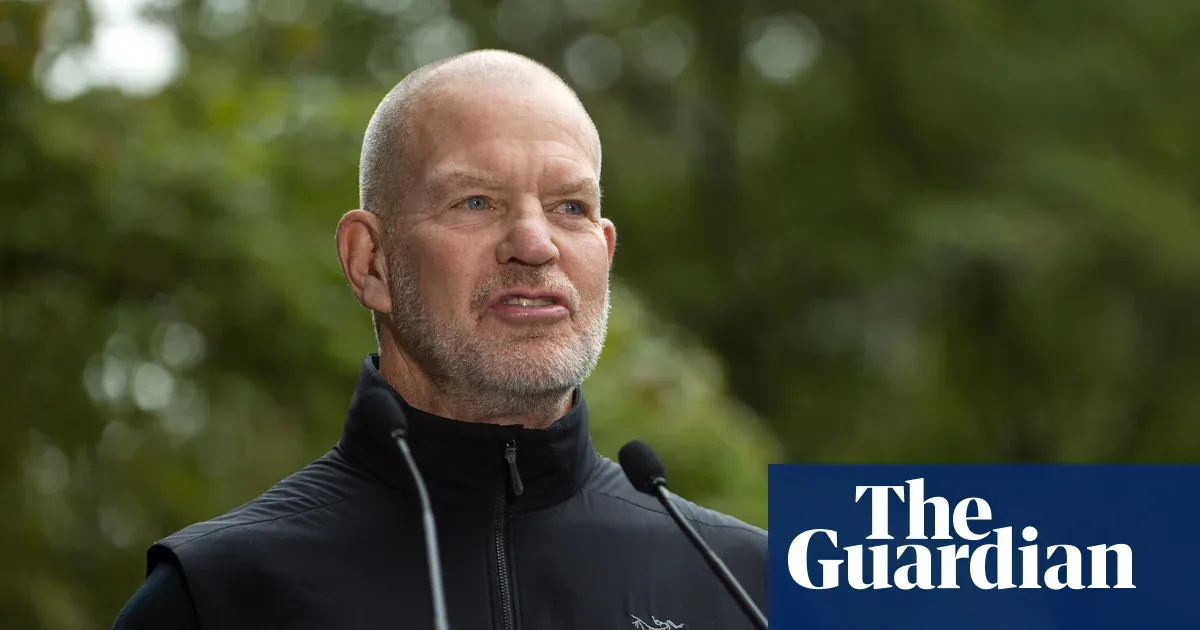
Lululemon founder Chip Wilson is back in the spotlight after making controversial remarks at a women's leadership conference in Calgary, Canada, this week. During the session held on 23 November, Wilson—who built the Vancouver-based yoga apparel brand into a global athleisure empire—said women in Canada have too few children and delay pregnancy, so some men choose to bring in brides from Thailand. The remark immediately caused an uproar in a room filled with more than 700 attendees.
According to sources who were present and spoke to The Guardian, Wilson also suggested that companies would be reluctant to hire 22-year-old women because they risk getting pregnant a year later and taking maternity leave. He was also said to have stated that men are better suited to lead women's clothing companies because they know more about women's body shapes, and made a similar claim about women leading men's fashion companies. The comments were made at a forum organized by Axis Connects, an organization that aims to advance women in leadership and create space for “honest conversations about the barriers women face in business and society.”
The event, titled “Little Black Stretchy Pants”—taken from the title of Wilson's memoir—was scheduled to run for one hour but ended after 45 minutes. One attendee described the atmosphere: “There were gasps in the room and everyone was clearly uncomfortable. A mix of discomfort, walking out, and total shock at what was being said on stage.” Another attendee said she was “furious” that Axis Connects gave Wilson a platform, especially since moderator Nuvyn Peters—CEO of Axis Connects—opened the event by saying that she and Wilson often hike together on a mountain in Vancouver.
In an official statement, Nuvyn Peters acknowledged that Wilson's comments were “offensive and inconsistent with the values and mission of Axis Connects.” She added, “We understand why the remarks caused concern and disappointment in our community. His comments also underscore an uncomfortable reality: the attitudes and assumptions that hold women back in the workplace and in leadership have not gone away. Challenging those attitudes is at the core of Axis Connects' work and ethos.” Meanwhile, a spokesperson for Wilson defended his track record in mentoring and “empowering” women in leadership positions, and said his efforts “speak for themselves.” In his memoir, Wilson mentioned several women who were early employees and worked closely with him and became millionaires after the company went public.
This controversy is not the first for Wilson. In 2013, he stepped down as Lululemon's board chairman after his comments about customers' body types sparked public anger over the see-through yoga pants issue. At the Calgary forum, Wilson was said to have tried to clarify his old statement, saying his words were “misinterpreted” and that he had actually been referring to women wearing sizes that were too small. He was also reported to have said that poverty has been largely solved and that he hopes to go to space with Elon Musk.
The incident raises broader questions about how the business world is still grappling with gender stereotypes. In Indonesia, a similar issue has also surfaced: according to data from the Central Statistics Agency (BPS), the female labor force participation rate in 2023 reached only about 54%, far below men at 84%. Indonesian women often face cultural and structural barriers, including the assumption that women will leave work after marrying or having children. Wilson's comments—which conflated pregnancy with hiring policy—reflect the prejudice that still haunts the global workplace, including in Indonesia. Companies in Indonesia that are pushing for gender equality through better maternity leave policies and women's leadership programs should use this incident as a mirror: is their commitment merely rhetoric, or is it truly put into practice?
Going forward, this case will be a test for Lululemon—which has long built an image as an inclusive brand—to take a firm stance toward its founder, who still wields great influence as a shareholder. On the other hand, event organizers such as Axis Connects need to reconsider their speaker curation so as not to give a platform to individuals who actually demean women. For the public, the question is simple: how long will forums that are supposed to empower women instead become places where outdated prejudices are repeated?