Wales Green Party Moves Toward Political Independence: Split from England by 2035
Baca dalam 60 detik
- Konferensi Partai Hijau Wales di Bangor menyetujui mosi pemisahan diri dari Partai Hijau Inggris dengan target 2035.
- Keputusan ini muncul setelah Partai Hijau Wales meraih kursi pertama di Parlemen Wales dan keanggotaan yang melonjak tiga kali lipat.
- Pemimpin Wales Anthony Slaughter menyebut langkah ini sebagai bagian dari proses transformasi dan akan ada votum final anggota.
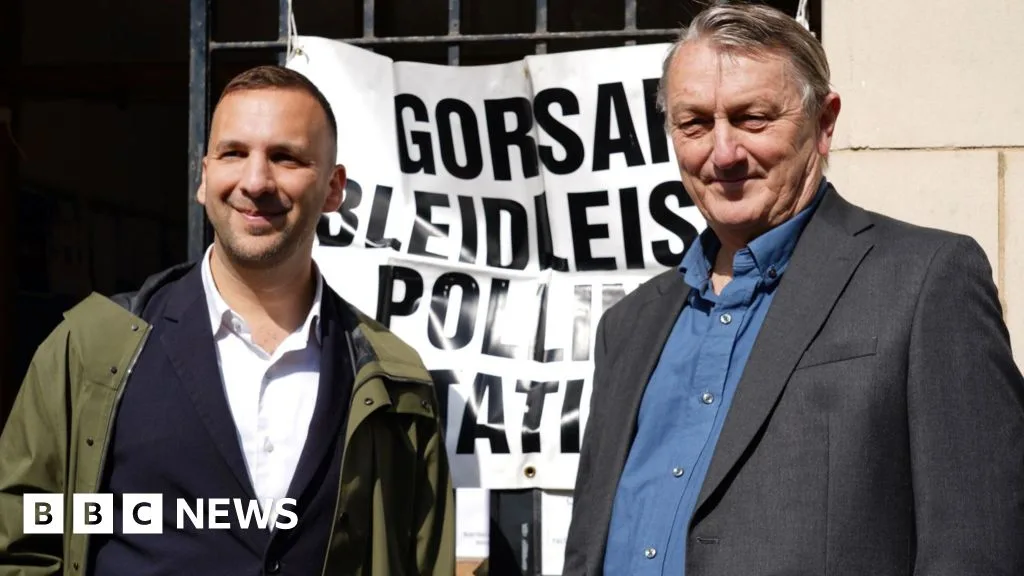
The Wales Green Party has officially taken a major step toward political self-determination. At the party conference in Bangor on Sunday (6/10/2024), a majority of members approved a motion setting a timetable for separation from the England and Wales Green Party by 2035 at the latest. The decision will still go through a final vote of all members, but it is a strong signal that the Welsh wing wants to chart its own course.
The move is not without reason. For a long time, the Wales Green Party, which legally remains part of the parent organization in England, has sought full control over local policy. The issue resurfaced after the party made history by winning its first two seats in the Welsh Parliament (Senedd) in the last election, in Caerdydd Penarth and Caerdydd Ffynnon Taf respectively. Over the past six months, party membership is reported to have surged threefold, giving it greater political legitimacy to demand autonomy.
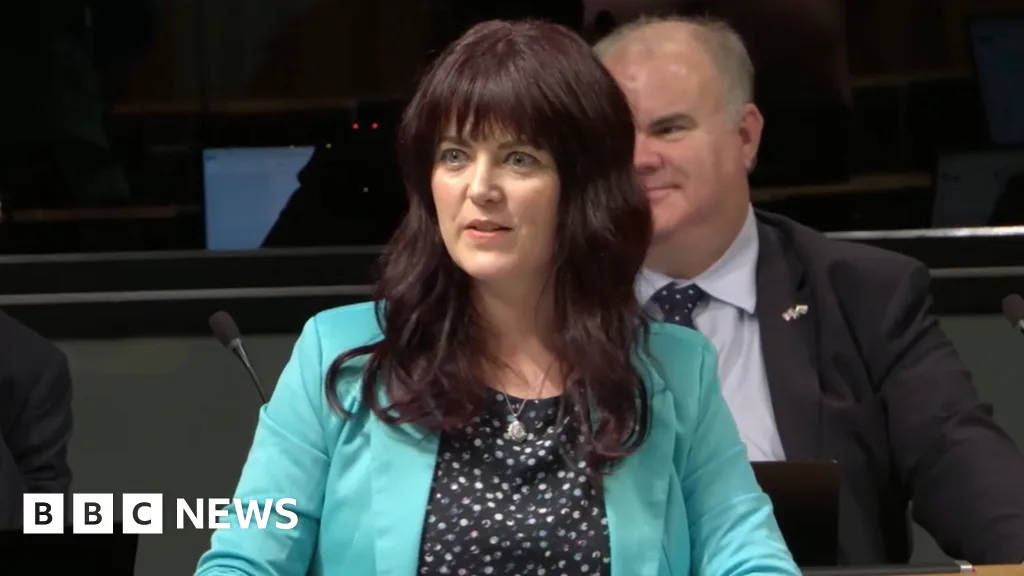
Wales Green Party leader Anthony Slaughter called the decision a "positive step" amid a "period of transformation" for the party. He stressed that decentralized decision-making has been a core value of the party. "With two new members in the Senedd and rapidly growing membership, this is the right moment to design a more independent future for the Wales Green Party," he said. Slaughter himself will end his term this year, and his position will be contested by Ian Chandler and Debra Cooper in a ballot closing in December.
Support also came from Ian Chandler, a Green cabinet member on Monmouthshire council. According to him, a more independent party will focus more on issues specific to Wales and accelerate the growth of the movement and its electoral strength. "We believe in a more independent party that can focus more on Welsh issues. This will help us grow further as a movement in Wales and as an electoral force," Chandler said.
Nevertheless, a spokesperson for the England and Wales Green Party stressed that there will be no change in the short term. The process toward independence in 2035 is still long and will go through various stages, including a final members' vote. "This is a decision for Wales Green Party members and has been part of the conversation for years. We are a party that believes in decentralized decision-making," the spokesperson said. The statement confirms that the split will not happen suddenly, but through a measured transition.
The Wales Green Party's move follows in the footsteps of the Scottish Green Party, which separated earlier in 1990. If realized, the Wales Green Party will become an independent political force capable of articulating Wales's distinct environmental and social interests, without being bound to the Westminster agenda. However, challenges remain: the new party must build a solid structure, funding, and mass base over the next eleven years.
For Indonesia, this dynamic can serve as a mirror of how political parties in a country with a decentralized system face demands for regional autonomy. Although the context differs, the spirit of being closer to voters and local issues is a universal lesson. Will the Wales Green Party truly become independent in 2035, or will it face internal obstacles that change course? What is clear is that Wales's political map is shifting, and the green voice is growing louder in demanding control over its own future.