Reform UK Ends Welsh Parliament Boycott, Files Motion to Remove Presiding Officer
Baca dalam 60 detik
- Partai Reform UK kembali mengikuti rapat pleno Senedd setelah dua pekan absen akibat sanksi kepada salah satu anggotanya.
- Reform menuntut pemungutan suara untuk mencopot Huw Irranca-Davies dari kursi Llywydd, menuduhnya bernegosiasi tidak dengan itikad baik.
- Peluang mosi itu lolos tipis karena tidak ada dukungan dari partai lain, sementara parlemen Wales menegaskan posisi ketua sidang tak berubah.
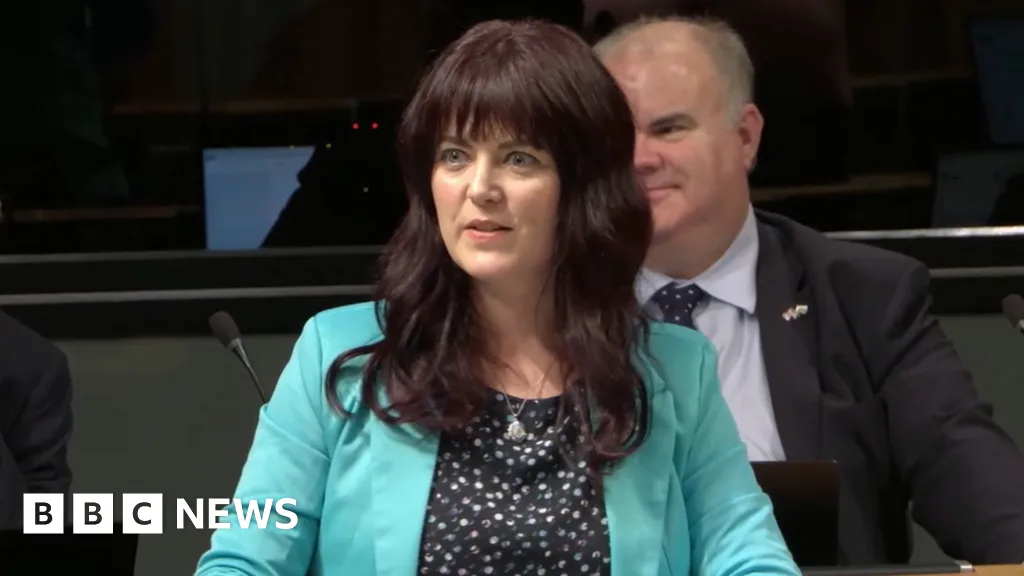
Reform UK has ended its boycott of the Welsh Parliament (Senedd) and immediately launched a political maneuver: demanding a vote to remove Huw Irranca-Davies from his post as Presiding Officer, or Llywydd. The move marks an escalation of the conflict between Wales's largest opposition party and the parliament's leadership after two weeks in which Reform members were absent from plenary meetings.
The boycott began on 11 November when Irranca-Davies ruled that a statement by Joe Martin—a Reform member of the Senedd—on immigration breached the chamber's rules. Martin said white people were being "replaced", which Irranca-Davies judged to be "provocative and deliberately offensive". As a consequence, Martin was barred from speaking in the debating chamber until he apologized. Reform responded by emptying their seats at every plenary session and ministerial question session, citing the defense of free speech.
On Tuesday afternoon, without any official announcement, Reform's members of the Senedd suddenly entered the debating chamber ahead of First Minister's Questions. Martin was not among them. Reform Wales leader Helen Jenner opened her intervention with a defiant tone: "Did you miss us?" She added that without their presence, the parliament felt "a little boring". Wales's First Minister, Rhun ap Iorwerth, responded with a gentle jab, "Good of him to turn up today," and then accused the party of "throwing their toys out of the pram"—a figure of speech for childish behavior.
In a statement sent to journalists shortly after Reform members returned to the chamber, Jenner accused the Llywydd of not negotiating in good faith. "We thought we would reach a sensible resolution" that would allow Martin to return without apologizing, she said. However, she claimed that on the morning of the decision the Llywydd changed his position at the last minute. Furthermore, Jenner accused Irranca-Davies of admitting that his decision was influenced by the "feelings of outside organizations". She demanded transparency about which organizations were meant and what this implied for Welsh democracy. "We had no choice but to escalate," she said.
The Senedd authorities strongly denied Reform's allegations as "completely inaccurate". According to a source close to Irranca-Davies, the Llywydd's position has been consistent from the start: Martin must apologize. A spokesperson for the Llywydd stated that the meeting with Jenner was held "entirely in good faith" and expressed hope that private discussions could continue constructively. "It is very regrettable that they have chosen this path," the spokesperson said. They added that Irranca-Davies respects the democratic process and would not object if members of parliament decided whether he still deserved their confidence.
Nevertheless, the chances of the removal motion passing are very slim. There is no indication that other parties will support it, given that Reform has only one vote among Senedd members. Other parties are likely to retain the Llywydd to preserve parliamentary stability. The conflict also highlights the tension between free speech and parliamentary rules that prohibit provocative speech. In Indonesia, similar cases often arise when council members make sensitive statements that lead to ethics sanctions, but the mechanism for removing a council leader usually involves a longer process and a code of conduct court.
Going forward, Reform appears set to keep using this issue as a tool for political mobilization, while the Senedd must balance enforcing the rules with maintaining a healthy climate for debate. Will the upcoming vote become a precedent for relations between the opposition and parliamentary leadership in Wales? The public will be watching to see whether Reform's maneuver strengthens its position or instead isolates the party in the eyes of voters.