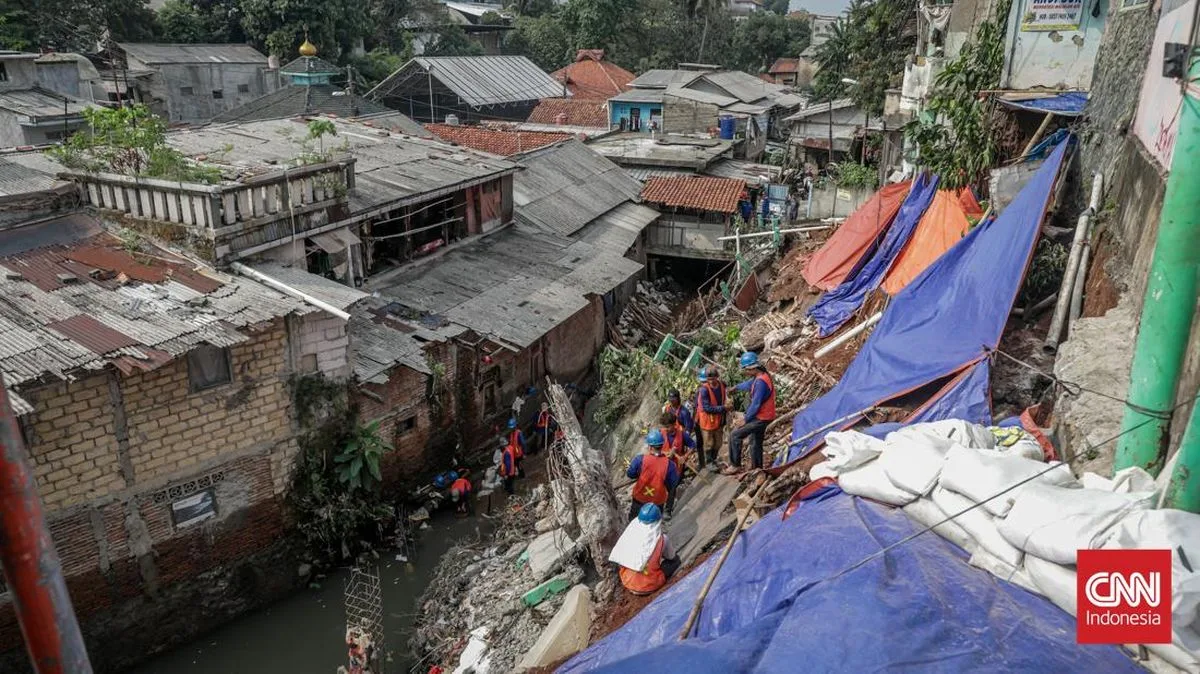
Floods in North Padang Lawas and Sambas: Hundreds of Families Affected, BNPB Urges Hydrometeorological Vigilance
Baca dalam 60 detik
- Banjir melanda Kabupaten Padang Lawas Utara, Sumatera Utara, dan Kabupaten Sambas, Kalimantan Barat, sejak pekan lalu, merendam ratusan rumah dan memaksa warga bertahan.
- BNPB mencatat sekitar 800 KK terdampak di Paluta dan 281 KK di Sambas, dengan ketinggian air di Sambas masih naik hingga 100 cm.
- Badan penanggulangan bencana mengingatkan risiko bencana hidrometeorologi yang lebih luas seiring curah hujan tinggi dan angin kencang.
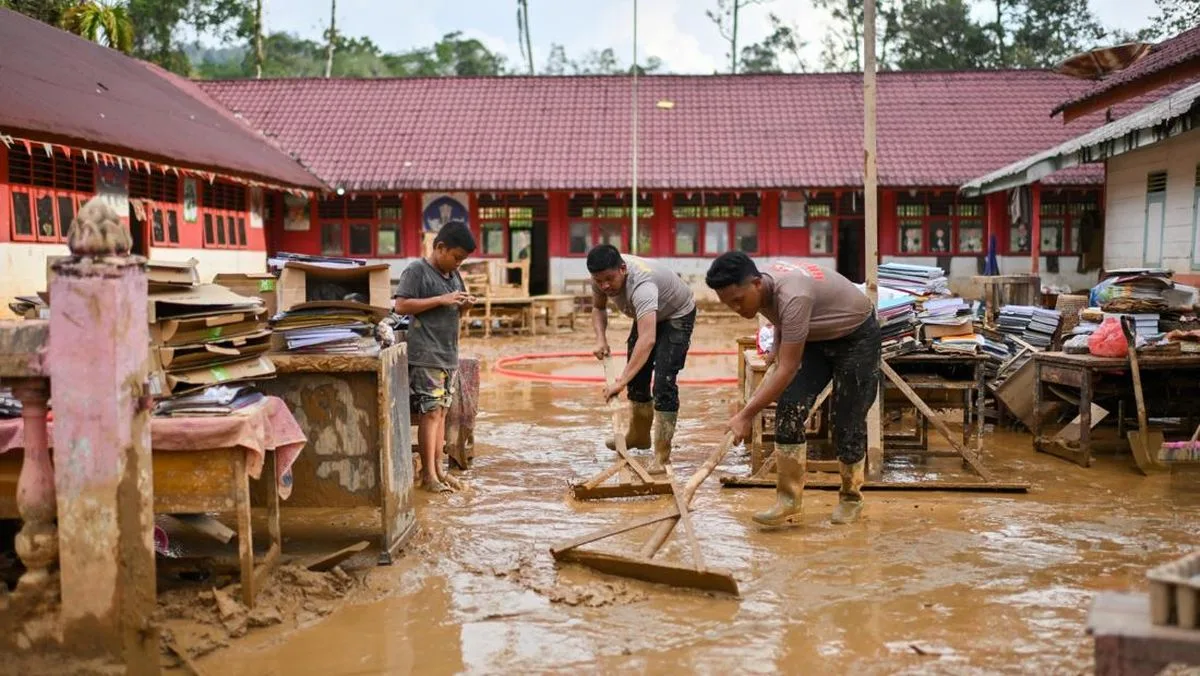
Hydrometeorological disasters have once again struck several regions in Indonesia. Floods triggered by high-intensity rain have hit North Padang Lawas Regency (Paluta), North Sumatra, and Sambas Regency, West Kalimantan, since last weekend. Hundreds of families in the two areas have been forced to endure amid floodwaters that have not fully receded.
According to the Acting Head of BNPB's Center for Disaster Data, Information, and Communication, Berton SP Panjaitan, the flood in Paluta began on Friday (20/11) at around 07.00 WIB. At least seven districts and 10 villages were inundated, with the number of affected families reaching 800 households. "Around 800 houses, one educational facility, and eight road sections were also affected," Berton said on Sunday (22/11).
Nevertheless, conditions in Paluta are gradually improving. The flood was reported to have begun receding on Saturday (21/11). Local BPBD personnel remain on standby to monitor developments, especially should rain fall again.
Unlike Paluta, the flood in Sambas Regency has shown no signs of subsiding. The disaster, which began on Wednesday (18/11) at around 19.00 WIB, inundated five districts and eight villages. A total of 281 households were affected, with 281 houses and one bridge damaged. "Water levels range from 15 to 100 cm and are still rising," Berton said.
BNPB underscored that both events are part of the hydrometeorological disaster threat that often increases during periods of heavy rain and strong winds. The public is urged to ensure drainage channels are not clogged and to monitor weather forecasts and early warnings from the relevant agencies.
Nationally, these events reveal a recurring pattern of vulnerability: extreme rain over a short duration often causes extensive inundation, especially in areas with limited drainage capacity. The losses are not only material but also disrupt residents' economic activities and access to basic services.
Local governments and BNPB are expected not only to focus on emergency response but also to strengthen long-term mitigation, such as river normalization, drainage improvements, and spatial planning that takes flood risk into account. Without structural measures, similar events could recur every rainy season.
Looking ahead, the question is how prepared the regions are for the peak of the rainy season, which is predicted to continue. Are early warnings and cross-sector coordination fast enough to reduce the number of affected families?