HomePod Mini 2 Launches, but the Rp2.4 Million Price Tag Draws Scrutiny
Baca dalam 60 detik
- Apple resmi melepas HomePod mini 2 pada Oktober 2026 dengan banderol $150, naik $50 dari harga awal generasi pertama.
- Ulasan media teknologi menilai kenaikan harga tidak sebanding dengan peningkatan fitur yang minim dan absennya Siri AI.
- Konsumen disarankan mempertimbangkan ulang pembelian karena speaker generasi pertama masih lebih masuk akal secara nilai.
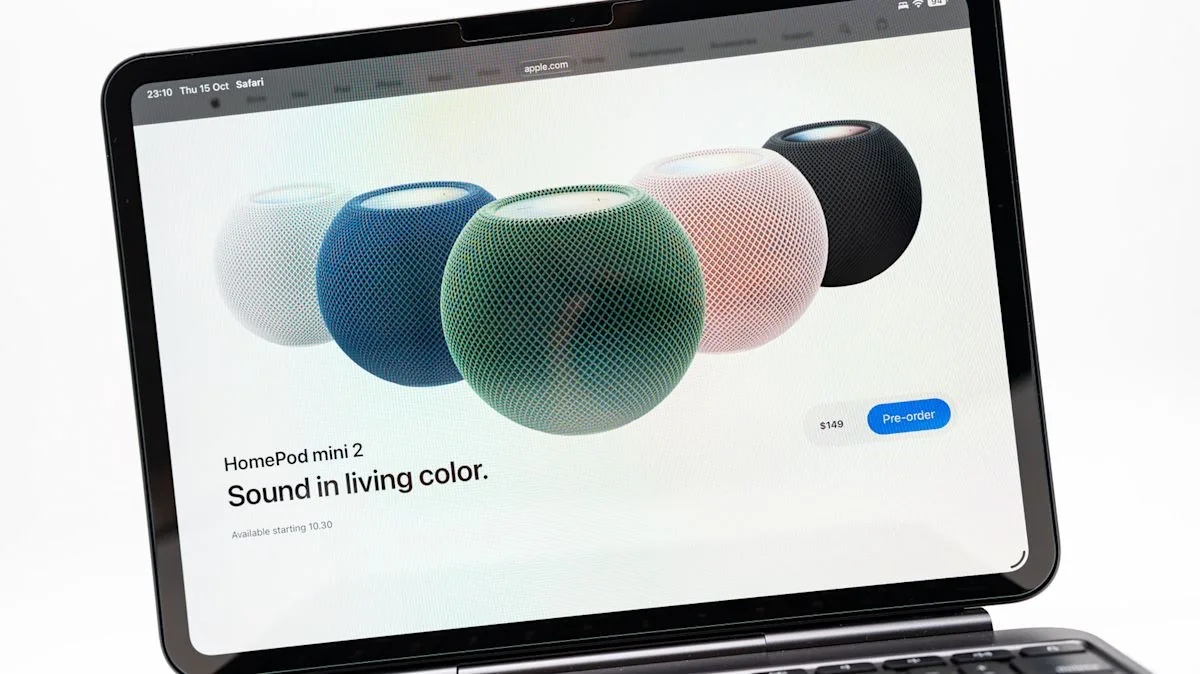
Apple officially brought the HomePod mini 2 to retail chains and online stores in October 2026 at a retail price of $150, or around Rp2.4 million (assuming an exchange rate of Rp16,000). That figure marks a $50 jump from the first-generation HomePod mini's initial price of $99 before it was eventually adjusted to $130. The sharp increase immediately drew criticism as being disproportionate to the updates it brings.
Several tech reviews noted that the HomePod mini 2 does offer improvements, such as a more capable smart home hub and sound quality claimed to fill a room despite its tiny size. However, according to TechRadar, those improvements are not enough to justify the $150 price. Engadget even gave it a score of 7.2 out of 10, citing the lack of significant upgrades, occasionally inconsistent speaker output, and the absence of Siri AI—the virtual assistant users have long awaited.
Disappointment also surfaced on discussion forums such as Reddit. One user said the first-generation HomePod remains the best value for money, especially as a Bluetooth speaker. "I can ignore the Siri side, but for price versus performance, the first generation is a must-buy," the user said, as quoted from the discussion. Similar complaints emerged because the HomePod mini 2 is seen as offering only cosmetic updates without any meaningful breakthrough.
In an industry context, Apple's move to raise the price of an entry-level product runs counter to the global smart speaker market trend, which tends to push prices down to attract consumers. Google and Amazon, for instance, aggressively price their smart devices lower, often with discounts. Apple appears to want to preserve its premium margin, but this strategy risks eroding market share in a price-sensitive segment.
For Indonesian consumers, the HomePod mini 2 may not necessarily arrive officially. However, if it does come later, the selling price will likely be higher than a direct conversion due to taxes and distribution. Users in Indonesia who want a smart speaker within the Apple ecosystem may need to consider the first generation, which is still sold on several marketplaces at a friendlier price, or switch to another brand offering similar features at a lower cost.
Apple has not signaled that it will lower the HomePod mini 2's price anytime soon. Without a change in strategy, this product could become a test of Apple fans' loyalty: will they keep buying for the ecosystem, or choose to hold off until there is an update that is truly worth it?