Jensen Huang Steps Down from Nvidia, Can the AI Chip Giant Survive Without Its Visionary?
Baca dalam 60 detik
- Jensen Huang mengakhiri 33 tahun kepemimpinan di Nvidia setelah skandal pribadi memicu kekhawatiran keamanan nasional AS.
- Kepergiannya menimbulkan tanda tanya besar atas arah industri AI global yang selama ini bergantung pada keputusan alokasi GPU Nvidia.
- Pasar menanti laporan keuangan Nvidia pekan depan sebagai ujian pertama stabilitas perusahaan di tengah gejolak kepemimpinan.
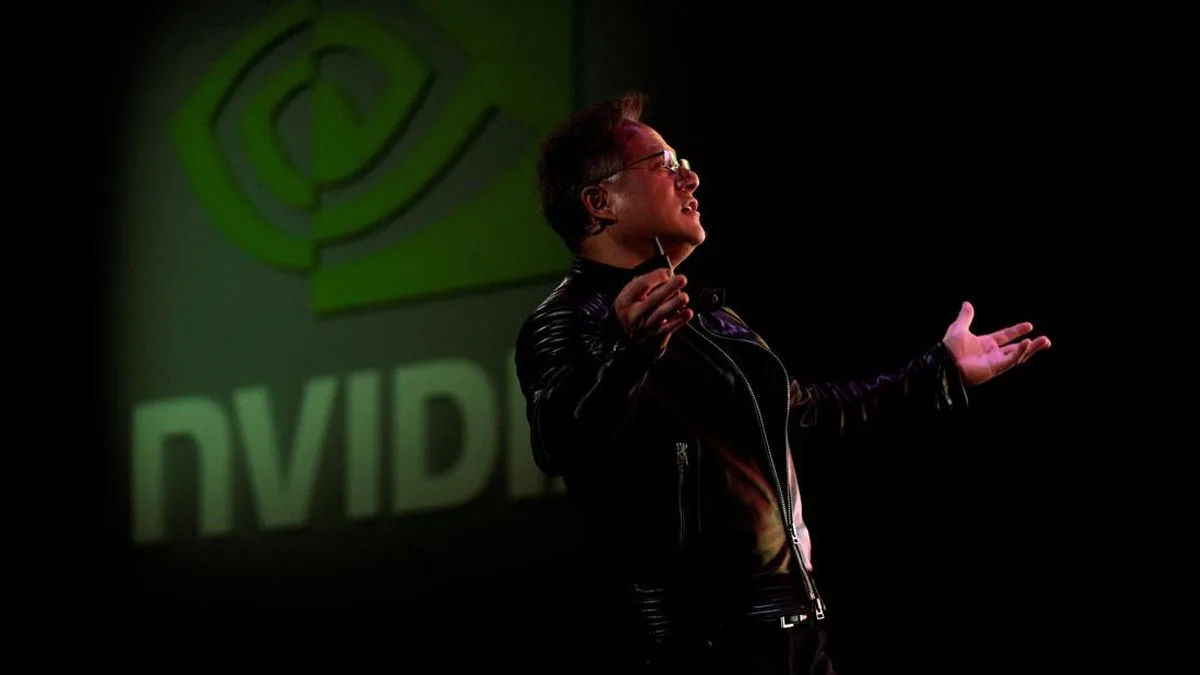
Jensen Huang has officially stepped down as CEO of Nvidia after more than three decades leading the company that became the backbone of the artificial intelligence revolution. The resignation of the 63-year-old is not merely a leadership change at a technology company, but a critical juncture for the future of the global AI industry, which has so far depended on Nvidia's decisions on allocating graphics processing units (GPUs).
News of Huang's departure surfaced after the disclosure of his personal relationship with Alice Huang, a woman alleged to have ties to Chinese intelligence, as well as with a subordinate at Nvidia. The United States (US) government judged that the potential leak of confidential information about chips could endanger national security. That concern is not unfounded: Alice Huang is known to have a business relationship with Megaspeed International, a Singapore-based cloud computing company that is an Nvidia customer and is under investigation for allegedly facilitating the shipment of billions of dollars' worth of chips to China.
For many, Huang is more than just a CEO. He is the chief architect who determines how, when, and where Nvidia GPUs are allocated. Giants such as Amazon, Google, Meta, Microsoft, SpaceX, Anthropic, and OpenAI rely on Nvidia technology for their AI infrastructure and cloud services. In recent years, Nvidia has also aggressively invested in startups developing AI applications, expanding an ecosystem that makes its position increasingly hard to replace.
Chris Miglino, CEO of Axe Compute, underscored the scale of Huang's contribution. According to him, without Huang's leadership, the AI chip industry could be years behind where it is now. "He created the product that started this industry," Miglino said, as quoted by CNBC. The statement confirms that Huang's departure is not merely an internal Nvidia matter, but affects the entire global technology supply chain.
On the other hand, the US government is tightening export controls on Nvidia chips, especially to China, which is the main technological competitor. Huang himself is known to want to expand Nvidia's market beyond the United States, an ambition that clashes with the national security interests of the US. This tension places Nvidia at the intersection of business expansion and geopolitical pressure.
"What worries me in the end is that we don't know what Alice knows about Huang that could be exploited. Huang is a man who is currently highly vulnerable to blackmail and threats. From a national security standpoint, we cannot take that risk," said US Senate Banking Committee member Kevin Cramer, a day before Huang's resignation.
Industry observer and former Cisco CEO John Chambers sees this crisis as a test for the Nvidia organization. According to him, how the company handles the crisis will determine whether Nvidia can endure as a great company with solid team leadership, rather than depending on a single person. This view implies that the leadership transition could be a momentum to strengthen corporate governance.
For Indonesia, the turmoil at Nvidia deserves attention. A number of domestic technology companies and government institutions have begun adopting AI for public services, data analysis, and smart city development. Dependence on Nvidia chips makes GPU prices and availability on the global market an important factor. If uncertainty over Nvidia's leadership continues, AI infrastructure costs in developing countries could rise, while access to the latest technology could slow.
Nvidia is scheduled to report its latest quarterly performance next Tuesday (17/11). The report will be the company's first test under new leadership. The projected 92% revenue growth to US$109.2 billion is impressive, but the market will judge whether that figure is enough to reassure investors amid internal turmoil. The big question: can Nvidia maintain its dominance without its visionary, or will this mark the beginning of a shift in the global AI industry's balance of power?