
COP31 Opens with 'Let's Cop' Song, but Climate Substance Still at Zero Points
Baca dalam 60 detik
- KTT iklim PBB di Antalya, Turki, menghadirkan lagu tema 'Let's Cop' yang diklaim buatan musisi profesional dengan bantuan AI, namun minim terobosan substantif.
- Tuan rumah Turki dan Australia justru tercatat sebagai konsumen bahan bakar fosil besar yang produksinya terus meningkat, sementara pendanaan iklim untuk negara rentan masih mandek.
- Tanpa percepatan dekarbonisasi dan komitmen pendanaan yang jelas, ajang COP31 berisiko hanya menjadi panggung seremonial tanpa dampak nyata bagi negara berkembang.
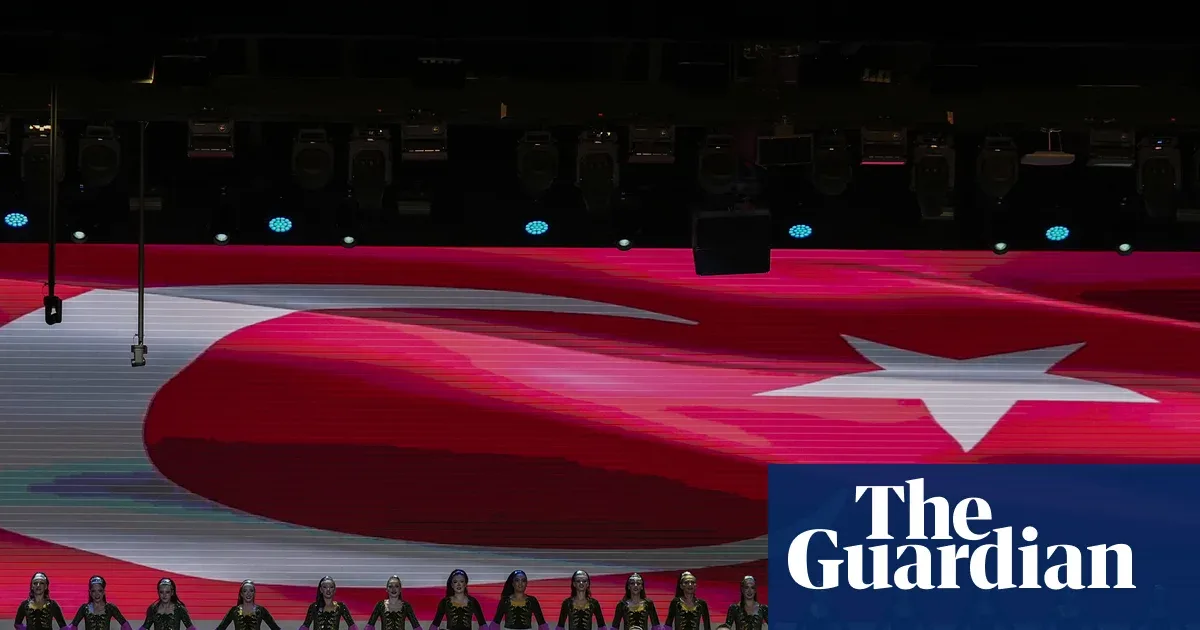
The UN climate summit, COP31, in Antalya, Turkey, officially opened with a different feel: a pop song titled Let's Cop was played for world leaders and delegates. The song, whose lyrics call for 'cooling down' the planet, offered a refreshing opener amid the often tedious reputation of climate conferences. But behind the stage spectacle, fundamental questions about climate action are coming to the fore.
The song was played after a series of traditional Turkish dance performances and theatrical acts involving costumes made from plastic waste. The hosts confirmed that the melody and lyrics were written by professional musicians, while artificial intelligence (AI) tools were used in the composition and production process. The clarification came after speculation circulated over whether the song was entirely AI-generated. Regardless of its origins, Let's Cop managed to draw attention—something rare in climate negotiation forums usually filled with technical jargon.
Unfortunately, the euphoria was not followed by substantial progress. By the first week, COP31 had yet to show a clear direction on two main priorities: ending the fossil fuel era and meeting the funding needs of the countries most vulnerable to climate disasters. In fact, the co-hosts of COP31—Turkey and Australia—are significant fossil energy consumers and are actually increasing polluting production activity while the conference is underway. This situation raises doubts about the seriousness of developed countries in leading the energy transition.
The absence of several heads of state underscores the low political enthusiasm for the climate agenda. Donald Trump, who previously made controversial statements about solar panels and wind turbines, chose to stay away. French President Emmanuel Macron and German Chancellor Friedrich Merz were also absent, with Merz reportedly preferring to attend an AI conference in Ireland. The situation is compounded by the sparse presence of leaders from the largest emitting countries, so the negotiations risk proceeding without sufficient political weight.
On the other hand, developing countries are in a difficult position. They face double pressure: the increasingly real impacts of climate change and funding promises that have yet to materialize. The UN Secretary-General has called on Turkey and Australia to turn fossil fuel commitments into real action, while the US special envoy for climate, John Kerry, urged other countries to follow China's lead in developing green energy. But those calls have yet to translate into binding agreements.
For Indonesia, the dynamics of COP31 have direct implications. As an archipelagic country vulnerable to sea-level rise and extreme weather, Indonesia has an interest in global climate funding flowing soon, including through the loss and damage scheme that remains difficult to negotiate. Indonesia's position as one of the largest emitters also demands consistency in domestic energy transition policy, especially after the early retirement commitment for coal-fired power plants, which still faces various structural obstacles. Without strong diplomatic pressure in multilateral forums, developing countries like Indonesia will continue to depend on voluntary commitments from developed countries that are often unmet.
"This song may be entertaining, but without real action, it will only be an empty echo," said an activist present in Antalya, describing disappointment with the course of the negotiations.
Until the closing next Friday, there is still room for participating countries to change the direction of the talks. But if the same pattern continues—lavish ceremony without policy breakthroughs—COP31 risks being remembered as a conference that failed to translate the spirit of its opening song into concrete action. The question now: will world leaders merely dance to the rhythm, or dare to change the tune of their climate policy?


