SpaceX Attempts Midair Starship Catch, a High-Stakes Bet on a Truly Reusable Rocket
Baca dalam 60 detik
- SpaceX akan mencoba untuk pertama kalinya mengembalikan bagian atas Starship ke landasan dan menangkapnya dengan menara peluncuran.
- Keberhasilan misi ini dapat memangkas biaya peluncuran secara drastis, tetapi juga menghadirkan risiko teknis dan keselamatan yang belum pernah diuji.
- Jika sukses, SpaceX berpeluang mewujudkan roket yang sepenuhnya dapat digunakan ulang dalam dua hingga tiga tahun ke depan.
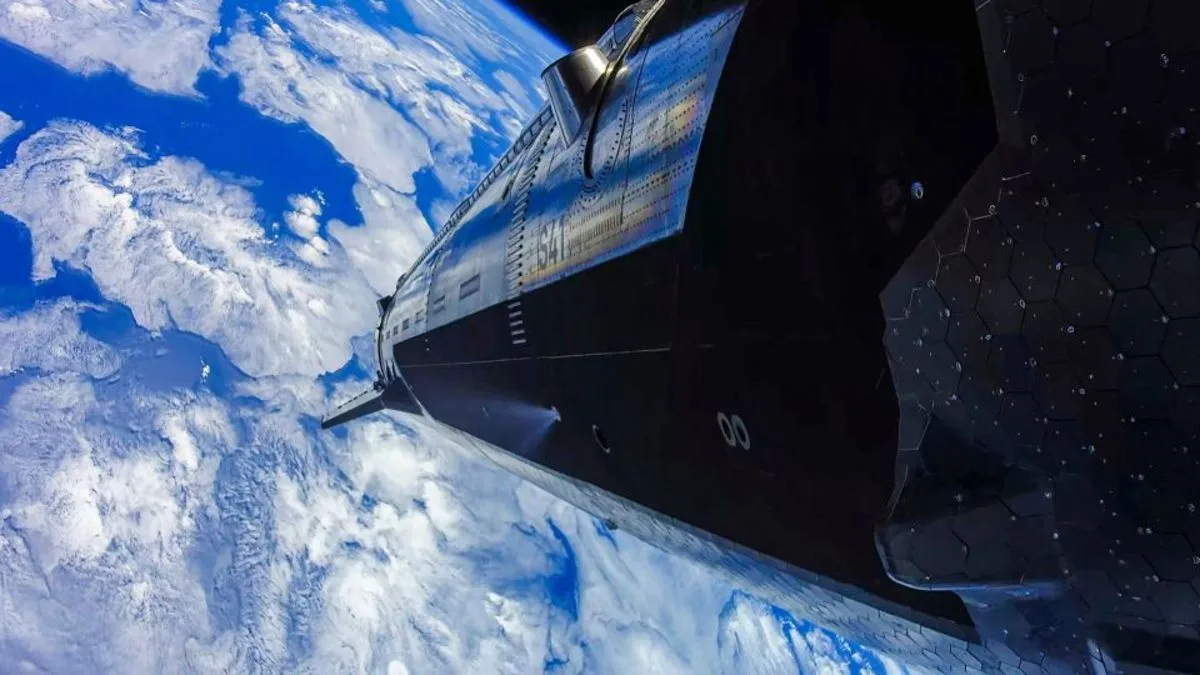
SpaceX is poised to make history in spaceflight. On Friday (local time), Elon Musk's company will for the first time attempt to return the entire Starship rocket—including the 171-foot spacecraft—intact to land and catch it with the launch tower arms at Starbase, Texas. The move is a crucial test of SpaceX's ambition to realize a fully reusable launch system, which the company calls the rocket's "holy grail" because it could eliminate the need to discard components worth millions of dollars after a single use.
So far, SpaceX has proven its ability to reuse first-stage boosters with its Falcon rockets, saving significant costs. But returning the rocket's upper stage—which travels at orbital speeds of up to 27,000 km/h—is far more complicated. The Starship upper stage must maneuver back from orbit, re-enter the atmosphere at extreme temperatures above 2,000 degrees Fahrenheit, and then land precisely between the arms of the Mechazilla tower. This parachute-free "bellyflop" maneuver has never been demonstrated before.
If successful, the mission would not only be a technological milestone but also pave the way for SpaceX's ambitious projects: helping NASA establish a permanent presence on the Moon, expanding the Starlink internet network, launching orbital data centers, and Musk's long-term vision of colonizing Mars. However, the risk of failure remains high. SpaceX has a track record of problems with the reliability of its Raptor engines, which have several times shut down unexpectedly or failed to relight. On the previous test flight (Flight 14) in September, one engine shut down prematurely, and the decision to continue to orbit raised questions, though the FAA said it met flight criteria.
Still, SpaceX is optimistic. The company says that with consistent improvements from flight to flight, the team has shown that Starship can re-enter the atmosphere safely and reliably. If Friday's mission goes smoothly, SpaceX will face a tense moment on Saturday afternoon when the spacecraft must pass over populated areas above northern Mexico and southern Texas—a risk experts acknowledge. "If this weekend gives a positive result, I expect they could achieve a fully reusable rocket within two or three years," said Joseph Gonzalez, a professor of aerospace engineering at the University of Illinois.
For Indonesia, this development is more than a spectacle. The ability to launch payloads at far lower cost will open broader access for developing countries to place communications satellites, weather monitoring, and space research. If Starship truly succeeds, countries like Indonesia could take advantage of commercial launch services at more affordable prices, while accelerating the buildout of satellite-based digital infrastructure in remote areas. However, Indonesia also needs to anticipate the fallout of space debris and increasingly complex spaceflight regulations.
The question now: can SpaceX prove that this giant rocket can return safely, or will it add to the list of "anomalies" slowing Musk's vision? The world will be watching to see whether the rocket's "holy grail" truly materializes, or remains a long, risky dream.