Prabowo at NasDem Anniversary: Power Tempts, Betrayal Lurks
Baca dalam 60 detik
- Presiden Prabowo Subianto menyoroti maraknya pengkhianatan dalam sejarah peradaban manusia, dipicu oleh godaan kekuasaan.
- Dalam pidato di HUT ke-15 Partai NasDem, ia mengaku prihatin melihat pihak-pihak yang menghina bangsa sendiri.
- Pernyataan ini muncul di tengah sorotan publik terhadap integritas elite politik dan potensi korupsi kekuasaan.

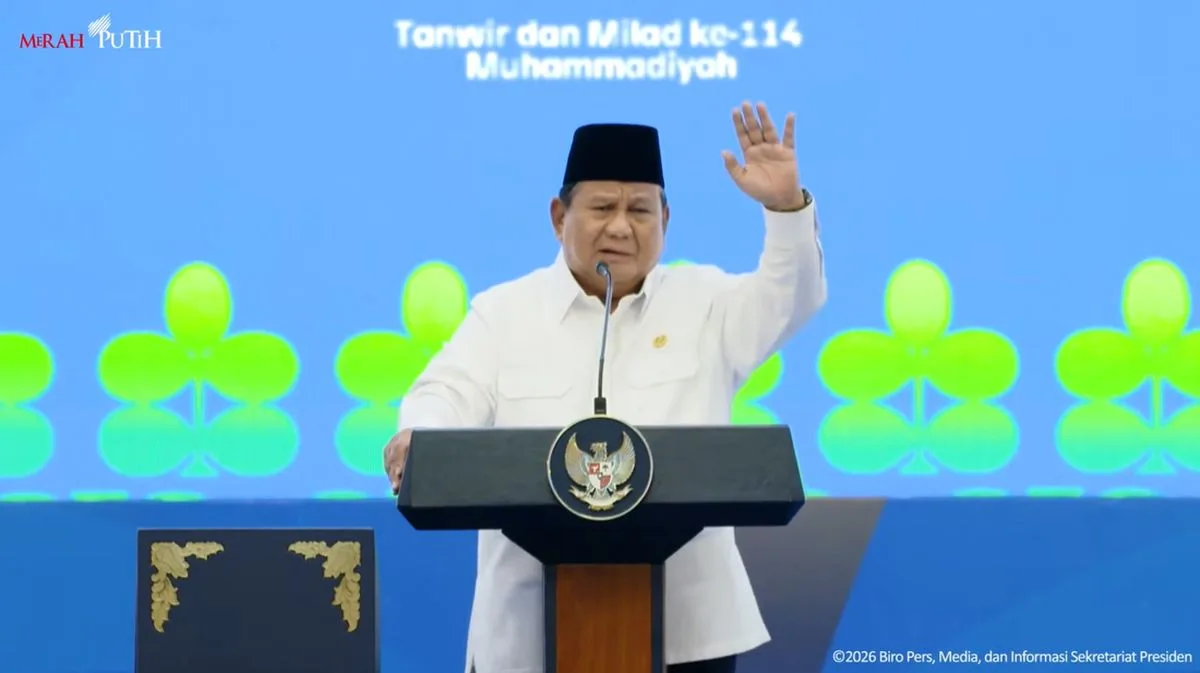
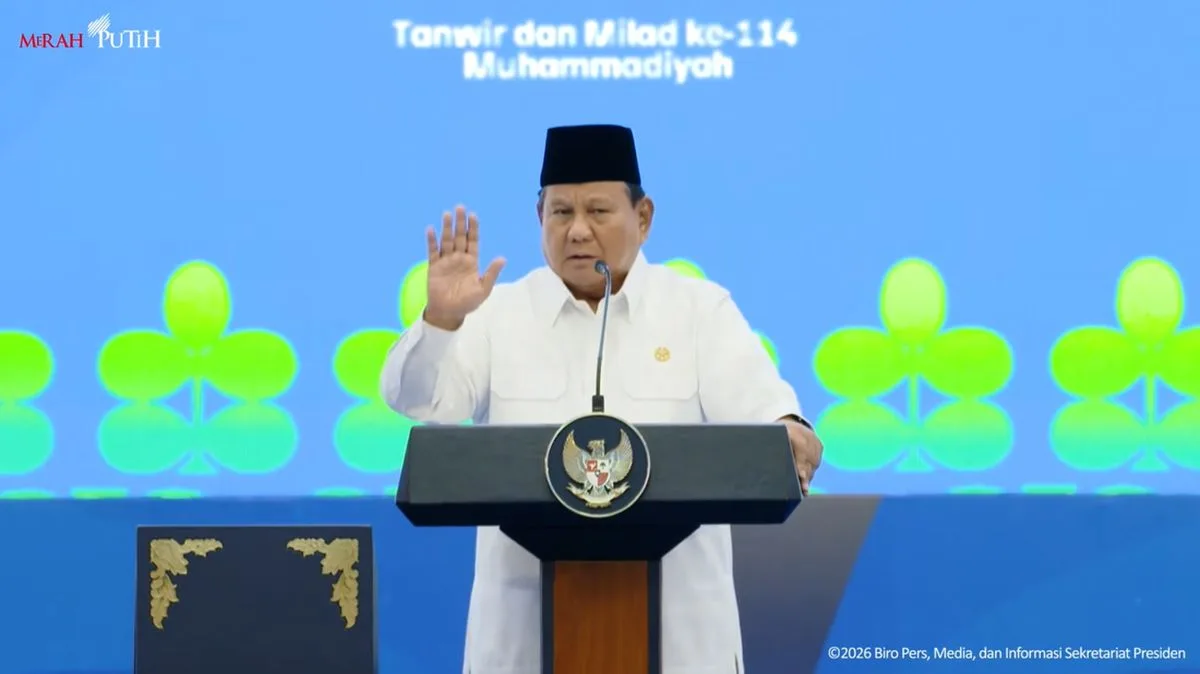
President Prabowo Subianto touched on the phenomenon of betrayal that often colors the journey of power. At the 15th anniversary celebration of Partai NasDem on Wednesday (11/11) evening, the head of state said that the history of human civilization has never been free of such practices. According to him, the temptation of power is the main trigger.
In his remarks, Prabowo first highlighted the attitude of several parties whom he deemed to belittle their own nation. He said he was saddened and puzzled by such behavior. "There are those among us who like to insult their own nation. I am sad, sometimes I shake my head myself," he said, as quoted from an official statement.
The statement was not without reason. Prabowo stressed that he had long been part of Indonesia's national dynamics, so he was not too surprised to face such a phenomenon. He then drew a link between betrayal and power. "The history of human civilization is full of betrayal. Because power is very tempting. Those in power are often tempted," he said.
Prabowo also touched on the correlation between power and corruption. He argued that the greater the authority a person holds, the greater the drive to abuse it. The statement seemed to serve as a reminder for state officials to remain wary of that temptation.
In the Indonesian context, Prabowo's speech comes amid rising public expectations for clean governance. In recent months, the issue of the integrity of political elites has resurfaced along with various cases that have drawn attention. The president's statement at the forum of a coalition political party can also be read as a signal of the importance of maintaining public trust.
Political observers assess that Prabowo's statement reflects concern over the existing political reality. However, the public is certainly waiting for concrete action, not mere rhetoric. After all, the temptation of power is faced not only by individuals but also by systems that allow abuse of authority to occur.
Going forward, this statement will be tested through policy and law enforcement. Is the government able to prove that power is not always synonymous with corruption? Or will it be the opposite, with betrayal of public trust continuing to occur? The public will judge by the consistency between words and deeds.