Eight DPR Factions Move in Unison Toward Right of Inquiry as Gibran's Diploma Heads to Constitutional Test
Baca dalam 60 detik
- Delapan fraksi DPR dikabarkan bulat mengarah ke penggunaan hak menyatakan pendapat (HMP) untuk merespons putusan MA yang membatalkan surat keterangan penyetaraan ijazah Gibran Rakabuming Raka.
- Langkah ini menandai pergeseran dari wacana angket ke instrumen konstitusional yang lebih langsung menyoroti syarat jabatan presiden dan wakil presiden.
- Pimpinan DPR berjanji memproses usulan tersebut secara resmi pada masa sidang, membuka jalan bagi babak baru ketegangan politik antara legislatif dan eksekutif.

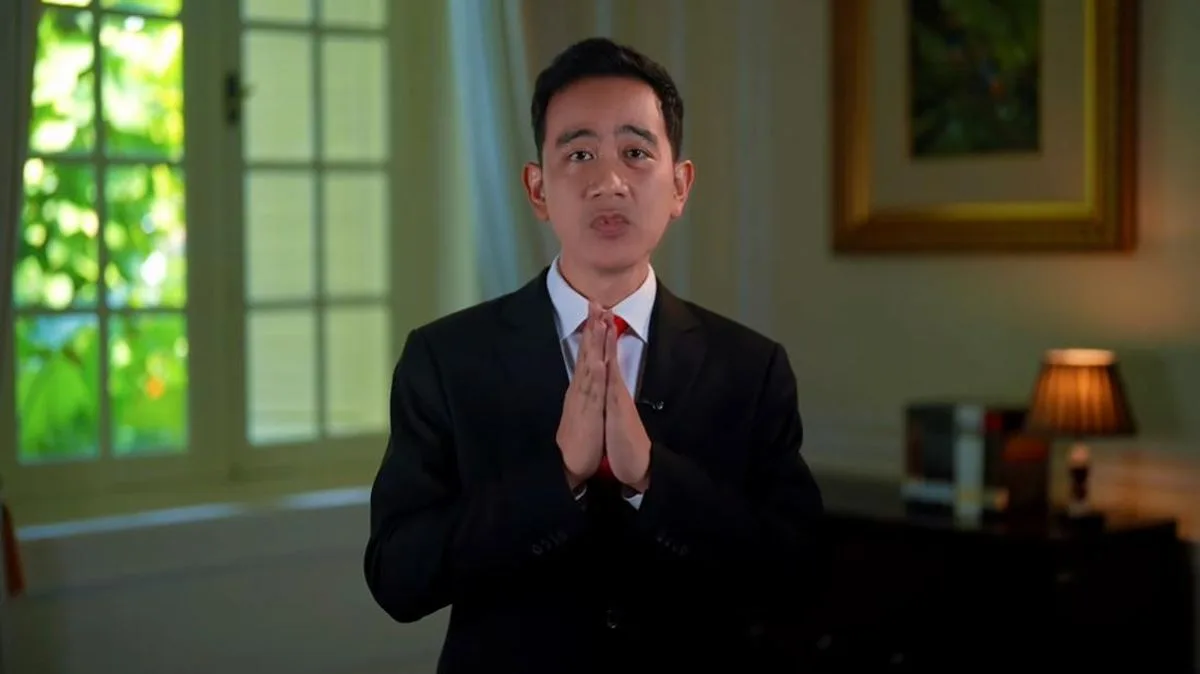
Eight factions in the House of Representatives (DPR) are said to have reached a consensus to pursue the right of inquiry (hak menyatakan pendapat, HMP) in response to the Supreme Court ruling that annulled the high school diploma equivalency certificate of Vice President Gibran Rakabuming Raka. The informal agreement surfaced ahead of the plenary session opening the sitting period on Tuesday (10/11), immediately placing the DPR on a path of constitutional confrontation with the palace.
Muhammad Khozin, a Commission II member from the PKB faction, said cross-faction discussions during the recess had narrowed to one option: HMP. According to him, the instrument is considered more appropriate than an inquiry or interpellation right because the issue at hand is not a government policy but an alleged failure to meet the requirements for serving as vice president. “Almost all parties in the informal discussions leaned toward the right of inquiry,” Khozin said at the parliamentary complex.
Legally, Article 210 paragraph (2) letter c of Law No 17 of 2014 on the MPR, DPR, DPD, and DPRD provides the basis for the DPR to use HMP if there is an allegation that the requirements for nominating a president or vice president were not met. However, Khozin highlighted the ambiguity in the wording of Article 7A paragraph (1) of the 1945 Constitution: whether this diploma case falls under the category of “never met the requirements” or “no longer meets the requirements while in office.” That difference in interpretation, he said, will determine the direction of deliberations in parliament.
Deputy Speaker Sufmi Dasco Ahmad confirmed that the proposal will be processed officially once the sitting period begins. He said he had received encouragement from various quarters, from civil society organizations to DPR members across factions, for the diploma controversy to be followed up. “We are waiting for the sitting period to respond to what is developing,” Dasco said on Monday (9/11).
For the DPR, using HMP is not without risk. The instrument is rarely used and always triggers high tension because it could lead to a recommendation for impeachment. Several observers assess that the move could test the stability of the government coalition, especially since parties supporting the government are also mentioned in the informal agreement. On the other hand, the Supreme Court ruling has placed this issue in the legal realm, leaving the DPR with a choice between respecting the judicial process or opening a new political front.
Civil society groups monitoring the case are demanding transparency. Muhammad Subhan Palal, the plaintiff who won the Supreme Court case, previously stressed that the court decision should serve as the basis for state officials to evaluate the integrity of the nomination requirements. Similar pressure has come from a number of election monitoring bodies, which argue that the diploma controversy is not merely an administrative matter but concerns the legitimacy of the 2024 democratic process.
With eight factions moving in the same direction, the DPR appears set to soon form a special committee or at least hold a joint meeting to formulate the HMP material. However, the big question remains: will this step stop at a statement of position, or escalate into a further political effort? The answer will depend on the dynamics during the sitting period and how much public pressure accompanies every parliamentary decision.