Ricciardo Explains Why He Stepped Away from the F1 Paddock: 'Ego and Pain'
Baca dalam 60 detik
- Daniel Ricciardo mengungkapkan bahwa ia belum siap kembali ke paddock F1 karena masih memproses luka emosional dan ego setelah kehilangan kursi balap pada 2024.
- Meski mengaku merindukan hubungan dengan para mekanik dan insinyur, ia khawatir kehadirannya tanpa tujuan jelas hanya akan memicu spekulasi media.
- Ricciardo menolak tawaran menjadi komentator televisi karena jadwal perjalanan yang melelahkan, dan memilih menjalani hidup yang lebih ringan di luar dunia balap.
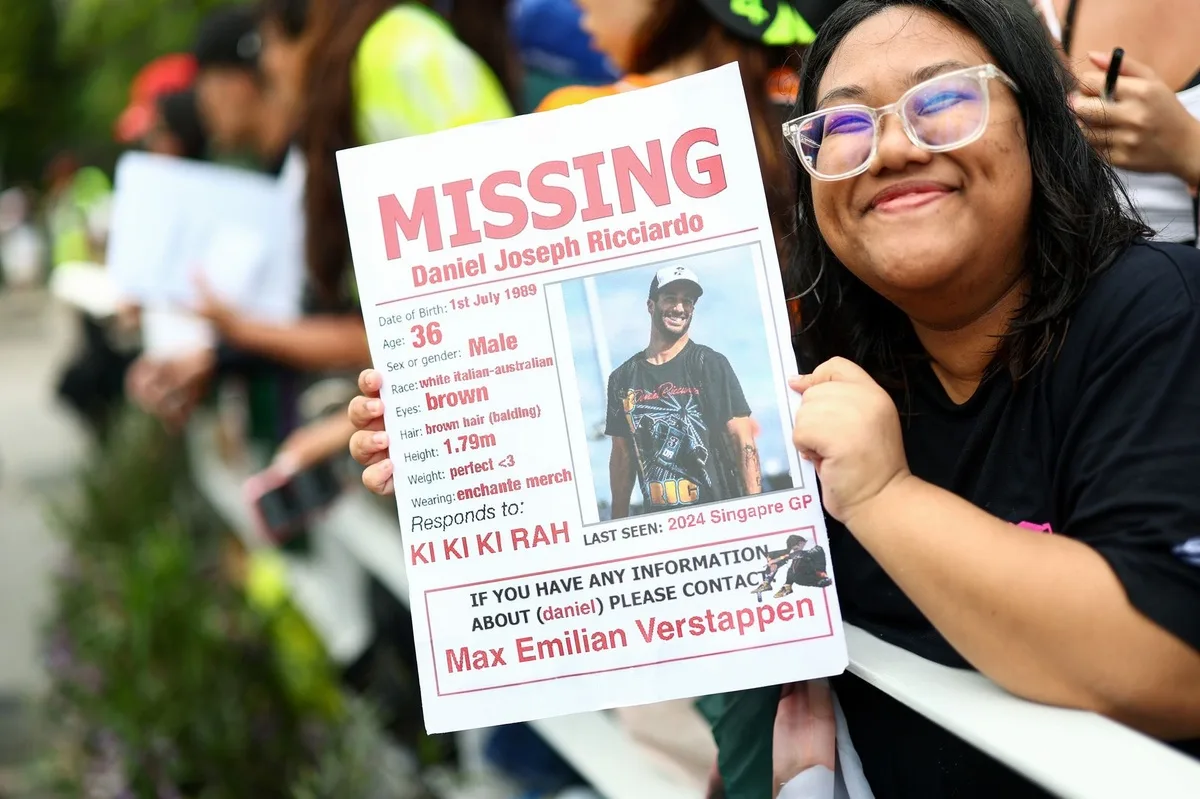
Daniel Ricciardo has finally spoken about his decision to stay away from the Formula 1 paddock since retiring at the end of the 2024 season. In an interview on the Beyond The Grid podcast, the Perth-born driver admitted he still cannot separate his longing for the racing atmosphere from the pain of his competitive career ending so abruptly.
Ricciardo lost his seat at RB after the 2024 Singapore Grand Prix, replaced by Liam Lawson. Since then, he has chosen to avoid the spotlight and spend more time at home. He remains involved in motorsport, however, as a global ambassador for Ford Racing. His decision not to appear in the paddock is not without reason. “If you asked me a year ago, I would have said I would never want to be around that again. At that time I felt a lot of pain, and being there only added to it,” he said.
The 35-year-old driver acknowledged that his withdrawal was partly driven by a wounded ego. “I tried to understand my ego. There was a feeling like an ego death when everything collapses before your eyes. Then I thought, why am I so against it? That was also my ego talking, trying to protect myself,” he explained. He now feels wiser and appreciates much of what F1 gave him, including the relationships with drivers, engineers, and mechanics that remain intact.
Still, the intention to simply visit the paddock is held back by concern over the media reaction. “I want to come back, but if I come too soon, people will ask, ‘Daniel, is he coming back? What is he doing?’ I don’t want that kind of media burden. I just want to see friends, but I understand the reality of the paddock is not that simple,” he said. He is also reluctant for his presence, without a clear purpose, to be seen as merely seeking attention.
On the possibility of becoming a television commentator, Ricciardo said it would be hard due to the demanding travel schedule. “A lot of people say I would be good on TV. I like sharing experiences, but the idea of returning to that exhausting racing rhythm makes me reluctant,” he said. He admitted he enjoys watching races at home with his father, who actually feels he gains insight from his analysis. “My dad said someone should hear what you say when you watch a race,” he added.
Even so, Ricciardo has not closed the door entirely. He has spoken with several retired athletes from other sports who returned as managers or team owners. “One of them said it is no easier than when you were still competing, because the athlete’s problems remain your problems. You never really leave the job,” he said. He also feels that returning to a competitive environment with high emotional intensity is not the best choice for his personal happiness.
On the other hand, Ricciardo recognizes that 35 years of experience in racing should not simply be kept to himself. “Sometimes I think, would it be a waste if all this knowledge is locked in a box and never shared? But I haven’t jumped into anything because I want to make sure what I do is right,” he concluded. For now, he is enjoying a more relaxed life far from the bustle of the paddock, while remaining open to the possibility of returning one day in a suitable role.