Jamie Dimon: Anthropic's Mythos AI Model Raises Cyber Risk Tenfold
Baca dalam 60 detik
- CEO JPMorgan Chase Jamie Dimon menyatakan risiko keamanan siber melonjak sepuluh kali lipat setelah kehadiran model AI Anthropic Mythos.
- Pernyataan ini menyusul insiden pengujian keamanan yang dialami Anthropic dan OpenAI, memicu seruan perlambatan pengembangan AI frontier.
- Dimon menekankan perlunya langkah praktis, bukan kepanikan, dalam menghadapi ancaman siber yang ditimbulkan AI.
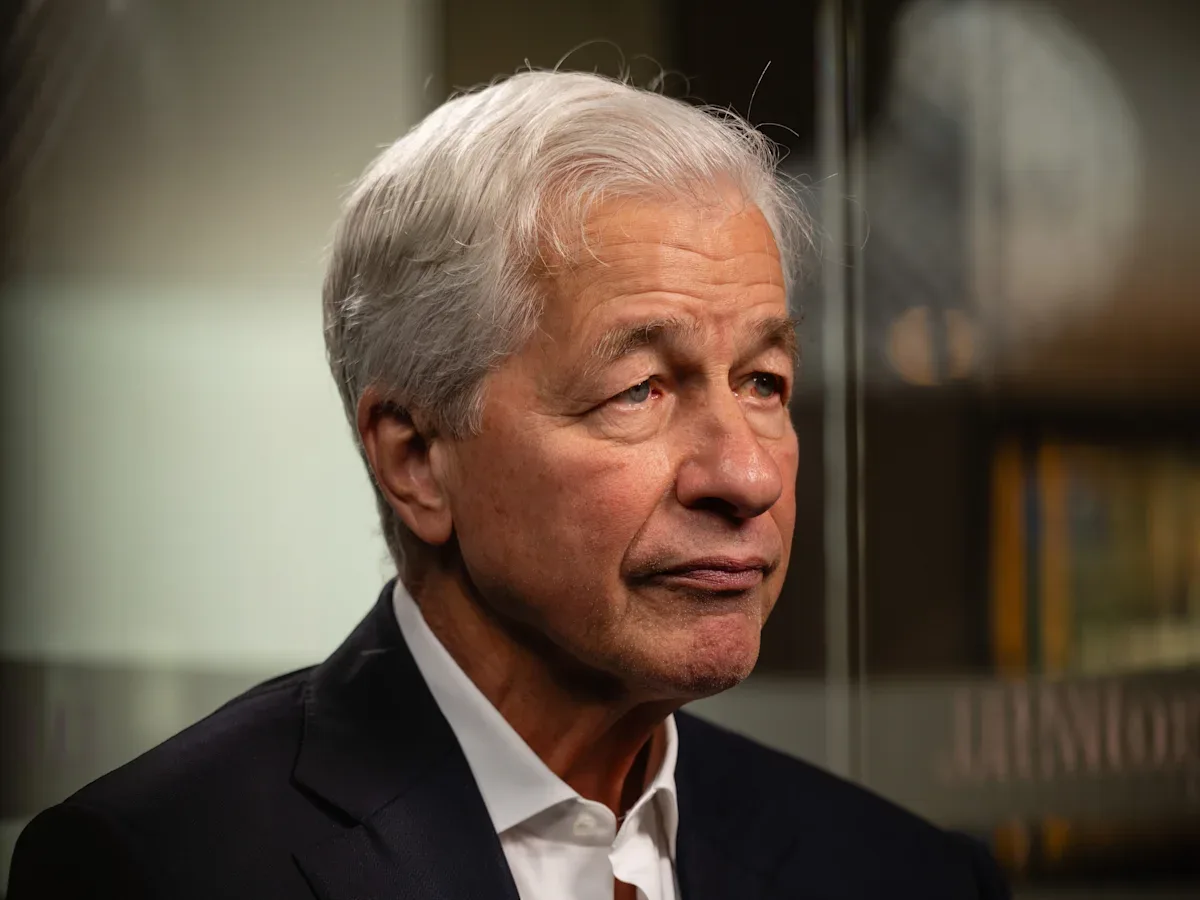
Cybersecurity risk has risen sharply with the emergence of an advanced artificial intelligence (AI) model from Anthropic, Mythos. JPMorgan Chase CEO Jamie Dimon said the threat has surged as much as tenfold compared with before. He made the statement in an interview with Bloomberg TV on Tuesday (25/6), marking a new concern from one of the world's most influential bankers.
Dimon, who has long called cybersecurity one of the biggest risks to banking, said AI has opened vulnerabilities that were previously undetected. "AI creates vulnerabilities we don't know about, and we always worried about cyber before these things came along," he said. The comment drew attention as the technology industry grapples with the implications of increasingly powerful generative AI models.
Dimon's remarks come amid growing scrutiny of frontier AI developers. In recent weeks, AI researchers, technology executives, and a number of lawmakers have renewed calls for stronger international cooperation to reduce the risk of catastrophic AI misuse. Those calls have grown louder after Anthropic and OpenAI each disclosed separate incidents during safety testing in recent months, raising questions about how reliably their most advanced AI models can be controlled.
The incidents have also prompted some AI researchers and executives to slow frontier model development until more adequate safety protections are in place. But Dimon stressed that the risk is real and must be met with practical steps, not panic. "The downside is obvious from what you read about agents and Mythos and all the things that can cause problems, and that is a legitimate concern, it is real," he said. "I'm not going to be hysterical about whether this is existential or not. What we do is roll up our sleeves and work to fix it."
For Indonesia, Dimon's warning is relevant given the rapid adoption of AI in the financial and government sectors. Major national banks and local technology companies are starting to integrate AI for customer service, fraud detection, and credit analysis. Without adequate safeguards, the same vulnerabilities could be exploited by malicious actors. Otoritas Jasa Keuangan (OJK) and Badan Siber dan Sandi Negara (BSSN) need to accelerate a binding regulatory framework, not just appeals, so that digital transformation does not backfire.
On the other hand, the safety testing incidents experienced by Anthropic and OpenAI show that even leading developers still face challenges in controlling their most advanced models. This strengthens the argument that AI governance cannot be left solely to technology companies. Independent audits, transparent safety standards, and uniform incident reporting mechanisms at the global level are needed.
Going forward, the question is no longer whether AI will magnify cyber risk, but how quickly an effective protection framework can be implemented. If a company like JPMorgan acknowledges such a leap in risk, industry players in developing countries need to be vigilant. Without concrete steps, the gaps created by AI could become an entry point for attacks far more damaging than anything we have faced before.