AMD's Old GPU Prices Are Rising, Are They Still Worth Buying in 2026?
Baca dalam 60 detik
- GPU AMD generasi RDNA 2 seperti RX 6800 XT dan RX 6900 XT kini dijual di atas harga peluncurannya akibat kelangkaan komponen global.
- Kartu grafis lawas berisiko kehilangan dukungan fitur baru seperti FSR 4 dan tidak dioptimalkan untuk game modern, sehingga nilai investasinya menurun.
- Pembeli di Indonesia disarankan mempertimbangkan GPU generasi terbaru atau kartu bekas dengan garansi resmi untuk menghindari kerugian jangka panjang.
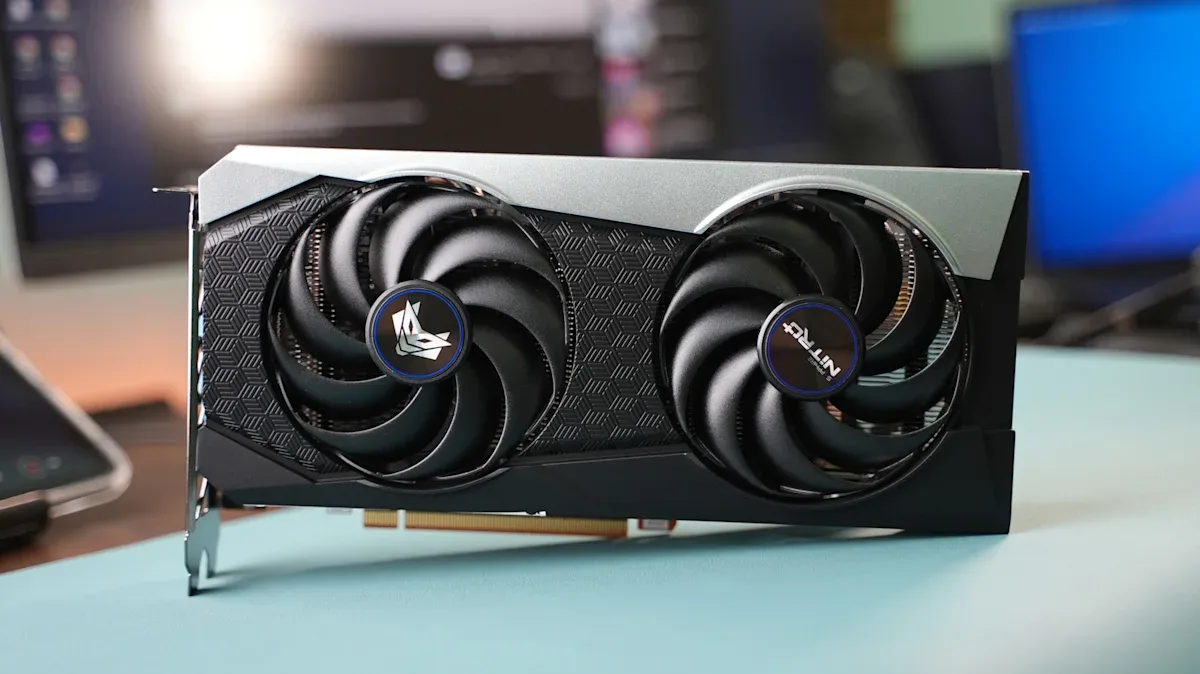
Global memory and RAM shortages have triggered a surge in PC component prices, including used graphics cards (GPUs). Amid these conditions, many consumers are starting to look at older-generation AMD GPUs such as the Radeon RX 6800 XT or RX 6900 XT, released around 2020. However, recent analysis shows that buying a half-decade-old GPU may actually be a losing proposition, mainly because prices are no longer competitive and support for current features has been dropped.
AMD released the RX 6800, RX 6800 XT, and RX 6900 XT in 2020 with the RDNA 2 architecture, which is also used in the PlayStation 5, Xbox Series S/X, and Steam Deck consoles. Although technically still capable of running games, the market prices of these cards have not fallen significantly. Data from the global market shows the RX 6800 XT now sells for around US$800, only 3% below its launch price. Meanwhile, the RX 6800 sits at around US$630 (down 12%), and the RX 6900 XT at around US$999 (down 17%). These figures are ironic given that newer-generation GPUs such as the RX 9070 XT with the RDNA 4 architecture are priced at around US$830, only a slight difference yet offering far more modern performance and features.
The secondary market does offer cheaper prices, but the risks are high. Used cards often have unknown usage histories, may suffer component degradation, and come without official warranties. In addition, the prevalence of online fraud means buyers must be extra careful. For consumers in Indonesia, buying a used GPU from abroad also means bearing import costs and taxes that can erode the savings.
On the features side, older GPUs lag far behind. AMD is gradually ending driver and new-feature support for older architectures. Technologies such as FSR 4 (FidelityFX Super Resolution) are unlikely to reach the RX 6000 series, or if they do, implementation will be significantly delayed. New graphically demanding games are also often not optimized for older-generation cards, so users will experience a significant performance drop, especially when enabling ray tracing or high resolutions.
A case in point is the RX 7600 (8GB VRAM), marketed for 1080p gaming. This card sells for around US$400, up 48% from its introductory price. Although still reliable for lighter games, its limited VRAM makes it stutter at higher resolutions with maximum textures. Meanwhile, the RX 7600 XT with 16GB VRAM and native 1440p support is priced at US$695, up more than 111% from its US$329 MSRP. That price is already approaching the far more powerful RX 9070 XT and on par with the Nvidia GeForce RTX 5070 Ti.
"Buying an old GPU is no longer a money-saving option. The price gap with the latest generation is too thin, while the risk of losing features and long-term performance is very large," said a PC component market analyst.
For the Indonesian market, this phenomenon is compounded by rupiah exchange rate fluctuations and import taxes. Used GPUs from abroad often lack official warranties domestically, so if damage occurs, repair costs can balloon. On the other hand, new GPU stock at local retailers is also limited, especially for high-end models. Consumers are advised to wait patiently for restocks or switch to mid-range cards that are still within the official support cycle.
Going forward, with GPU architecture release cycles accelerating, the economic lifespan of graphics cards is getting shorter. Manufacturers such as AMD and Nvidia tend to focus their resources on the latest generation. The question is whether the secondary market will remain the darling amid the component crisis, or whether consumers will instead turn to cloud computing solutions and game streaming services that do not require expensive hardware.