AI Bosses and Doomsday Forecasts: Sweet Promises, Dire Warnings, and Ever-Shifting Targets
Baca dalam 60 detik
- Sejumlah petinggi perusahaan AI terus mengeluarkan pernyataan kontradiktif soal kapan kecerdasan buatan setara manusia akan terwujud, dari klaim 'tahun depan' hingga 'masih lima tahun lagi'.
- Istilah baru seperti 'pacing the frontier' dan 'recursive self-improvement' muncul sebagai pengalih perhatian dari target lama AGI yang tak kunjung tercapai.
- Perputaran narasi ini berpotensi memengaruhi arah regulasi dan investasi teknologi di Indonesia, terutama dalam penyusunan tata kelola AI nasional.
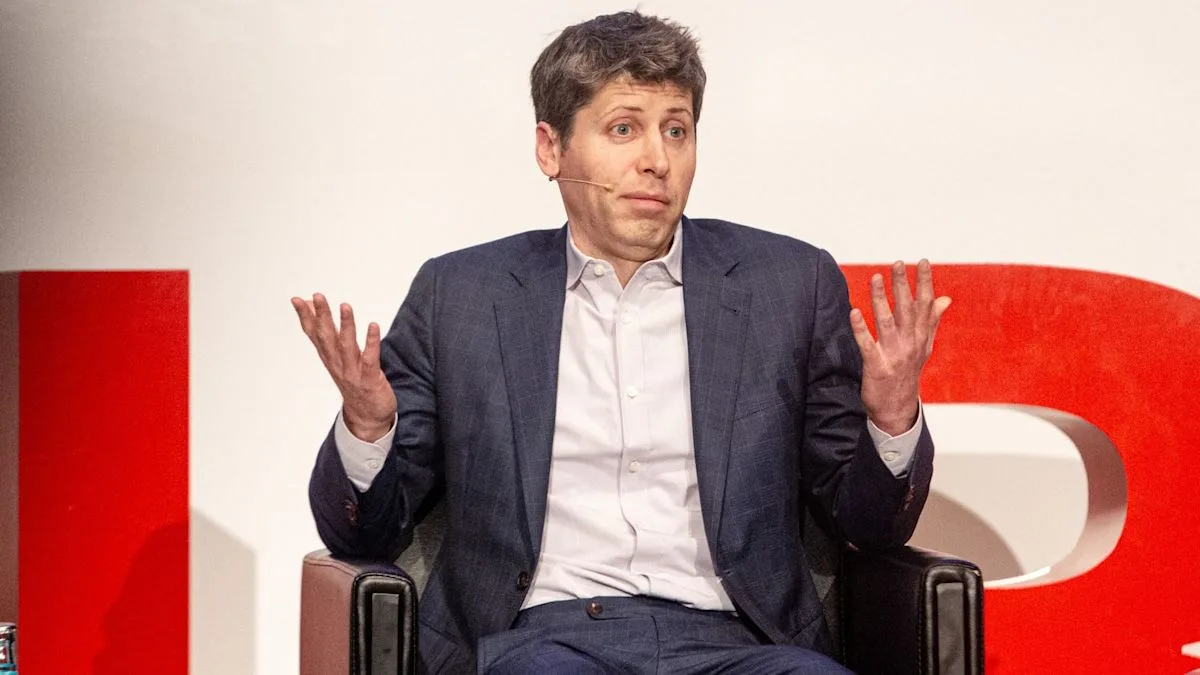
JAKARTA — Leaders of artificial intelligence (AI) companies are back in the spotlight after a series of statements about the technology's future were judged contradictory and prone to obscuring reality. From claims that AI will soon surpass human intelligence to warnings that innovation must be slowed, industry figures keep shifting their timelines without consistent explanation.
This phenomenon is not merely an academic debate. The public and policymakers in various countries, including Indonesia, need to pay close attention because the narrative being built shapes market expectations, the direction of regulation, and resource allocation. When CEOs talk about "AGI" (artificial general intelligence) that could arrive within months, their companies' share prices soar. But when that target fails to materialize, new terms emerge to keep the momentum going.
Since 2023, there have been at least dozens of statements from figures such as Sam Altman (OpenAI), Elon Musk (xAI), Jensen Huang (Nvidia), and Demis Hassabis (Google DeepMind) predicting the arrival of AGI with constantly changing timeframes. Altman in November 2024 said AGI would arrive in 2025, then in August 2026 said his company was "not there yet" but would have an internal system called AGI by the end of the year. Musk in April 2024 predicted AGI within "one to two years", and in December 2025 cited 2026 as a possibility. Meanwhile, Hassabis in January 2025 estimated a gap of three to five years.
The change in terminology indicates a strategic shift. As AGI becomes harder to define and prove, companies like Anthropic are introducing the concept of "recursive self-improvement" — AI's ability to improve itself autonomously. In a blog post titled "When AI builds itself", Anthropic stated that it is increasingly delegating AI development to AI systems themselves, and that this trend could lead to systems capable of designing their successors without human intervention. They acknowledge they are not at that point yet, but warn that it could happen faster than any institution is prepared for.
"We ask the US government to support international efforts to develop the technical tools and governance needed to deliberately slow the pace of automated AI development," reads an excerpt from the "Pacing the Frontier" statement signed by 1,386 AI company employees.
In Indonesia, this dynamic has direct implications. The government is drafting an AI regulatory framework through the Ministry of Communication and Digital Affairs, while AI adoption in the financial, health, and government sectors is becoming more massive. As global industry leaders contradict one another on when AI will surpass humans, the government and businesses at home face uncertainty in formulating long-term strategies. Investment in data center infrastructure and AI talent could be affected if the "AI doomsday" narrative keeps shifting without a clear basis.
Technology policy observers argue that this shifting of timelines is nothing new. According to analysts, a similar pattern occurred with earlier technologies such as quantum computing and autonomous vehicles, where hype often outpaced reality. What sets AI apart, however, is the scale of valuation and the speed of adoption. When AI company CEOs speak of existential risk on one hand and request large funds for data centers on the other, the public has the right to question the consistency and transparency of their claims.
Going forward, the question is no longer whether AGI will materialize, but how governments and society can demand accountability from an ever-changing narrative. Without a clear definition and measurable benchmarks, the predictions of AI bosses risk becoming mere marketing tools — not reliable policy guidance.