ICW: Cibinong's Luxury Prison Is Not Merely an Administrative Violation, There Are Indications of Privilege Trading
Baca dalam 60 detik
- ICW menilai temuan Ombudsman soal bangunan mewah di Lapas Cibinong mengindikasikan dua modus korupsi pemasyarakatan: perlakuan istimewa dan izin keluar yang disalahgunakan.
- Desakan agar KPK menelusuri aliran dana dan kemungkinan suap menyasar praktik jual-beli fasilitas yang berulang sejak era Gayus hingga kasus Sukamiskin.
- Investigasi internal Kementerian Imipas baru berfokus pada status rumah dinas, sementara ICW menuntut pengusutan aktor dan transaksi di baliknya.
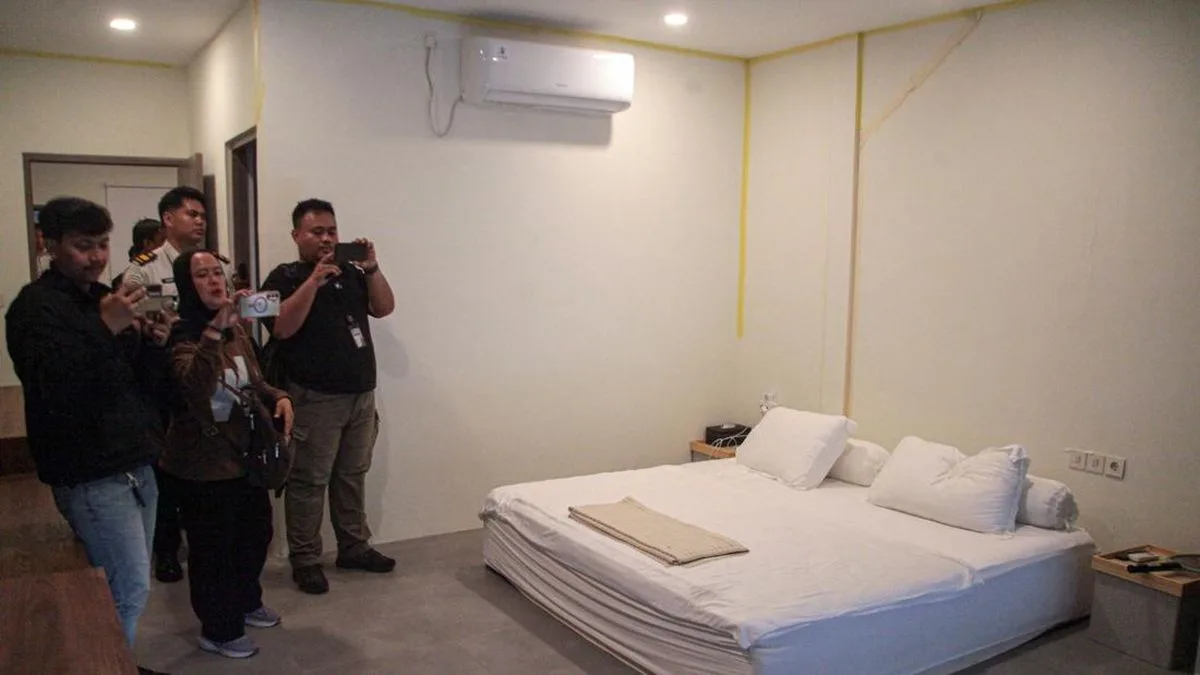
Indonesia Corruption Watch (ICW) has stressed that the Ombudsman's findings about a luxury building with full facilities at Lapas Kelas IIA Cibinong, Pondok Rajeg, Bogor, cannot be reduced to an administrative matter. The corruption watchdog argues the case touches on two of the five modes of prison corruption it has mapped since 2011: granting special treatment to inmates and abuse of prison leave permits.
In an official statement on Friday (25/9), ICW detailed the forms of special facilities that often appear in similar cases, from cells with different standards, electronic access, special food, far more comfortable rooms, to freedom to come and go without any justification recognized by regulations. According to ICW, this pattern is nothing new and has recurred over the past few decades.
ICW referred back to the case of Gayus Tambunan, an employee of the Directorate General of Taxes caught up in a tax mafia case. In 2010, Gayus was caught on camera watching a tennis tournament in Bali, and five years later he drew attention again after being seen eating at a Jakarta restaurant. The first case ensnared the head of the Mako Brimob detention center, Kompol Iwan Siswanto, who was proven to have accepted bribes and sentenced to four years in prison, while the 2015 incident ended with Gayus being moved to Lapas Gunung Sindur.
For ICW, the experience of Lapas Sukamiskin is a mirror showing that the granting of facilities and exit permits can develop into a buying-and-selling transaction when there is a reward for the authorities. It therefore argues that the debate over the building's status—whether it is an official residence or not—actually obscures the core issue. What must be uncovered is the alleged trading of privilege: who pays, who receives, who provides the facilities, and how such access can be given to certain inmates.
"Allegations of bribery and gratification need to be examined to determine whether the old pattern inside prisons has recurred, namely the granting of certain facilities, access, or freedoms as privileges obtained through bribes to officers or even prison heads," ICW wrote.
ICW also urged the Corruption Eradication Commission (KPK) to move, including examining possible transactions and money flows involving officials and prison officers. The pressure comes amid unabated public scrutiny of prison governance, which has repeatedly been a weak point in law enforcement.
Meanwhile, Minister of Immigration and Corrections Agus Andrianto, along with the head of the Special Internal Control and Supervision Agency (Bappisus), Aris Marsudiyanto, visited Lapas Cibinong on the same day. Agus said his office would look into whether the employee housing was truly used as intended or misused for other purposes. "We will look into this," he told reporters.
The internal investigation is indeed important, but ICW stresses that focusing on the legality of the building is not enough. Without tracing the money flows and the actors behind them, the Ombudsman's findings risk ending as an administrative sanction with no deterrent effect. Experience from a number of cases shows that special facilities in prisons are often the entry point for more systemic bribery.
The Indonesian context is relevant because correctional institutions sit at the intersection between rehabilitation and the potential for abuse of power. When oversight weakens, prisons can turn into spaces of transaction that harm the state and damage public trust in the justice system. The Cibinong case, if not handled thoroughly, could reinforce the perception that punishment for corruptors can be negotiated.
Going forward, the public will be waiting to see whether the KPK truly follows up on ICW's pressure or whether this case fades after the internal investigation is completed. The question is simple: can the state dismantle the network of facility trading in prisons, or will the old pattern repeat itself with a new face?