Azerbaijan-China Music Alliance: Cultural Power Play
Baca dalam 60 detik
- The discussions center on joint educational programs, artist exchanges, and collaborative performances that could reshape global music diplomacy.
- Azerbaijan leverages its rich Mugham tradition while China exports its conservatory model, creating a two-way cultural pipeline.
- This alliance mirrors broader geopolitical ties between Baku and Beijing under the Belt and Road Initiative.
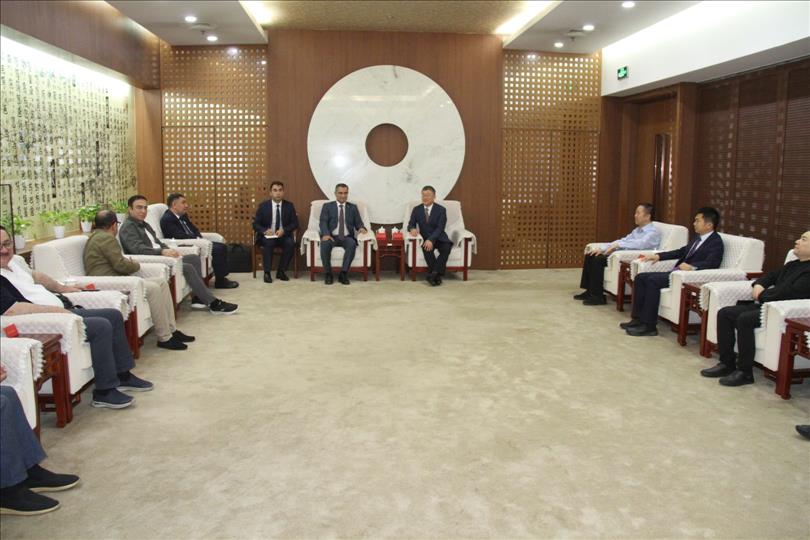
The discussions center on joint educational programs, artist exchanges, and collaborative performances that could reshape global music diplomacy. Azerbaijan leverages its rich Mugham tradition while China exports its conservatory model, creating a two-way cultural pipeline. This alliance mirrors broader geopolitical ties between Baku and Beijing under the Belt and Road Initiative.
China Conservatory of Music brings world-class pedagogy and a massive domestic audience, while the Heydar Aliyev Foundation offers access to European and Central Asian networks. The partnership could generate touring productions, co-composed works, and digital content reaching millions. Cultural ministries on both sides view this as a template for future soft-power projects.
Industry experts note this goes beyond mere artistic collaboration—it's a strategic branding exercise for both nations. Azerbaijan gains prestige as a cultural hub, while China extends its influence in the Caucasus. The timing aligns with Azerbaijan's post-war cultural revival and China's push for global cultural recognition.
Power Move: This cultural alliance is a low-risk, high-reward soft-power investment. Expect a formal joint institute within 12 months, producing touring ensembles that cement Azerbaijan-China ties. Cultural diplomacy here outpaces political negotiations—music becomes the message.
This article was edited with AI assistance for readability. Read original here.