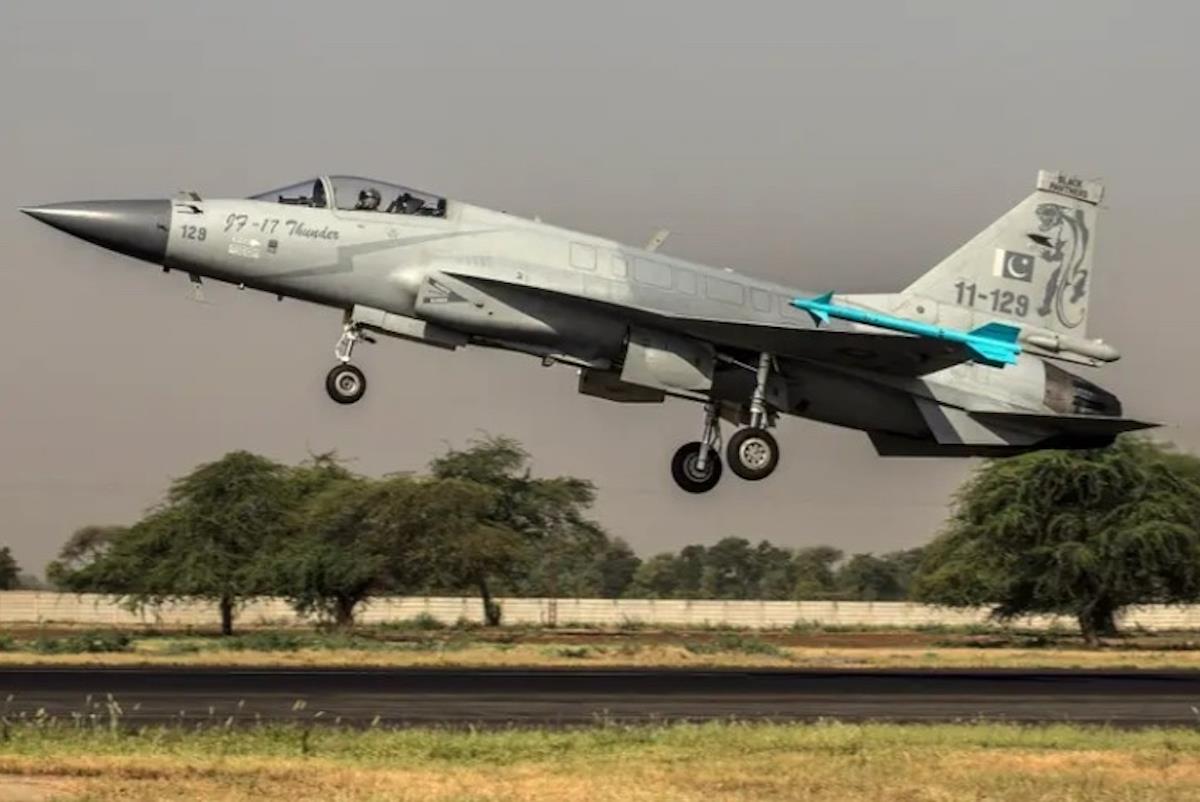
National Security Council Enforces Strict Military Exercise Protocols
Baca dalam 60 detik
- The new protocols mandate real-time communication with allied forces and rigorous risk assessments before any maneuvers.
- Units must now secure explicit approval from joint command for exercises exceeding predefined scale thresholds.
- This centralized control reduces the probability of miscalculations that could trigger unintended conflicts.
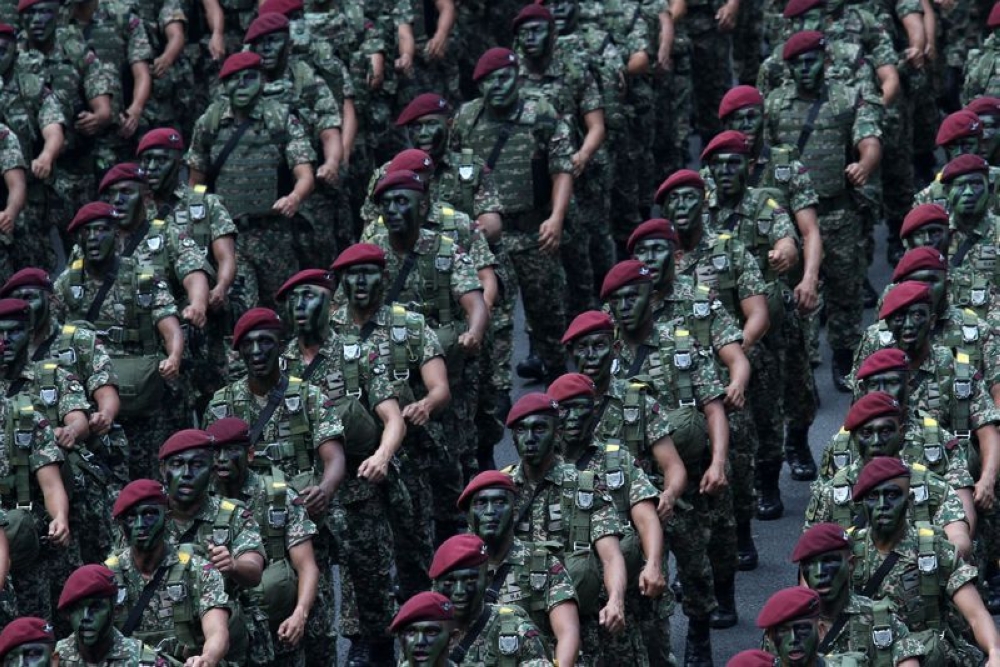
The new protocols mandate real-time communication with allied forces and rigorous risk assessments before any maneuvers. Units must now secure explicit approval from joint command for exercises exceeding predefined scale thresholds. This centralized control reduces the probability of miscalculations that could trigger unintended conflicts.
Analysts view this as a response to recent near-miss incidents during multinational drills. By standardizing procedures, the council seeks to project strength without appearing reckless. The measures also align with treaty obligations, reassuring allies of predictable military behavior.
Critics argue that bureaucratic layers could slow response times in crisis scenarios. However, the council emphasizes that speed without coordination creates vulnerability. The balance between agility and safety will define future operational doctrine.
Power Move: This policy transforms military exercises from power projection tools into calibrated signals. Expect adversaries to test the new protocols' limits, forcing the council to prove that safety measures don't weaken deterrence. Control is the new strength.
This article was edited with AI assistance for readability. Read original here.