Sonny Rollins, Jazz Titan and Restless Innovator, Dies at 95
Baca dalam 60 detik
- Rollins' approach to the saxophone was revolutionary—he blended hard bop with calypso, modal jazz, and free improvisation, constantly pushing boundaries.
- His 'Freedom Suite' (1958) was among the first jazz albums to address civil rights, showcasing his willingness to use music as a platform for social commentary.
- This fearlessness defined his career, influencing countless musicians across genres.
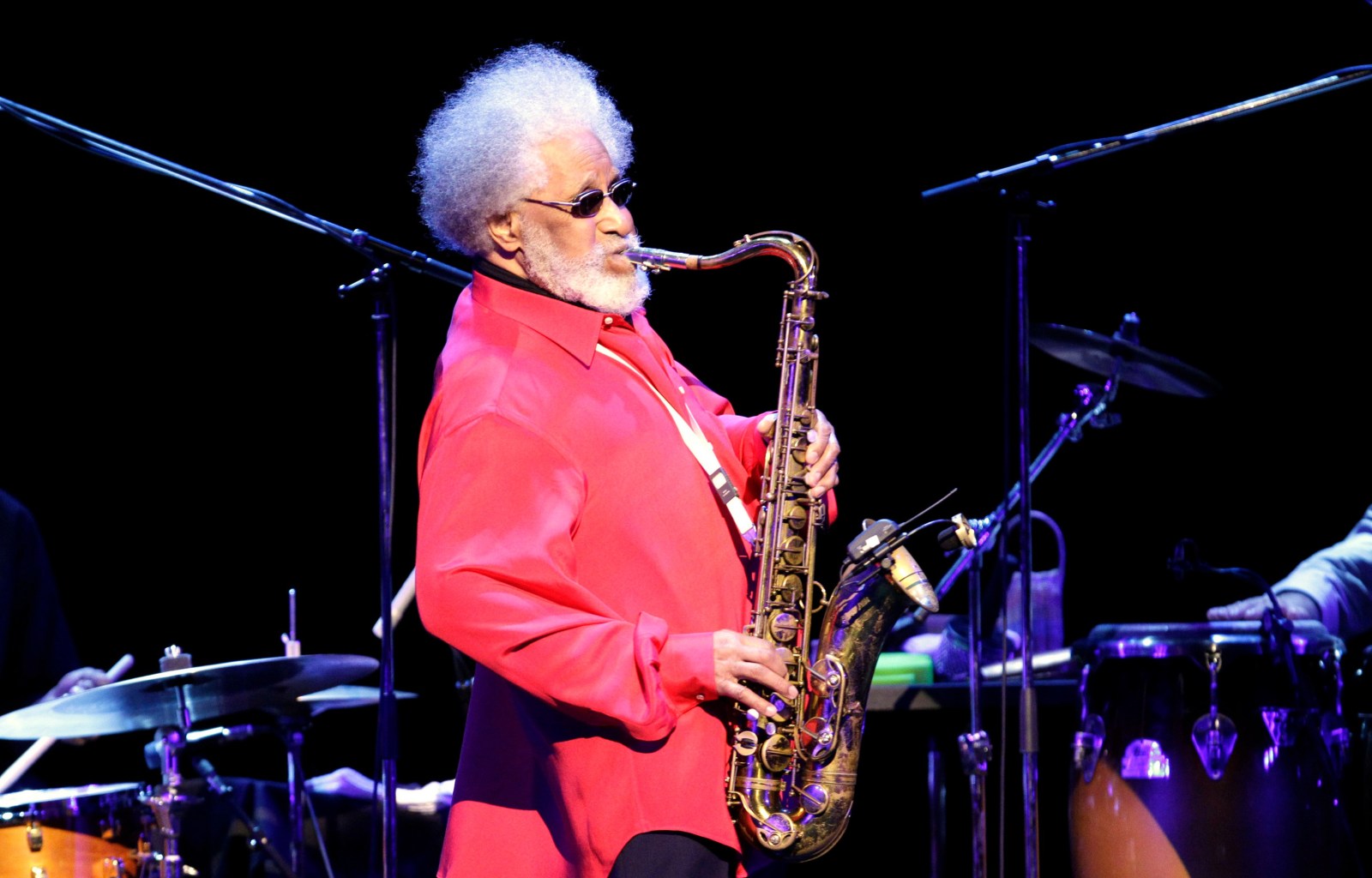
Rollins' approach to the saxophone was revolutionary—he blended hard bop with calypso, modal jazz, and free improvisation, constantly pushing boundaries. His 'Freedom Suite' (1958) was among the first jazz albums to address civil rights, showcasing his willingness to use music as a platform for social commentary. This fearlessness defined his career, influencing countless musicians across genres.
Beyond his recordings, Rollins' sabbaticals from the music industry became legendary. He would step away to practice on the Williamsburg Bridge, honing his sound away from the commercial pressures of the jazz world. These periods of reflection produced some of his most profound work, including 'The Bridge' (1962), a masterwork of reinvention.
Rollins received a Grammy Lifetime Achievement Award and a National Medal of Arts, but his true impact lies in the generations of saxophonists he inspired. His improvisational language—melodic, rhythmic, and deeply soulful—remains a core study for jazz musicians worldwide. The loss of Rollins marks the end of an era, but his music will continue to educate and inspire.
Power Move: Rollins' death closes a chapter on jazz's golden age, but his legacy as a relentless innovator ensures his influence will persist. Future musicians will study his recordings not as historical artifacts, but as living blueprints for artistic courage. The jazz community must now preserve and amplify his contributions to keep his spirit alive.
This article was edited with AI assistance for readability. Read original here.