2026 Runoff Election: Key Races and Voter Strategy
Baca dalam 60 detik
- Runoff elections historically draw less than 10% of registered voters, making every ballot a strategic weapon.
- Campaigns are now laser-focused on mobilizing base voters through targeted digital ads and door-knocking operations.
- The candidates who master micro-targeting gain a decisive edge.
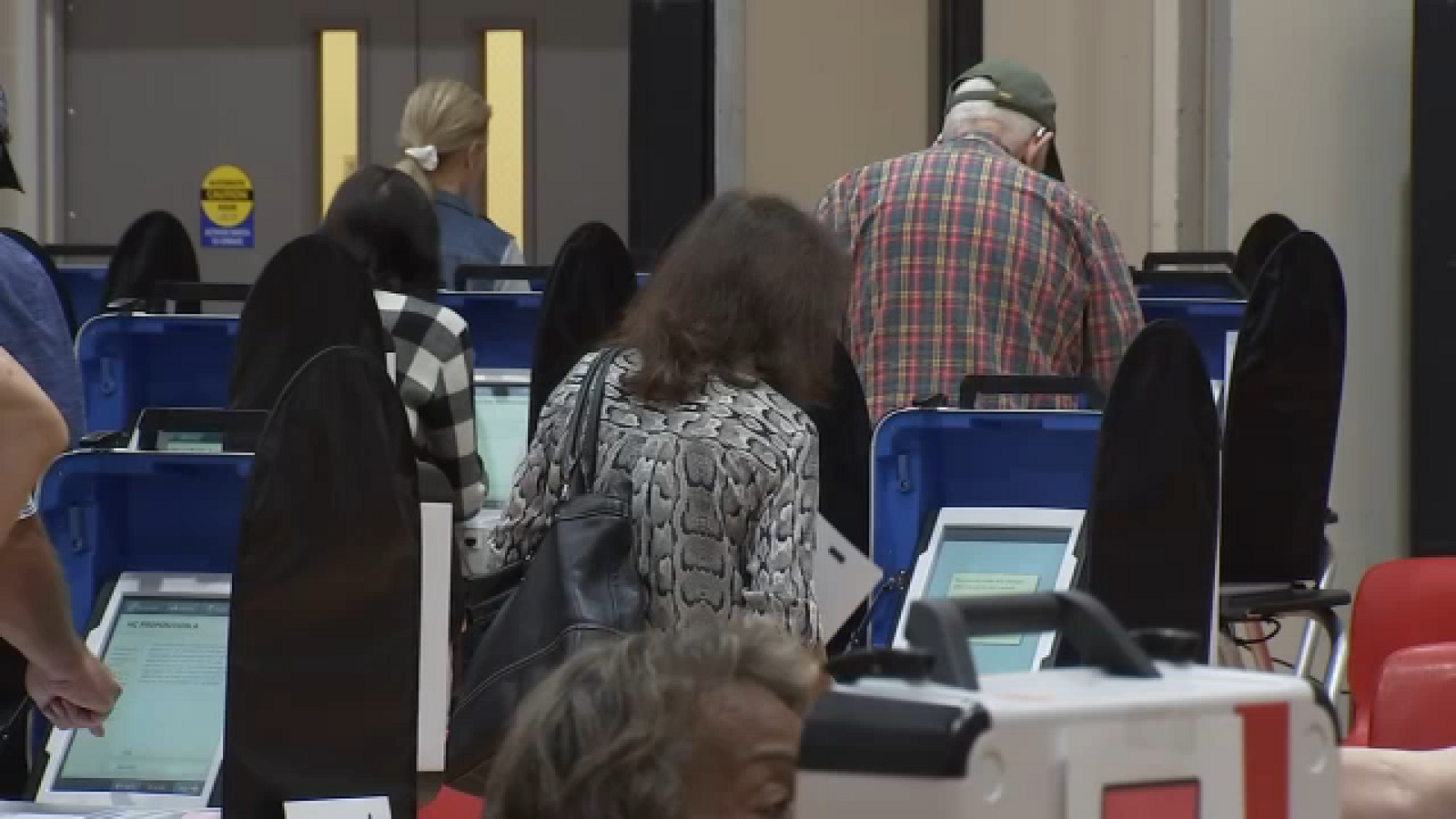
Runoff elections historically draw less than 10% of registered voters, making every ballot a strategic weapon. Campaigns are now laser-focused on mobilizing base voters through targeted digital ads and door-knocking operations. The candidates who master micro-targeting gain a decisive edge.
New redistricting maps have created competitive seats that neither party can take for granted. Incumbents face unexpected challenges from insurgent candidates leveraging grassroots funding. These races serve as bellwethers for the 2028 midterm cycle.
Voter suppression concerns persist as new ID laws and reduced polling locations impact turnout. Advocacy groups are deploying mobile voting units and legal teams to counter restrictions. The outcome will signal how resilient democracy remains under pressure.
Power Move: Low-turnout runoffs reward the party that best mobilizes its base. Expect both sides to invest heavily in get-out-the-vote operations, setting the stage for a high-stakes November. The winners here will define the legislative agenda for the next two years.
This article was edited with AI assistance for readability. Read original here.