AI Fruit Dramas on TikTok: Misogyny's New Frontier
Baca dalam 60 detik
- Creators use AI video generators to craft soap-opera-style conflicts between anthropomorphic fruits, often centering on female characters being betrayed or shamed.
- One popular series depicts a strawberry girlfriend caught cheating, leading to public humiliation by her male fruit partner.
- These storylines mirror real-world misogynistic tropes, packaged as harmless entertainment.
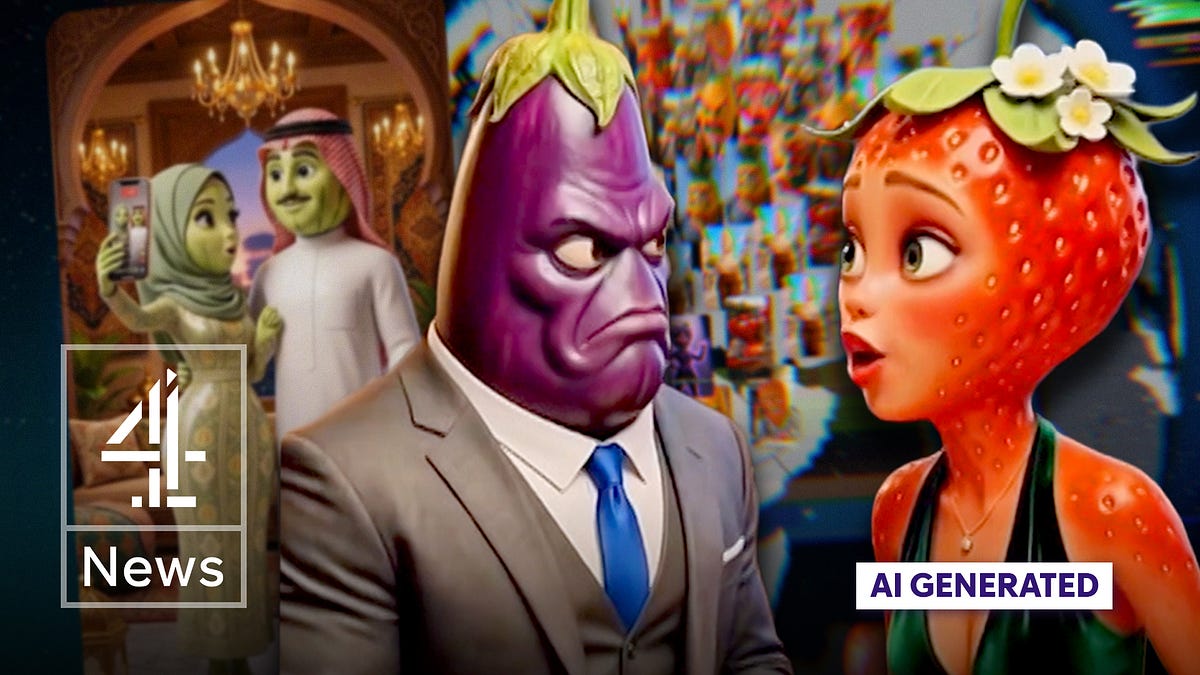
Creators use AI video generators to craft soap-opera-style conflicts between anthropomorphic fruits, often centering on female characters being betrayed or shamed. One popular series depicts a strawberry girlfriend caught cheating, leading to public humiliation by her male fruit partner. These storylines mirror real-world misogynistic tropes, packaged as harmless entertainment.
The trend's virality—millions of views and thousands of copycats—demonstrates AI's power to produce engaging content at scale. But with no content moderation on AI-generated narratives, these videos propagate stereotypes without accountability. Platforms like TikTok face pressure to address algorithmic amplification of harmful themes.
This phenomenon isn't isolated: it reflects a broader pattern of AI replicating and reinforcing human biases. As generative AI becomes more accessible, creators can easily produce content that normalizes toxic behavior. The fruit drama trend is a canary in the coal mine for AI ethics in entertainment.
Power Move: Expect regulators to scrutinize AI-generated content on social platforms within 12 months. Creators leveraging AI for entertainment must proactively audit for bias—or face backlash that could kill the trend. The fruit drama may be silly, but the implications for AI governance are dead serious.
This article was edited with AI assistance for readability. Read original here.