Auros Shuts Down, a Signal of Consolidation in the Global Crypto Market Maker Market
Baca dalam 60 detik
- Auros, salah satu market maker kripto terbesar dengan volume harian puncak $18,2 miliar, memutuskan menutup operasional.
- Penutupan ini berpotensi mengurangi likuiditas di bursa kripto global, terutama jika tidak ada firma lain yang mengambil alih peran.
- Langkah Auros mencerminkan tekanan struktural pada industri market making kripto pasca-FTX, dengan implikasi bagi investor Indonesia yang terpapar aset digital.
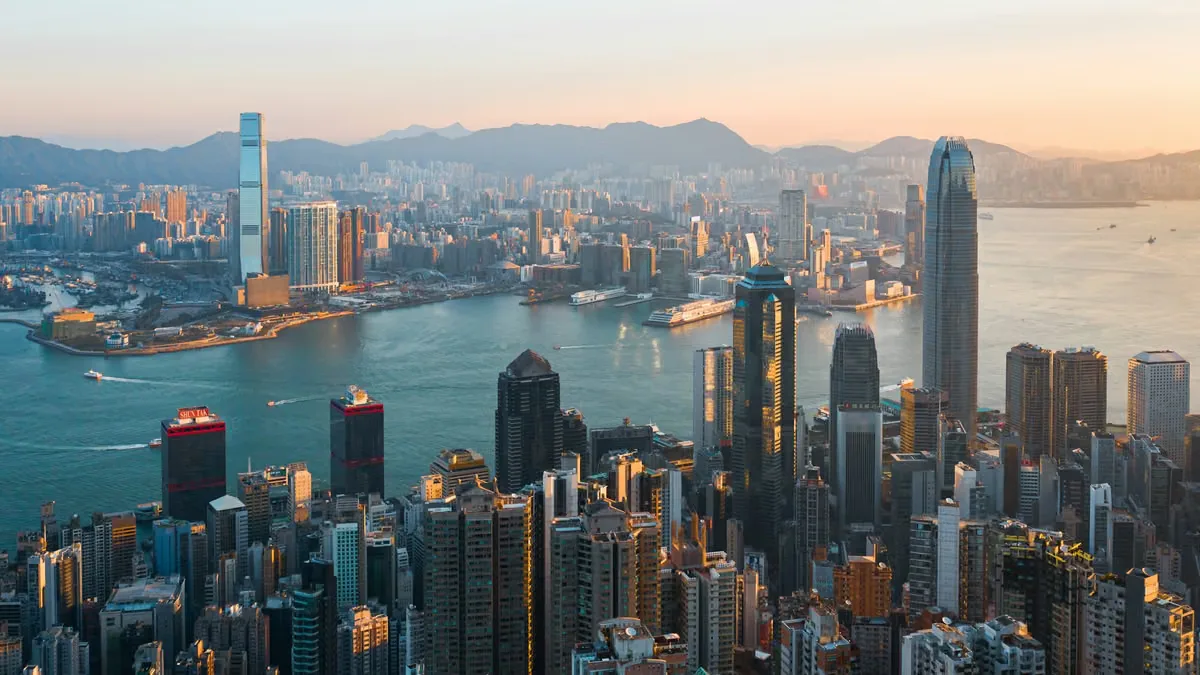
Hong Kong-based crypto trading and market maker firm Auros is reported to have halted all operations. Two sources familiar with the situation said the closure came without an official explanation of the cause or a definite timeline. As of publication, Auros management had not responded to requests for confirmation.
The news marks the end of the road for one of the major players in the global crypto market. Since its founding in 2019, Auros grew into a significant participant, claiming to handle about 4% of total crypto trading volume on exchanges as of July 2024. The company's official website even lists year-to-date 2025 transaction volume exceeding $1.3 trillion, with peak daily turnover reaching $18.2 billion—figures self-reported by the company.
Market makers like Auros play a crucial role in keeping markets healthy. They continuously post bid and ask prices, allowing investors to trade without sharp price swings. Auros's departure could thin order books on exchanges that have relied on its liquidity, depending on how quickly other firms fill the gap. In a crypto ecosystem that depends heavily on liquidity, the absence of one large player can widen spreads and increase short-term volatility.
Traces of Auros's financial troubles had actually been visible since the collapse of the FTX exchange in November 2022. At the time, some of its assets were stuck on the platform, forcing the company into a restructuring process under court supervision in the British Virgin Islands. Auros then raised $17 million in March 2023 through a round led by trading firm Vivienne Court, with participation from bitcoin miner Bit Digital. The capital injection and debt restructuring agreement lifted it from temporary liquidation status that same month.
After recovering, Auros expanded into venture capital. In July 2024, the company disclosed plans to deploy more than $50 million of its own funds into early-stage crypto startups over two years. Its investments included blockchain data provider Pyth and blockchain network Berachain. Even on 29 September 2026, Auros had just launched Aurora, a trading portal designed to give institutional clients access to liquidity across centralized and decentralized crypto markets. The launch of that new product contrasts with the closure decision that emerged only weeks later.
"Auros's departure could leave thinner order books in the markets where it supplied liquidity, depending on how quickly other trading firms replace that activity," read a statement reflecting market participants' concerns, as quoted from sources familiar with the situation.
For the global crypto market, Auros's retreat underscores the consolidation trend in the market making segment. Regulatory pressure, compliance costs, and competition from decentralized platforms are making economies of scale harder to achieve. Nevertheless, some analysts view the impact on overall crypto asset prices as relatively limited as long as other firms are ready to step in. However, for small, low-volume exchanges, losing a market maker like Auros could worsen already thin liquidity.
The Indonesian context is relevant given that more domestic retail investors are gaining exposure to crypto assets through local and global exchanges. Auros's closure does not directly affect licensed exchanges in Indonesia such as Indodax or Pintu, as both have their own liquidity structures. However, if global liquidity dries up, crypto asset prices at home could also come under pressure, especially for large-cap coins traded across borders. Investors need to watch whether this closure is idiosyncratic or a sign of weakening institutional interest in the crypto market more broadly.
Looking ahead, the main question is whether other market maker firms will be able to absorb the volume Auros leaves behind, or whether a void will emerge that triggers liquidity fragmentation. If similar closures continue, regulators in various jurisdictions—including Indonesia—may need to reevaluate their supervisory frameworks for digital asset liquidity providers. Meanwhile, market participants will keep watching whether Auros's move is an early signal of a larger consolidation wave in the global crypto industry.