Butterball: US Turkey Giant Faces Salmonella and Superbug Findings at Plants
Baca dalam 60 detik
- Data inspeksi USDA mengungkap hampir 43% sampel daging giling Butterball terkontaminasi salmonella, jauh di atas rata-rata industri.
- Pabrik Mount Olive mencatat 36% sampel positif, melampaui ambang batas 13,5%, tanpa sanksi denda atau kewajiban penarikan produk.
- Dua pertiga isolat bakteri dari usus ayam menunjukkan resistensi antibiotik, memicu kekhawatiran kesehatan publik dan praktik peternakan intensif.
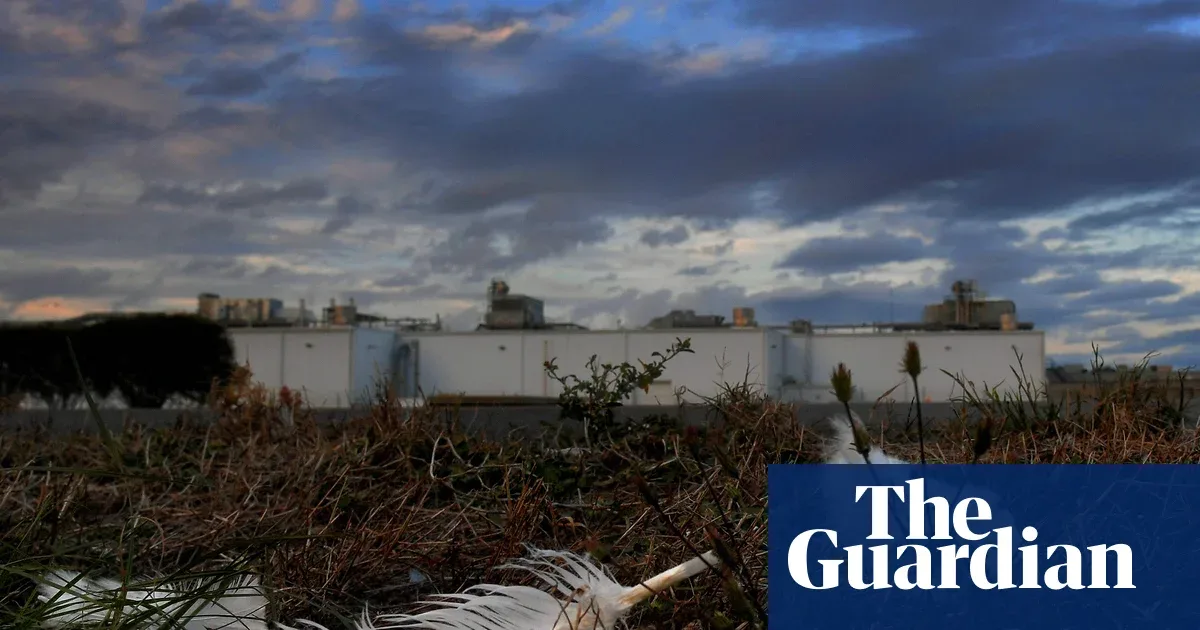
Butterball, the largest turkey producer in the United States, is under sharp scrutiny after two years of inspection data revealed salmonella contamination rates far above the national average in its ground and chopped meat products. The findings come as consumers grow more critical of the safety of processed meat, especially ahead of the holiday season closely associated with turkey dishes.
An analysis of FSIS (Food Safety and Inspection Service) data from the US Department of Agriculture for fiscal years 2025 and 2026 shows that across four Butterball slaughter facilities, nearly 43% of ground or chopped turkey samples contained the bacteria that cause the digestive illness. That figure is almost four times the industry average of 12% for all pathogens. The Mount Olive plant in North Carolina—the largest turkey slaughter facility in the US—recorded 16 of 45 positive samples, or 36%, while the threshold the USDA considers acceptable is only 13.5%.
What makes it worse is that current regulations require neither product recalls nor financial penalties for companies that exceed that limit. The USDA only asks for a written explanation of corrective steps. The situation is compounded by the scale of Mount Olive's operations, which process 285,000 turkeys per week and supply giant retail chains such as Walmart, Costco, Kroger, as well as several fast-food chains. That means consumer exposure risk is very broad, although ready-to-eat products are reported to be free of contamination.
Butterball denies allegations that its products are unsafe. A company spokesperson stressed its commitment to food safety through technology investment and collaboration with experts. They also emphasized that a pilot program with FSIS is underway to evaluate the causes of foodborne illness. However, Alice Johnson, Butterball's senior vice president of food safety, argued that FSIS should measure the quantity of salmonella, not merely its presence or absence. That view was rebutted by Sarah Sorscher of the Center for Science in the Public Interest, who considers a zero-contamination standard to remain the ideal goal.
A comparison with main competitor Jennie-O shows a striking contrast. Only 7% of Jennie-O's ground meat samples tested positive for pathogens, and the company claims its results are far below regulatory standards. Sorscher explained that ground meat is more prone to contamination because every processing stage opens a chance for bacteria to enter. Meanwhile, the data also revealed the presence of superbugs: two-thirds of samples from bird intestines across Butterball facilities in fiscal year 2026 contained salmonella and campylobacter resistant to at least one antibiotic. That figure is comparable to Jennie-O (61%), but higher than the industry average of 33% for resistant pathogens.
“Antibiotic resistance does not appear suddenly in the wild. It is the result of antibiotic use on farms,” said Steve Roach of the Food Animal Concerns Trust, while warning that resistant infections prolong the duration of illness and increase the risk of hospitalization and even death.
The practice of giving antibiotics to healthy animals remains contentious. FDA data show sales of drugs for the livestock industry rose 16% in 2024 compared with the previous year. The World Health Organization (WHO) explicitly recommends ending the routine use of antibiotics in healthy animals. On the other hand, Butterball claims 60% of its turkeys received no antibiotics last year, and stresses its commitment to responsible farming practices. However, Naomi Hallum of Project Slingshot argues the root problem is the intensive farming model that crams thousands of birds into cramped housing, making antibiotics the only way to keep livestock alive.
For Indonesia, these findings mirror the importance of oversight of the imported meat supply chain and domestic farming practices. Although Butterball does not operate directly in Indonesia, imported processed turkey products from the US still enter modern retail markets and the processed food sector. Domestic food safety authorities need to strengthen testing for antibiotic residues and microbial contamination, especially in imported frozen meat that often serves as a protein alternative. In addition, the push to reduce antibiotic use on domestic broiler farms aligns with the global trend toward safer food production.
Going forward, the question is not merely whether Butterball will fix its production processes, but whether US regulators will tighten standards and impose penalties that make repeated violations costly. Without policy reform, the pattern of high contamination and antibiotic resistance in the poultry meat industry could become a public health time bomb that is hard to contain.