The AI Market Isn't Dead, but Bitcoin Risks Losing the Stage
Baca dalam 60 detik
- Dua manajer investasi menilai koreksi saham teknologi hanyalah penyesuaian sehat, bukan akhir dari ledakan investasi AI.
- Kembalinya Jensen Huang ke panggung publik dianggap sebagai katalis pemulihan, meski valuasi saham teknologi sempat dinilai tidak masuk akal.
- Bitcoin berisiko terpinggirkan karena investor marginal lebih memilih menaruh dana di saham AI yang sedang bergairah.
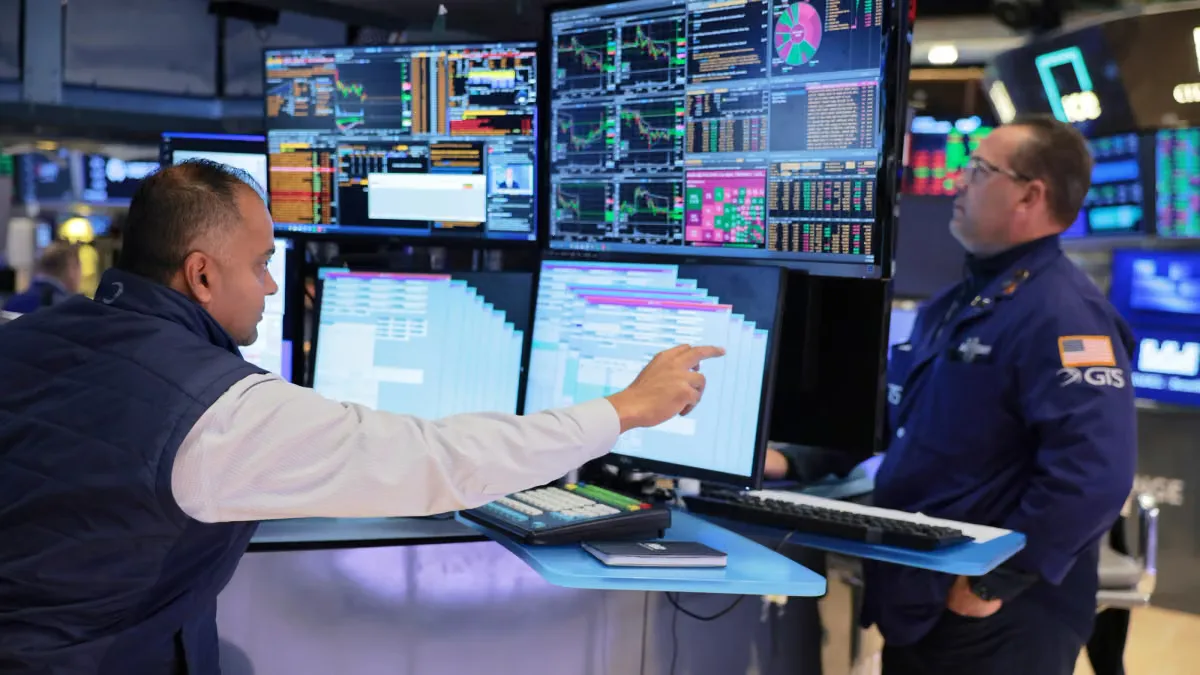
The sharp correction that rattled technology shares over the past few sessions does not necessarily signal the end of the artificial intelligence investment era. Two market participants instead read it as a natural, even healthy, adjustment phase amid the euphoria that had pushed the valuations of several listed companies to extreme levels.
Mark Connors, Chief Investment Officer at Risk Dimensions, rejects the notion that the AI theme ever died. For him, Jensen Huang's return to the public eye only confirms one thing: competition in the AI arena is a fight that must be won, almost regardless of cost. “It never went away,” he said, noting that the stakes extend far beyond the walls of Wall Street—involving companies, countries, and individuals seeking to profit from this technology.
Connors pointed to Palo Alto Networks' announcement that it would acquire Applied Compute for $4.5 billion as evidence that expansion is still underway. The deal will take the cybersecurity company deeper into the AI business, not merely securing the infrastructure behind it but also helping companies train, fine-tune, and deploy AI models. He even likened current market conditions to 1995—the early phase of the internet—rather than the peak of the dot-com bubble.
In the other camp, Chris Sullivan, co-portfolio manager at Hyperion Decimus, believes Huang's return has indeed helped market sentiment. But he does not deny that technology shares had previously become too expensive. “The valuations were truly absurd,” he said. He described the correction as brutal yet healthy, and expects a rally to last at least several weeks ahead.
Sullivan argues that most of the uncertainty weighing on the market is now reflected in prices. Going forward, the direction of share movements will be determined by corporate earnings performance and financial conditions. He is also counting on the seasonal factor that is usually strong in this period, and bets that The Fed will not raise interest rates again. “If The Fed does not raise interest rates—and I predict it won't even though the market says otherwise—a major rally will occur in almost all assets,” he said.
But that prediction faces a tough test. Joel Kruger, global market strategist at LMAX Group, notes that government bond yields remain high and expectations of further tightening from The Fed have not subsided. Market participants will get a clearer signal on Wednesday through the release of the core PCE price index. “A strong number will reinforce tightening expectations and could pressure interest-rate-sensitive technology shares once again,” Kruger said.
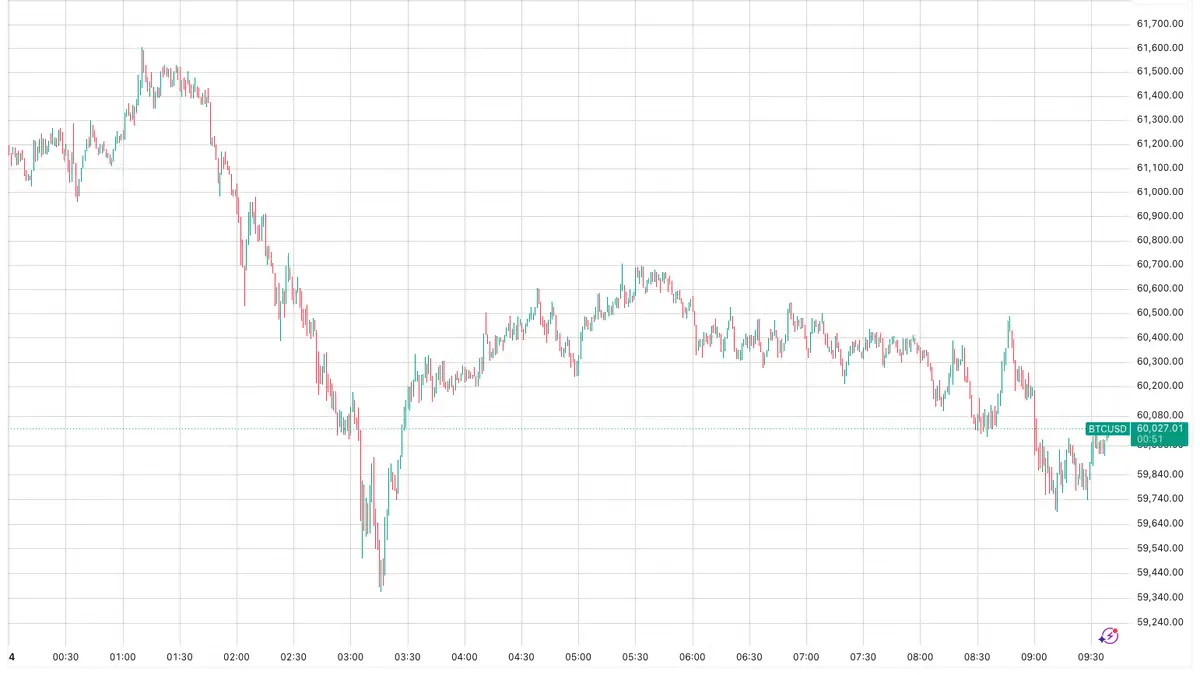
For bitcoin, the recovery in technology shares appears insufficient. The cryptocurrency is typically boosted by a risk-on environment, but it must now compete for investor funds with AI shares. Connors said he is watching whether bitcoin remains “neglected by the marginal buyer focused on the AI turmoil.” In the Indonesian context, this dynamic is relevant for domestic retail investors who are increasingly active in allocating funds to digital assets and global technology shares. When global capital flows favor the AI theme, selling pressure on bitcoin could continue, while the local crypto market—which has recently shown a high correlation with global sentiment—may also be affected.
The question now: if an AI stock rally truly materializes, will bitcoin return to the spotlight, or will it be increasingly sidelined by the artificial intelligence narrative that never loses its appeal?