WWF: Global Wildlife Populations Plummet 73%, Food Systems Key to Rescue
Baca dalam 60 detik
- WWF mencatat rata-rata penurunan 73% populasi vertebrata global sejak 1970, dengan wilayah tropis mengalami kerugian terparah hingga 95%.
- Sektor pangan menjadi penyebab utama hilangnya habitat, sehingga transisi menuju sistem pertanian berkelanjutan dinilai sebagai titik kritis berikutnya setelah energi terbarukan.
- Keberhasilan konservasi harimau, tuna, dan penyu hijau membuktikan bahwa pemulihan ekosistem masih mungkin dilakukan asalkan ada intervensi terarah dan pendanaan yang memadai.
The latest report from the World Wildlife Fund (WWF) reveals that global vertebrate wildlife populations shrank by an average of 73% between 1970 and 2022. The findings confirm that the biodiversity crisis is no longer merely an environmental issue, but a direct threat to global economic stability, which depends on ecosystem services worth around US$58 trillion, or nearly half of world GDP in 2023.
The analysis of nearly 36,000 populations and more than 5,000 species shows an uneven pattern: biodiversity-rich tropical regions suffered the sharpest declines, while temperate zones in the northern hemisphere remained relatively more stable. Latin America and the Caribbean recorded an average decline of 95% for terrestrial and freshwater wildlife, followed by Africa at 80%, while Europe and Central Asia saw only 23%. Freshwater ecosystems were the hardest hit, with an 85% decline, far exceeding terrestrial (69%) and marine (59%) species.
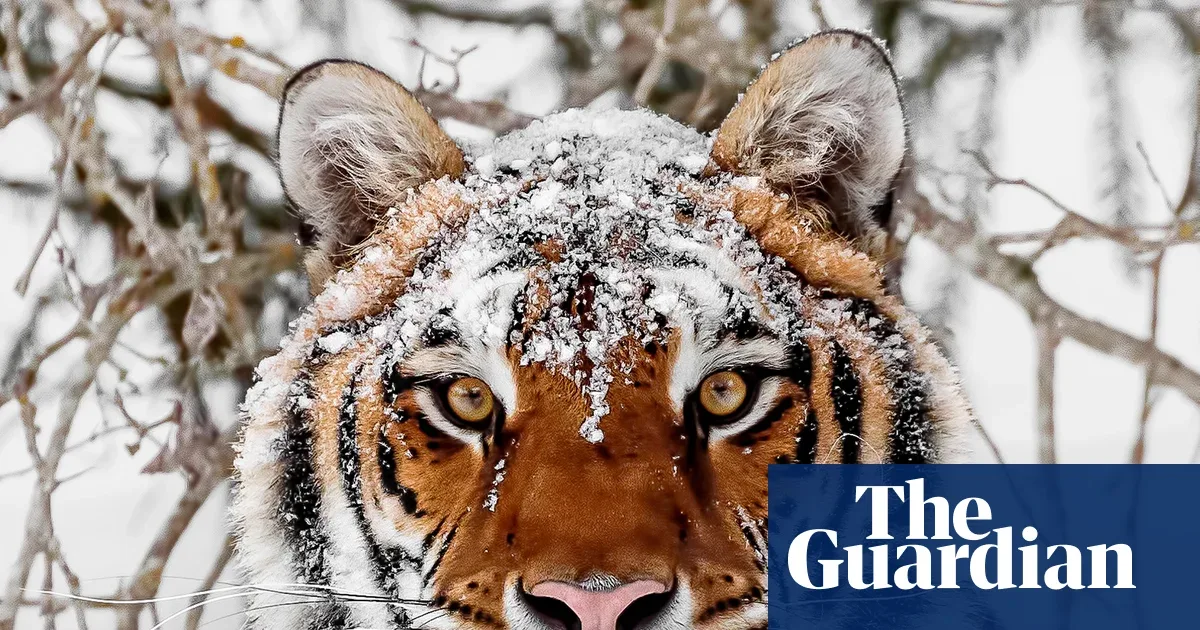
Nevertheless, the report also highlights success stories that offer hope. The global wild tiger population rose from around 3,200 individuals in 2010 to roughly 5,700, a growth of more than 70%, thanks to targeted and sustained conservation interventions. Atlantic and Pacific bluefin tuna, once devastated by overfishing, have now recovered and are no longer classified as threatened. The green turtle even became the first marine reptile to be downgraded from "endangered" to "least concern" on the IUCN Red List last year, the fruit of half a century of conservation cooperation across 80 countries.
Dr Mike Barrett, chief scientific adviser at WWF UK and one of the report's authors, argues that conservation alone will not be enough to stem the rate of destruction. According to him, the world must transform three key systems driving nature loss: energy, food, and finance. He cited the energy sector, which has passed a positive tipping point with the now-unstoppable adoption of renewable energy, though the pace remains insufficient.
"Agriculture is the biggest cause of habitat loss and degradation, as well as a source of greenhouse gas emissions driving climate change. We face mutually reinforcing feedback," Barrett said.
Echoing that view, Dr Steve Smith of the Global Systems Institute called sustainable food systems the "biggest prize" for nature recovery, yet ironically the furthest behind in reaching a positive tipping point. He noted that agricultural expansion is the main driver of global deforestation, making reform of land governance and consumption patterns an absolute prerequisite.
Tanya Steele, CEO of WWF UK, warned that nature loss is already exacting real costs through rising risks to food security, water supply, and economic resilience against climate shocks. "We stand at a crossroads: keep paying the ever-higher price of nature destruction, or invest in nature's recovery," she said.
For Indonesia, these findings are an important mirror. As a megabiodiverse country with the world's third-largest tropical forest, Indonesia faces similar pressures from plantation expansion and land conversion. WWF data shows that tropical regions are the epicenter of the crisis, and Indonesia sits right within it. Policies such as the palm oil permit moratorium, social forestry programs, and the FOLU Net Sink 2030 commitment will test whether Indonesia can reverse the trend before ecological thresholds are breached.
The question now: will the global food sector—including Indonesia's—be able to follow renewable energy's path toward a positive tipping point, or will it become the final obstacle accelerating the collapse of biodiversity?