UK Green Party Threatened With Conference Ban in Brighton Over Zionism Motion
Baca dalam 60 detik
- Partai Hijau Inggris dan Wales berisiko kehilangan akses ke Brighton Centre setelah meloloskan mosi yang menyebut Zionisme sebagai rasisme.
- Pemimpin Dewan Kota Brighton & Hove, Bella Sankey, menilai mosi itu diskriminatif dan membahayakan komunitas Yahudi setempat.
- Ketua Partai Hijau, Zack Polanski, menolak tuduhan tersebut dan menegaskan kritik terhadap Israel tidak sama dengan antisemitisme.
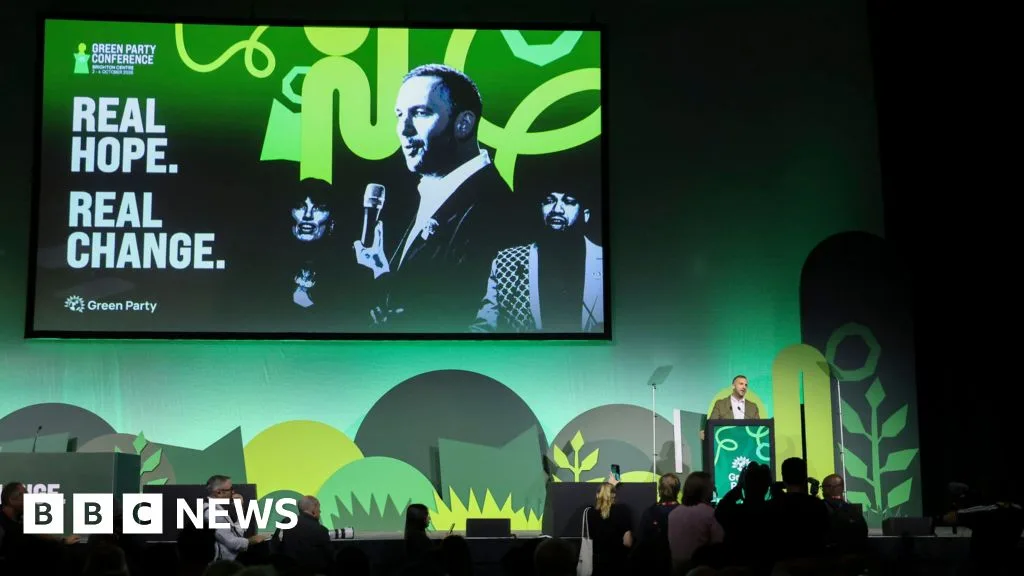
The Green Party of England and Wales faces the threat of being barred from using the Brighton Centre for its upcoming conference after the party passed a motion declaring Zionism a form of racism. The decision drew a sharp reaction from Brighton & Hove City Council, which manages the prestigious conference venue.
The Labour leader of Brighton & Hove City Council, Bella Sankey, expressed deep concern over the prospect of the Green Party returning to Brighton for its next conference. She described the motion as divisive and discriminatory, and said it contradicted the city's commitment to being a welcoming and inclusive place for everyone.
Sankey told the BBC that the council was considering rejecting future venue rental applications from the Green Party. In her statement, she accused the motion of dangerously conflating the right of the Jewish people to self-determination with the actions of the Israeli government, thereby risking the safety of Jewish members and residents more broadly.
Zionism itself is the belief in a homeland for the Jewish people. The issue has long been fiercely debated in British politics, especially among parties with a progressive grassroots base such as the Green Party.
Responding to the threat, Green Party chair Zack Polanski, who is Jewish, stressed that he would not accept any form of exclusion or refusal to engage with anyone on the basis of their religious or community affiliation. Polanski rejected Sankey's characterization of his party's motion.
"Antisemitism and criticism of the state of Israel are two things that must always be clearly distinguished. Conflating the two is not only wrong, it is an antisemitic act that makes Jewish people less safe," Polanski said.
Polanski added that as a movement fighting for justice, the Green Party has a responsibility to protect Palestinian rights as well as the Jewish community in the UK. The statement reflects the party's position as it seeks to balance solidarity on a global issue with a commitment to fighting discrimination at home.
The council's decision to consider a ban raises broader questions about the boundary between political parties' freedom of expression and the responsibilities of public venue operators. The Brighton Centre, which has hosted Labour and Liberal Democrat conferences for years, is now at the center of a controversy that could reshape the local political landscape.
A similar precedent occurred in 2017 when the then council leader, Warren Morgan, threatened to ban his own party from holding its conference at the Brighton Centre over concerns about emerging antisemitic views. That move showed the issue is not new in Brighton's political dynamics, even though the context and the actors are now different.
For the Green Party, the threat of a ban could significantly affect its logistics and image ahead of its annual conference, which usually serves as a venue for internal consolidation and policy announcements. The Brighton Centre is not just a venue but a symbol of the decades-long tradition of political party conferences in the UK.
Meanwhile, the debate over the definition of Zionism and its relationship to criticism of Israeli policy continues to be a fault line in many European political parties. The Green Party of England and Wales is in a difficult position: asserting solidarity with Palestine without falling into accusations of antisemitism that could damage its domestic support.
Going forward, Brighton & Hove City Council's decision on access to the Brighton Centre will test how far local authorities can intervene in the internal affairs of political parties. Will the ban actually be imposed, or will it instead trigger a wave of solidarity for the Green Party? Either way, the tension between freedom of expression and the protection of minority groups will remain a political battleground in the UK.