Strands #947: Spangram 'THEOLDSWITCHEROO' and How to Crack Today's Puzzle
Baca dalam 60 detik
- New York Times merilis teka-teki Strands edisi ke-947 dengan spangram 'THEOLDSWITCHEROO' yang menguji pemain menemukan enam kata tema.
- Puzzle ini menawarkan mekanisme unik: setiap tiga kata non-tema yang ditemukan akan membuka petunjuk huruf untuk kata tema.
- Popularitas Strands yang terus menanjak menandakan pergeseran kebiasaan konsumsi media digital, di mana permainan kata harian menjadi rutinitas baru.
The New York Times has once again served up its daily challenge with the 947th edition of the Strands puzzle, released on Tuesday, October 6, 2026. The puzzle features a spangram titled 'THEOLDSWITCHEROO' as the main key to solving the six theme words hidden on the board. For word puzzle fans, this edition offers a difficulty level that pushes players to think about a change of direction or a decision that was reversed.
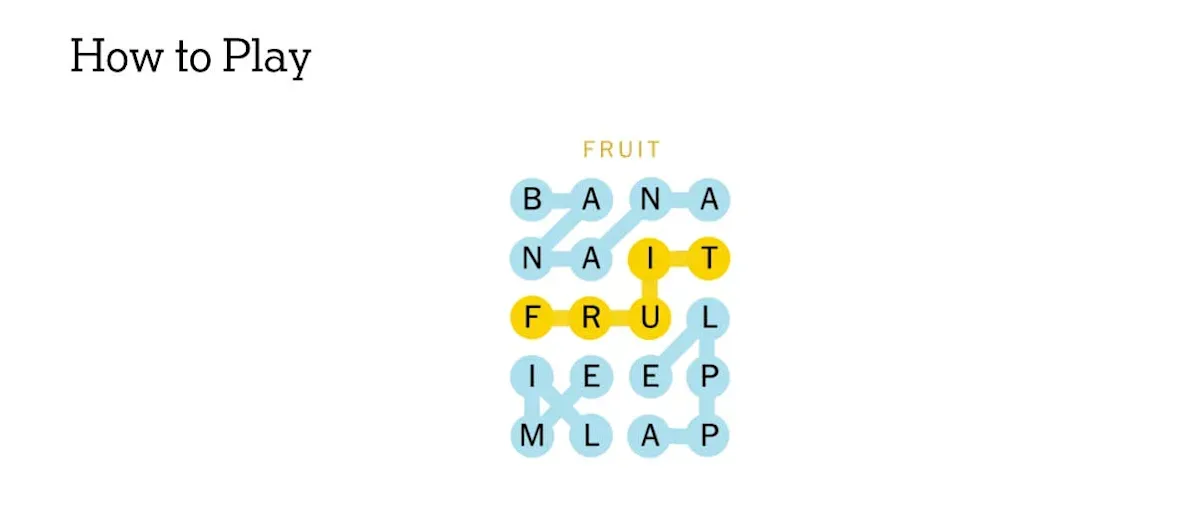
Strands, launched as NYT's newest game, has become a phenomenon among word game enthusiasts. Unlike Wordle, which focuses on guessing a single word, Strands presents a letter board that must be filled with theme words. Each theme word found stays highlighted in blue, while the spangram—the word that describes the theme and touches two opposite sides of the board—turns yellow. The main challenge is to find all the theme words without overlap, with six words in total including the spangram.
The game's mechanics give players an incentive to experiment. Every three non-theme words successfully found yields one hint that reveals letters from a theme word. If a hint is already active, the next hint will show the letter sequence of that word. This system allows players to keep making progress even when they get stuck, while also keeping curiosity alive. For those struggling, today's hint is 'Not this, but that'—a phrase that points to the concept of a swap or a switch.
The Strands phenomenon is inseparable from NYT's strategy of continually expanding its word game portfolio after the success of Wordle, Connections, and the Mini Crossword. The presence of this game strengthens NYT's position as a leading destination for cognitively based entertainment. According to media industry observers, daily games like this not only boost user engagement but also reinforce loyalty to NYT's digital ecosystem. Each consistently released edition creates a daily ritual that brings users back to the app or website.
"Daily word games have become a kind of digital meditation for many people. They provide a small sense of accomplishment amid the noise of information," said a media analyst who tracks news gamification trends.
In Indonesia, the daily word puzzle trend is also starting to find a place. Although no local platform has specifically developed a similar game on the scale of NYT, interest in brain-training games continues to grow. Puzzle-loving communities on social media often discuss strategies and share hints, creating an active discussion space. This potential could be an opportunity for local developers to create word games with Indonesian-language content, for example by drawing on themes from the culture or history of the archipelago.
Looking ahead, the question is how far NYT will develop Strands. Will there be a feature for competition between players, or perhaps integration with other platforms? What is clear is that the success of Strands confirms that amid the flood of short video content, simple word games still have a place in users' hearts. For LyndHub readers who want to give it a try, don't hesitate to visit the NYT site and solve today's spangram 'THEOLDSWITCHEROO'.