October 2026 Astrotourism: Aurora to the Milky Way, But Not All Visible From Indonesia
Baca dalam 60 detik
- Oktober 2026 menghadirkan puncak aurora, oposisi Saturnus, tiga hujan meteor, dan penampakan terakhir inti Bimasakti sebelum hilang dari langit malam.
- Sejumlah fenomena langit hanya dapat disaksikan dari belahan Bumi tertentu, sementara pengamat di Indonesia mesti memilih waktu dan lokasi bebas polusi cahaya.
- Bagi wisatawan, momen ini berpotensi mengerek minat astrowisata domestik, terutama di kawasan timur Indonesia yang masih gelap gulita.
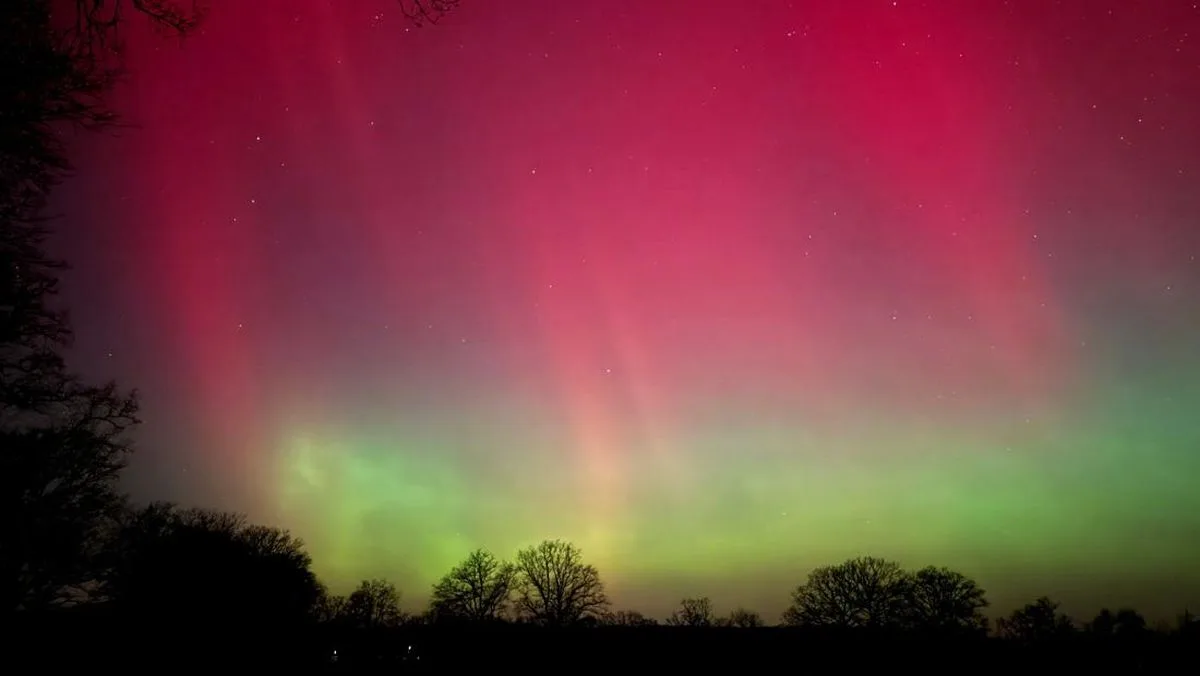
The night sky throughout October 2026 offers an astronomical show rarely seen in a single month: the peak of aurora borealis season, Saturn at opposition, three waves of meteor showers, and the last chance to capture the core of the Milky Way before it disappears from view until next spring.
For observers in Indonesia, not all of these phenomena can be enjoyed. The aurora borealis and the occultation of Jupiter, for instance, are visible only at high latitudes or along specific paths in the United States. However, several other events can still be witnessed from Indonesia as long as observers choose a location truly free of light pollution.
Travel and Leisure notes that October is one of the busiest months for the amateur astronomy community. Increased geomagnetic storms around the autumn equinox and the lengthening duration of night make auroras appear more often. Meanwhile, for observers in Indonesia, the best opportunities come from meteor showers and deep-sky objects such as the Milky Way.
From that list, meteor showers are the main draw for observers in Indonesia. The Draconids peak shortly after sunset, so they do not force observers to stay up late. Unfortunately, their radiant lies in the Draco constellation, which is clearly visible only from the northern hemisphere. Observers in Indonesia can still catch a few meteors, but the numbers will not be as high as at high latitudes.
A friendlier opportunity comes from the Orionids on 21–22 October. This meteor shower, originating from debris of Comet Halley, is expected to produce 10–20 meteors per hour after midnight. The light of the gibbous Moon is somewhat disruptive, but observers in Indonesia still have a chance to see it as long as they find a dark location and give their eyes time to adapt.
"Finding a location far from light pollution is the main key to enjoying this free natural show," goes the advice often given by the amateur astronomy community.
For sky photographers, the period of 8–13 October is a crucial moment. The Milky Way core will appear hanging low on the southwestern horizon about an hour after sunset. After that, our galaxy will vanish from the night sky until next spring. The New Moon phase on 10 October provides a darker sky, ideal for long exposures.
Another phenomenon not to be missed is Mars passing through the Beehive star cluster (Messier 44) on 10–12 October. With binoculars, observers can see the red planet sitting very close to the star cluster in the constellation Cancer. Meanwhile, on 27 October, the nearly full Moon will pass in front of the Pleiades cluster, occasionally covering its bright stars.
In Indonesia, the potential for astrotourism is actually considerable. Areas such as Nusa Penida, Bromo, and the highlands of Sulawesi and Papua offer dark skies suitable for observation. However, the main challenge is the tropical weather, which is often cloudy in October, especially in western Indonesia as it begins to enter the rainy season.
Astronomy observers say moments like this can serve as an entry point for science education for the public. Unfortunately, the lack of public observatory and planetarium facilities in the regions means enthusiasm often goes unchanneled. Yet with simple equipment and the right location, observers in Indonesia can still enjoy most of the same phenomena as observers in other parts of the world.
Looking ahead, the remaining question is how far this October sky momentum will be used to promote science-based tourism in Indonesia. Without serious infrastructure support and promotion, sky phenomena will only become social media chatter, not a driver of the local economy.