Five Android Phones Priced Rp7–10 Million That Are Guaranteed to Last Until 2032
Baca dalam 60 detik
- Samsung, OnePlus, dan Fairphone menawarkan jaminan pembaruan perangkat lunak hingga tujuh tahun di segmen menengah, menghapus anggapan bahwa umur panjang hanya milik ponsel flagship.
- OnePlus Nord 6 menjadi pengecualian dengan baterai 9.000 mAh dan layar 165Hz, tetapi hanya tersedia resmi di India setelah OnePlus mundur dari pasar Amerika dan Eropa.
- Pilihan ponsel kini bergeser dari sekadar spesifikasi ke jaminan dukungan jangka panjang, tren yang berpotensi mengubah perilaku konsumen Indonesia yang terbiasa mengganti ponsel setiap dua tahun.
Buying a mid-range Android phone is no longer just about camera specs or chipset speed. The guarantee of long-term operating system and security updates has become a primary consideration, especially as memory component prices keep rising and consumers are pushed to hold onto devices longer. Several manufacturers have responded by offering up to seven years of support on affordable models, a policy that just a few years ago was enjoyed only by premium phone buyers.
This shift matters because software updates are not just about new features. Without regular security patches, system vulnerabilities can be exploited to steal personal data. For consumers in markets like Indonesia, where a phone is often the only primary digital device, the promise of long support means protection of digital assets as well as long-term savings.
From a review of several international tech reviewers, at least five devices deserve a spot on the radar: Samsung Galaxy S25 FE, Galaxy A56, Galaxy A37, OnePlus Nord 6, and Fairphone Gen 6+. All five offer a combination of long lifespan, adequate performance, and all-day battery life. Here is a summary of each device's value.
The Samsung Galaxy S25 FE is an attractive choice for those who want full AI features like those on the regular Galaxy S25 series. Although it uses the previous-generation Exynos 2400 chip, its performance still surpasses several rivals in its class based on Geekbench 6 benchmark tests. Its 6.7-inch Dynamic AMOLED display with a 120Hz refresh rate and 1,900 nits peak brightness puts it on par with more expensive phones. A 4,900 mAh battery with 45-watt fast charging and 15-watt wireless charging completes the package.
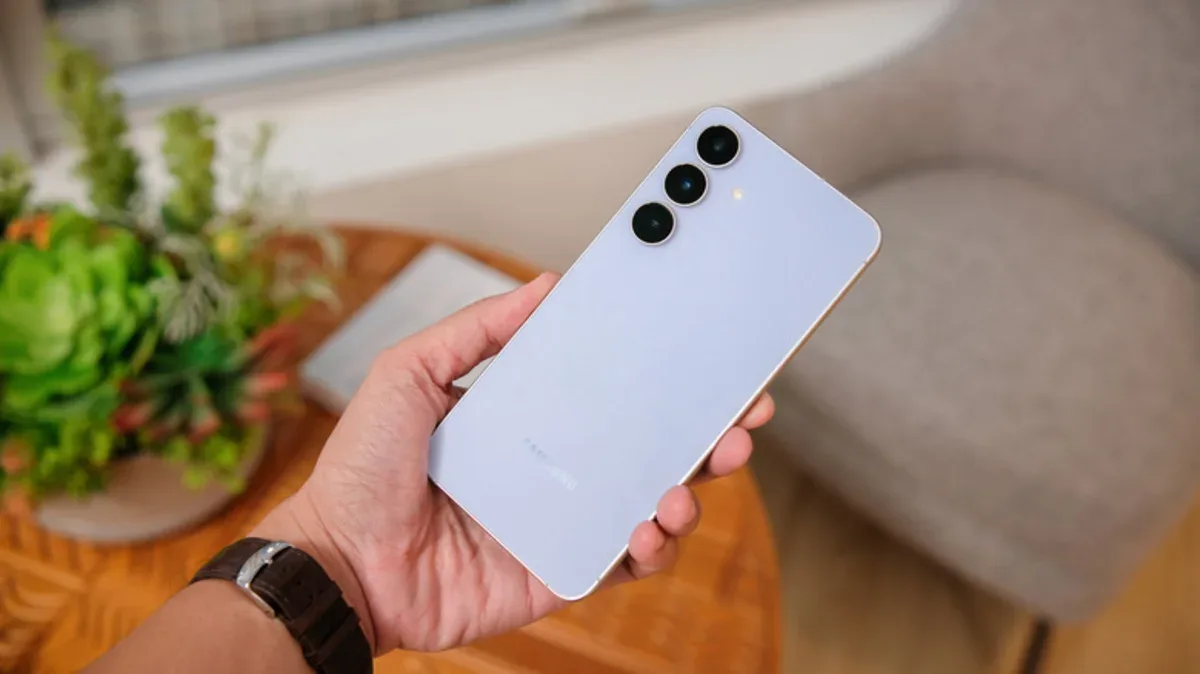
For tighter budgets, the Galaxy A56 offers outstanding value. At under US$400, users get 256 GB of storage, a 5,000 mAh battery, and a Super AMOLED display that TechRadar called one of the best viewing experiences in the budget phone class. The Exynos 1580 chip inside can beat several more expensive phones in CPU and GPU tests. Samsung also embeds the "Awesome Intelligence" feature, a condensed version of Galaxy AI that includes Circle to Search and Object Eraser.
Meanwhile, the Galaxy A37 arrives as the most wallet-friendly option, starting at US$436. Although positioned below the Galaxy A57, several reviewers argue the A37 actually offers more reasonable pricing. Its 6.7-inch Super AMOLED display with 1,900 nits brightness and a 50 MP main camera that produces more natural images are its main draws. The Exynos 1480 chip inside is adequate for daily tasks, though not for heavy gaming.
"This phone won't stutter when streaming or scrolling," TechRadar wrote in its review of the Galaxy A37, adding that the device is not an ideal choice for competitive gamers on a budget.
The OnePlus Nord 6 steals attention thanks to its 9,000 mAh silicon-carbon battery and 6.78-inch AMOLED display with a 165Hz refresh rate — specs usually found only in flagship gaming phones. The Snapdragon 8s Gen 4 chip it uses was called the strongest chip in its price range by GSM Arena. Unfortunately, the device is officially available only in India after OnePlus stopped sales in the United States, Canada, and Europe. Its operating system update support is also shorter, at four years, though security updates continue for six years.
Finally, the Fairphone Gen 6+ offers a different approach: sustainability and ease of repair. The device has 12 components users can replace themselves, from the screen and battery to the microphone, with spare parts available through 2033. Powered by a Snapdragon 7s Gen 4 and 12 GB of RAM, its performance is on par with the Galaxy A37. Although it costs US$649, its selling point lies in its environmental commitment and repairability, which are rare in the phone industry.
For Indonesian consumers, this trend carries significant implications. Until now, the phone replacement cycle in the country has been relatively short, around two to three years, partly due to concerns about security updates ending. With long-guarantee options arriving in the mid-range class, consumers can reduce long-term ownership costs. However, the challenge is official availability and local pricing. Samsung and Fairphone have distribution channels in Indonesia, while OnePlus is still officially absent. The government could also encourage manufacturers to extend software support as part of circular economy policy and consumer data protection.
Going forward, the question is no longer whether cheap phones can last five years, but how aggressively other manufacturers will follow this lead. If the trend continues, the new standard in the phone industry will no longer be paper specs, but a long-term commitment to updates and sustainability. Consumers will be the ones who benefit if competition shifts in that direction.