Amazfit Bip 6 to T-Rex 3 Pro: Five Affordable Smartwatch Alternatives with Batteries That Last 25 Days
Baca dalam 60 detik
- Amazfit menawarkan jajaran smartwatch mulai 79 dolar AS, jauh di bawah harga awal Apple Watch SE 3 (249 dolar AS) dan Samsung Galaxy Watch FE (175 dolar AS).
- Model unggulan seperti Bip Max dan T-Rex 3 Pro membawa layar AMOLED, GPS, serta daya tahan baterai hingga 20–25 hari, menantang Garmin dan Apple Watch Ultra 4.
- Strategi harga agresif ini berpotensi mengubah peta pasar wearable di Indonesia, tempat konsumen sensitif terhadap harga namun menuntut fitur kesehatan lengkap.
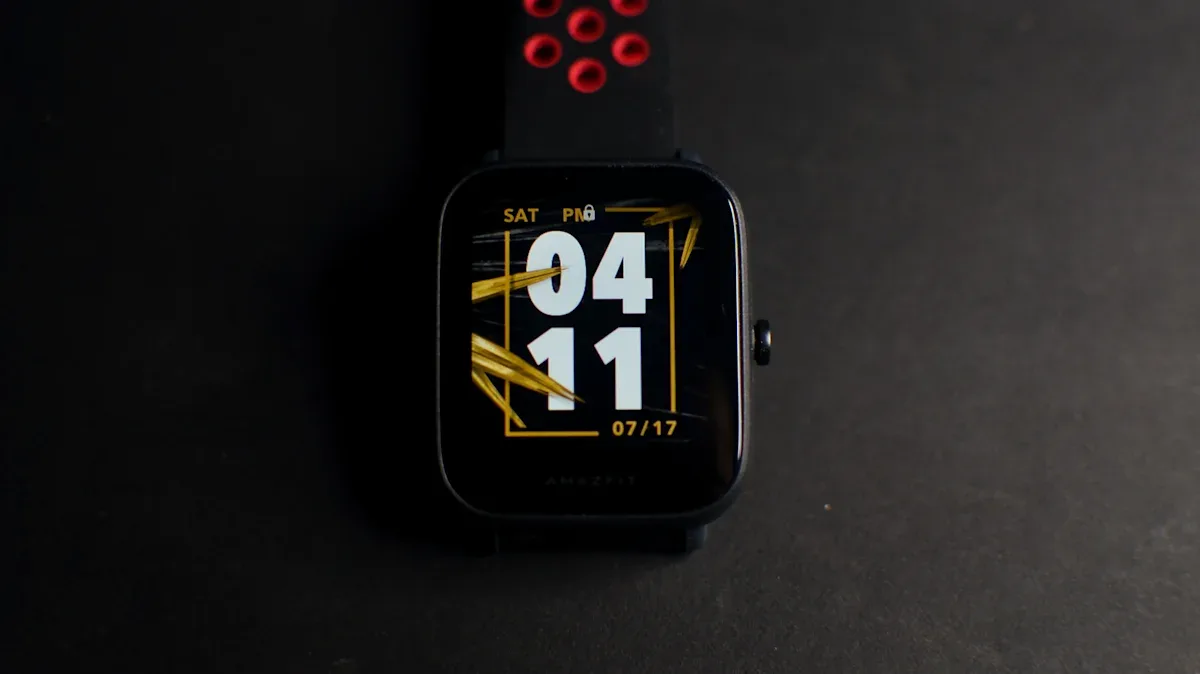
The premium smartwatch market is increasingly out of reach: the Apple Watch SE 3 starts at 249 US dollars, the Samsung Galaxy Watch FE around 175 US dollars, while flagship models such as the Apple Watch Series 12 and Google Pixel Watch 5 top 399–400 US dollars. Amid that price surge, Amazfit—a manufacturer under Zepp Health—offers five devices that prioritize health and fitness functions without forcing consumers to dig deep into their pockets.
Amazfit's move is not merely a price war. The Chinese company consistently packs in 24/7 heart rate monitoring, sleep tracking, built-in GPS, and long-term software support—features that are usually the main reason people buy a smartwatch. According to a number of user reviews, Amazfit is often called the best budget smartwatch brand because it manages to balance price and capability.
The newest model in the entry-level line is the Amazfit Bip 6. A 1.97-inch AMOLED screen, Bluetooth calling when connected to a phone, and more than 140 sport modes are its hallmarks. At 79 US dollars, the Bip 6 runs on Zepp OS and is compatible with both Android and iPhone—a value proposition that is hard to match. Consumer Reports even recommends it as the best budget Android smartwatch today. Its battery life reaches 14 days, far beyond most premium smartwatches that last only 1–2 days.
One step up, the Amazfit Bip Max arrives as a direct challenger to the Apple Watch Series 12 and Samsung Galaxy Watch 9. Released in mid-2026, the device is priced at only 100 US dollars—a quarter of its competitors' price. A 2.07-inch AMOLED screen, 4GB of storage for offline maps, and a battery of up to 20 days are its technical advantages. Although its look is fairly modern, the limited choice of premium straps may be a consideration for style hunters.
For fans of outdoor activities, the Amazfit T-Rex 3 Pro offers top-tier specifications: a titanium bezel, a 1.5-inch sapphire AMOLED screen with 3,000 nits of brightness, and battery life of up to 25 days. The 399 US dollar price is expensive by Amazfit standards, but still far cheaper than the Apple Watch Ultra 4 (799 US dollars) or the Garmin Fenix 9 (1,000 US dollars). The T-Rex 3 Pro also comes with a two-color flashlight with an SOS signal and 32GB of internal storage for offline maps.
"Amazfit is one of the underrated smartwatch brands that is able to compete with Apple," goes the assessment that has emerged from a number of wearable observers, referring to Zepp Health's increasingly aggressive product line.
In the mid-range segment, the Amazfit Active Max offers a round design that feels premium at 170 US dollars. The device targets users who are serious about working out: more than 170 workout modes, free map access, and Zepp Coach—an AI-based training program that adjusts the plan to daily performance and recovery. That price undercuts competitors such as the Garmin Forerunner 265 (450 US dollars) and Forerunner 70 (250 US dollars) by a wide margin.
Finally, the Amazfit Helio Strap targets users who want extreme simplicity. With no screen at all, the device is priced at 99 US dollars and competes with the Fitbit Air (100 US dollars) and the Garmin Cirqa Smart Band (200 US dollars). The Helio Strap relies on 24/7 health tracking from Zepp Health and a 10-day battery. For beginners who just want to monitor daily steps, body rhythm, and AI-based nutrition insights, this device can be an entry point that does not drain the wallet.
Indonesian Context
In Indonesia, the wearable market is growing rapidly along with rising health awareness after the pandemic. However, people's purchasing power for premium gadgets is still limited. Amazfit's presence at under Rp1.5 million for the Bip 6 (equivalent to 79 US dollars) could potentially shift the dominance of the big brands that have long controlled electronics store shelves. Local importers and distributors need to pay close attention to this pricing strategy, especially since health features such as sleep and heart rate monitoring are now a major draw for urban consumers.
The question is, can Amazfit maintain its price advantage while improving the quality of after-sales service in Indonesia? If so, the national smartwatch market landscape could change significantly in the next two to three years—with consumers as the party that benefits most.