Philips Accused of Deliberately Making Chargers Incompatible to Sell New Shavers
Baca dalam 60 detik
- Dua alat cukur Philips yang dibeli terpisah dua tahun memiliki port pengisian berbeda meski bentuknya nyaris identik.
- Keputusan desain ini dinilai memperkuat dugaan planned obsolescence yang membebani konsumen dan lingkungan.
- Regulasi USB-C yang mulai berlaku di Eropa dan India dapat memaksa produsen mengubah praktik konektor proprietary.
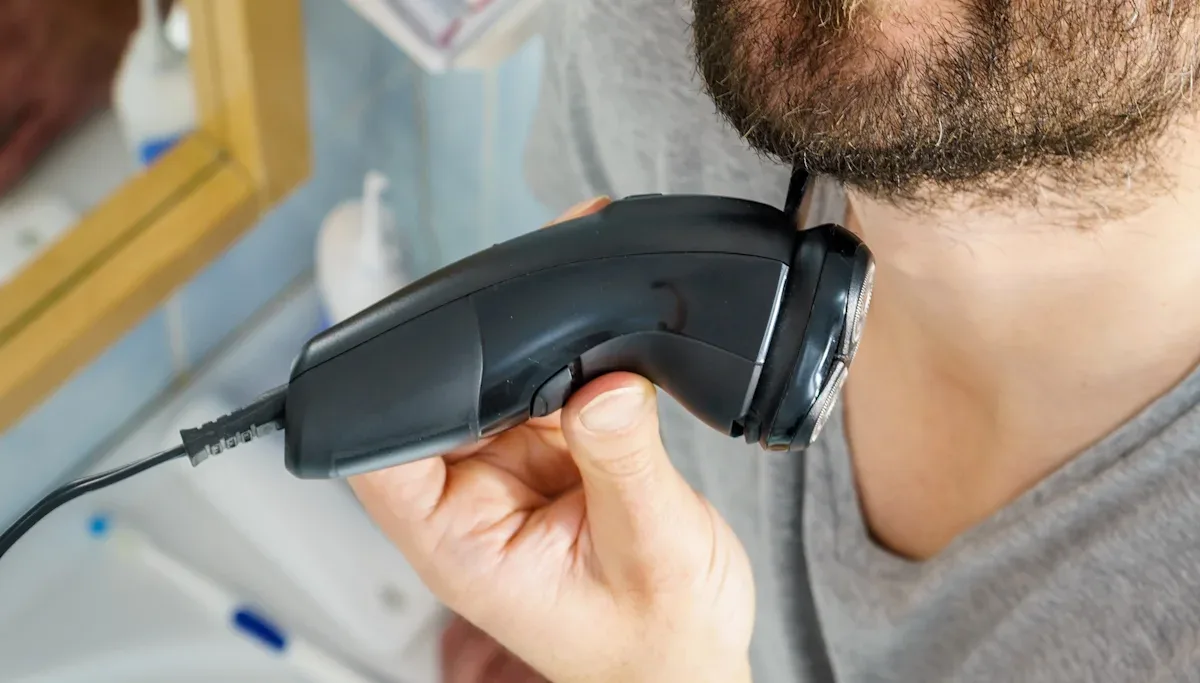
A Reddit user sparked widespread debate after posting photos of two Philips shavers he bought two years apart. Although the two devices look almost identical, their charging cables cannot be swapped. The key difference lies in a small piece of plastic inside the connector housing—square on one unit and round on the other—that blocks charging ports that are otherwise nearly identical.
In a post on the r/mildlyinfuriating forum, the account owner wrote, "I bought these two shavers two years apart, but they are not compatible with each other. What is the point of this?" The complaint immediately drew responses from hundreds of commenters who judged the incompatibility to be not a technical necessity but a strategy to push new device purchases.
One commenter said there is no reasonable reason for a company to make a proprietary connector every two years other than to sell replacement cables at higher prices. Another commenter added that manufacturers hope consumers will find it too much trouble to look for a replacement cable and choose to buy a new device instead. Criticism sharpened because one of the cables shown already uses USB-A on one end, making the proprietary end that plugs into the shaver seem even less justifiable.
However, not all discussion participants saw this design decision as purely anti-consumer. One commenter argued that because the shaver is designed to be waterproof, the special connector may be intended to reduce the risk of damage if water reaches the charging area. This argument drew attention, though it did not fully dampen the criticism. After all, the USB-C standard is now widely used on devices that are also waterproof, including phones and smartwatches.
"This can and should use USB-C," wrote one commenter, summarizing the dominant frustration in the discussion.
The impact of such a design does not stop at consumers' wallets. If the charger is lost, damaged, or discontinued, a shaver that still works well can immediately become useless. The device could end up in the trash and become electronic waste at a landfill. Instead of replacing a cheap cable, consumers may be forced to buy a new device complete with packaging and additional accessories, simply because the original charger is hard to find.
Some users said they sought a way out by buying USB-C adapters or modifying their chargers so the devices could be used again. However, such patchwork solutions only confirm a compatibility problem that should not have existed in the first place. This practice also runs counter to an industry trend increasingly moving toward connector standardization to reduce electronic waste.
In the Indonesian context, this issue is relevant to growing consumer awareness of electronic products that are easy to repair and long-lasting. Regulations on universal charging standards are being discussed in various countries, including in the European Union through USB-C rules that are starting to apply to a number of device categories. If similar policies are adopted more widely, manufacturers such as Philips could be pushed to change their connector designs. On the other hand, Indonesian consumers who still rely on imported products need to be more careful in checking accessory compatibility before buying, especially for personal care devices that are often treated as disposable items.
Philips itself previously took a different step by providing free 3D-printed replacement parts to extend the service life of its small devices. That step showed that manufacturers are actually capable of implementing more repair-friendly designs if they want to. The question now is whether public pressure and regulation will be strong enough to drive permanent change, or whether consumers must keep adapting to connectors that change every two years?