Suyudi Ario Seto Overhauls 88 Senior and Mid-Ranking Police Officers in 48 Hours, 19 Regional Police Chiefs Replaced
Baca dalam 60 detik
- Kapolri Jenderal Suyudi Ario Seto memutasi 88 perwira tinggi dan menengah hanya sehari setelah dilantik, termasuk mengganti 19 kapolda.
- Langkah kilat ini diyakini sebagai konsolidasi internal untuk menempatkan orang-orang kepercayaan di posisi strategis, terutama di wilayah rawan konflik dan pusat ekonomi.
- Publik menanti apakah rombakan besar-besaran ini berdampak pada perbaikan kinerja, penegakan hukum, dan pelayanan kepolisian di daerah.
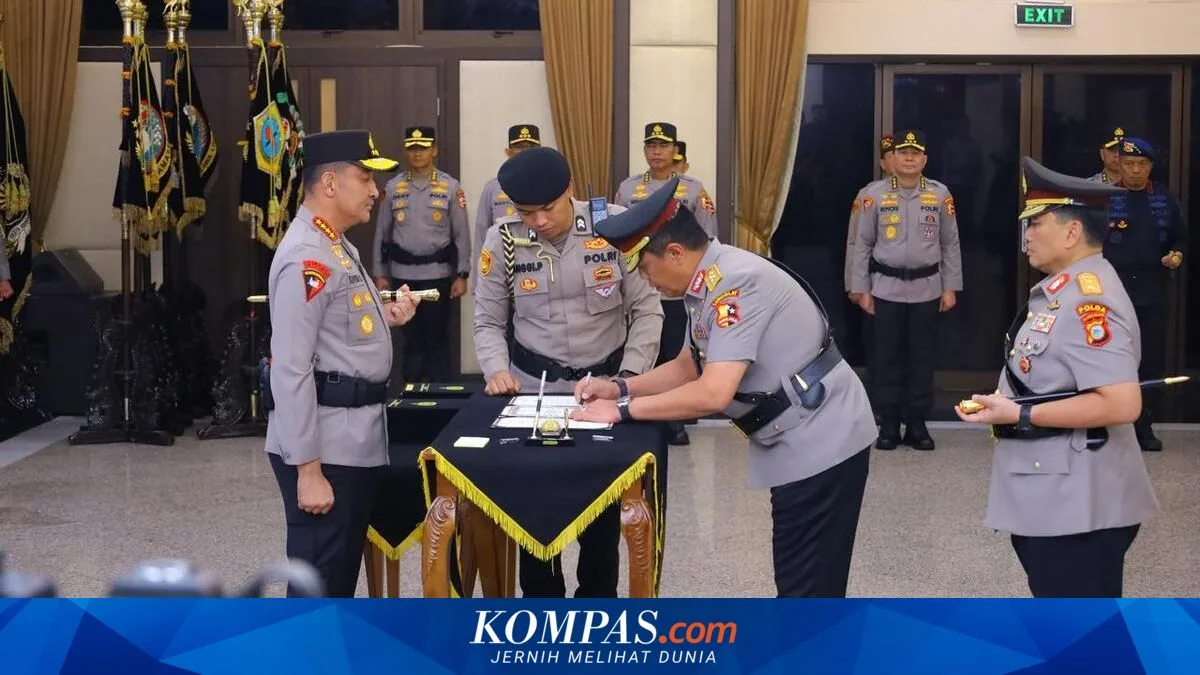
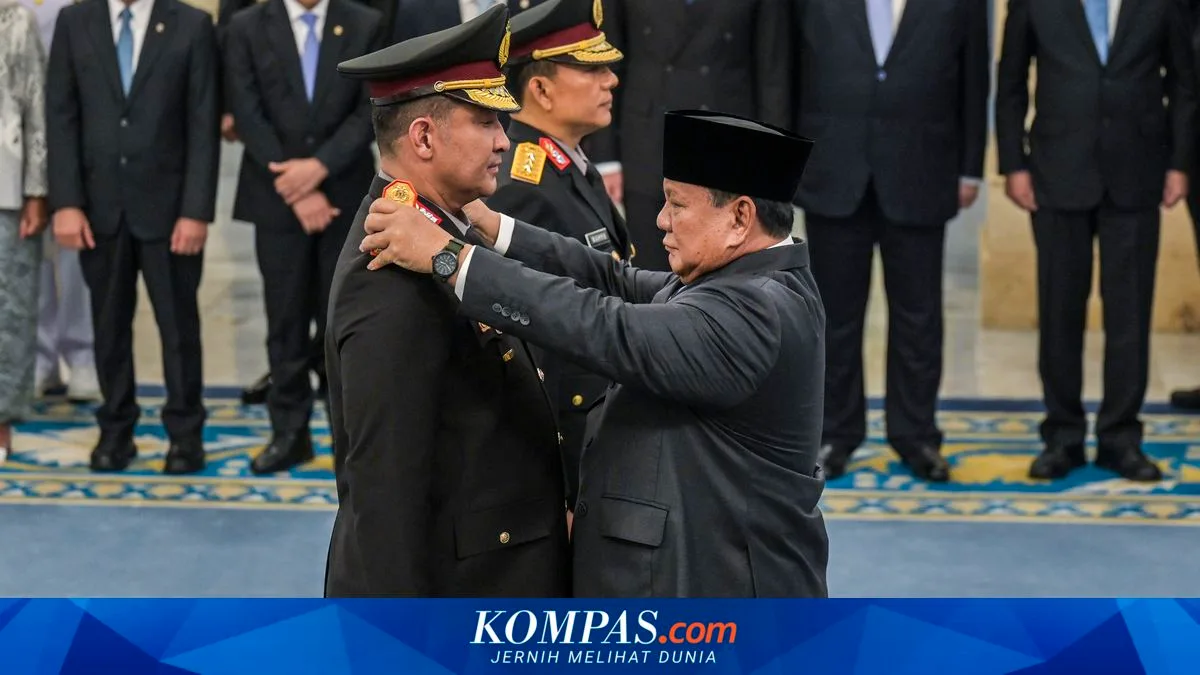
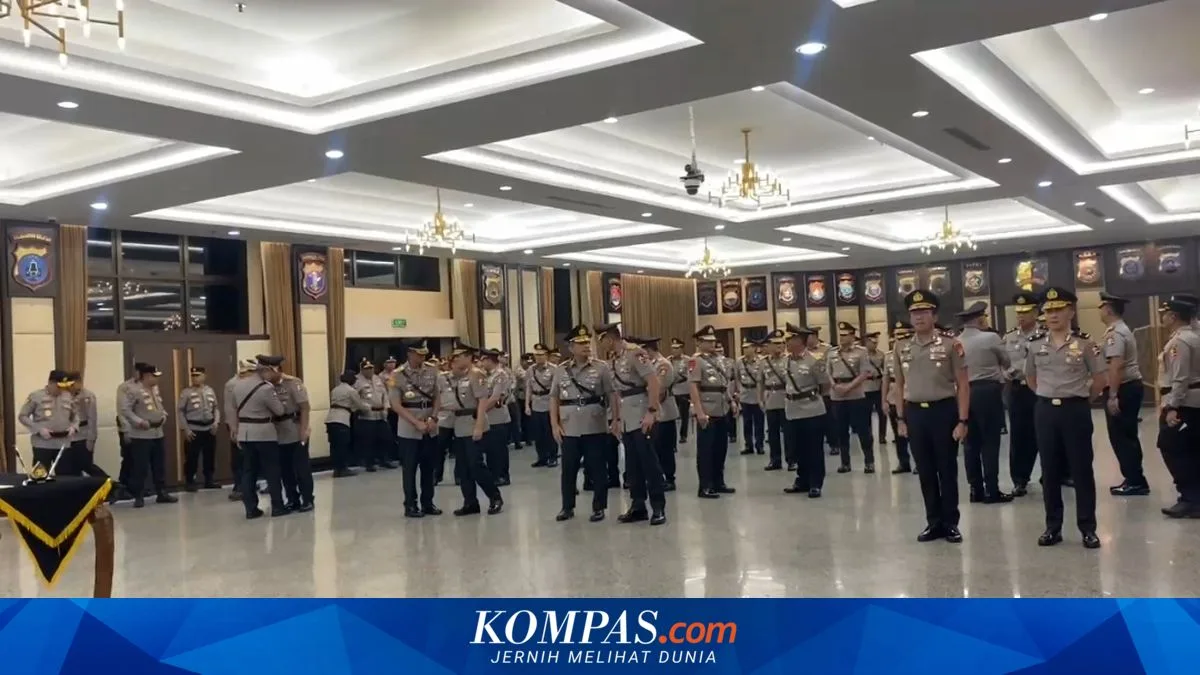
Jakarta — National Police Chief General Suyudi Ario Seto did not wait long to cement control over the institution he has just begun to lead. Only a day after his inauguration on 1 October 2026, he signed National Police Telegram Letter Number ST/2205/X/KEP./2026 dated 2 October 2026, which contains the reassignment of 88 senior officers (pati) and mid-ranking officers (pamen). A total of 19 regional police chiefs were replaced, and 27 senior officers were inaugurated on the night of 3 October 2026. The maneuver is one of the fastest overhauls in the history of the National Police, marking the start of a new chapter of leadership after Listyo Sigit Prabowo.
The sweeping changes touched key positions, from agency heads to regional police chiefs in a number of provinces. The Head of the Criminal Investigation Agency (Bareskrim), Comr. Gen. Syahardiantono, was replaced by Insp. Gen. Asep Safrudin. The reassignment did not only target structures at National Police Headquarters but also redrew the command map in regions that have long served as barometers of security stability, such as West Java, East Java, North Sumatra, and South Sulawesi. A number of figures who previously served as regional police chiefs have now received new assignments, while several officers who had been posted to expert staff roles were pulled into operational positions.
The Head of the Public Information Bureau of the National Police Public Relations Division, Brig. Gen. Trunoyudo Wisnu Andiko, stressed that the accelerated reassignment was aimed at improving the institution's response to public needs. According to him, the National Police Chief emphasized the principle of "Polri Bersama Masyarakat" (The Police Together with the Community) as the foundation for carrying out its duties. "This speed is in line with public expectations regarding the dynamics that are needed," Trunoyudo said at the Rupatama Building at National Police Headquarters, Jakarta, on Saturday night (3/10/2026). The statement implies that the overhaul is not merely a routine rotation but an effort to rebuild public trust in the police.
Although the official reason emphasizes the service aspect, a number of observers see the maneuver as a step toward internal consolidation. By replacing nearly all regional police chiefs in densely populated areas and centers of economic growth, Suyudi has the opportunity to place people who align with his vision. This matters because regional police chiefs hold control over security operations, the handling of social conflicts, and coordination with local governments. On the other hand, a large-scale reassignment in a short time risks causing turbulence within the corps, especially if it is not followed by thorough socialization and placements that match competence.
For the public, what is most awaited is the tangible impact of these replacements. So far, a number of regional police chiefs have faced scrutiny over the handling of corruption cases, agrarian conflicts, and protests. The arrival of new faces is expected to bring breakthroughs in fair law enforcement, transparency, and a humanist approach. However, that expectation needs to be tested against clear indicators, for example a decline in the number of violations by officers, faster resolution of public reports, and a rising public satisfaction index for police services.
"The speed is in line with public expectations regarding the dynamics that the public needs from the National Police; this is also one way to answer the public's challenges." — Brig. Gen. Trunoyudo Wisnu Andiko, Head of the Public Information Bureau of the National Police Public Relations Division
From a governance perspective, a sweeping reassignment within 48 hours is indeed administratively efficient, but it demands clarity in policy direction. Without a measurable reform framework, rotation will only become a cycle of replacing officials without systemic improvement. Therefore, the public and the DPR have the right to demand an explanation of the placement criteria, the evaluation mechanism, and the performance targets assigned to the new officials. Transparency in the selection process is also key to preventing the impression of politicizing the institution.
Going forward, Suyudi's biggest challenge is not merely rearranging command seats but ensuring that every officer inaugurated is able to translate instructions into action in the field. Will this overhaul become a turning point for National Police reform, or merely a change of faces without substantial change? In the coming months, the public will judge by the cases that are handled, not by the list of names circulating in the telegram letter.