PSIM Yogyakarta Lays Out Career Map Behind the Scenes of Professional Football
Baca dalam 60 detik
- Manajemen PSIM Yogyakarta menyambangi ITB untuk memaparkan lini pekerjaan non-pertandingan yang menopang operasional klub profesional.
- Klub menekankan kebutuhan talenta di bidang komersial, sponsorship, dan tata kelola sebagai penopang keberlanjutan industri.
- Kolaborasi kampus-klub dinilai menjadi jalur konkret menyiapkan generasi muda masuk ke ekosistem sepak bola nasional.
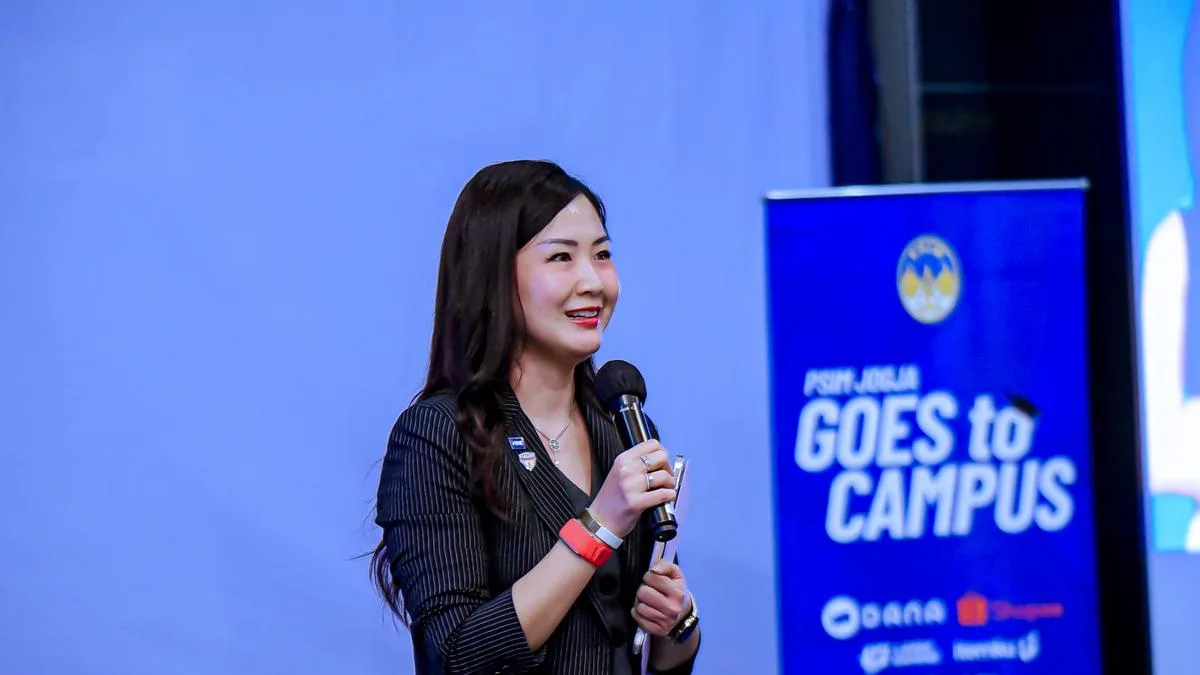
PSIM Yogyakarta management visited Institut Teknologi Bandung (ITB) on Tuesday (29/9/2026) to explain that the pulse of professional football is not determined only by players and coaches, but also by staff in business, marketing, sponsorship, operations, and management. Through the PSIM Goes to Campus program, Laskar Mataram pulled back the curtain on how a club is run behind the scenes.
PSIM President Director Liana Tasno said students' understanding of the football industry is still too narrow. According to her, many have yet to realize that a professional club needs human resources with a wide range of skills, from negotiating sponsor contracts to managing match logistics. "Hopefully activities like this can open perspectives and motivate fellow students to better understand and explore the various opportunities in the football industry," Liana said in her statement.
The PSIM delegation did not come alone. Liana was accompanied by Head of Football Operations Sucitra Cita and Commercial and Sponsorship Manager Halifa Difa. The three shared their experience on club governance, including how theory learned in lecture halls is translated into daily operational decisions. The presentation highlighted one rarely discussed point: the sustainability of a modern club rests on the ability to manage revenue, not merely on devising strategy on the pitch.
From the academic side, a representative of ITB's Football Science Course, Dr. Muhamad Fahmi Hasan, said interaction with practitioners provides added value that textbooks cannot replace. "This is a very good opportunity for us to learn directly from experts and practitioners in the football industry," Fahmi said. He added that case studies from professional clubs show real challenges in the world of work, so students do not only grasp concepts but also see how they are applied.
"We don't just get theory, but can also see and feel directly how it is applied on the ground." — Dr. Muhamad Fahmi Hasan, representative of ITB's Football Science Course
The Head of ITB's Sports Science Expertise Group, Prof. Tommy Apriantono, was also present. The presence of PSIM management was seen as giving students from various disciplines a broader perspective on football. So far, careers in the sports industry have often been perceived as only for those with playing talent. In fact, a professional club is a complex organization that demands expertise in accounting, law, communication, information technology, and sports psychology.
For PSIM, collaboration with campuses is a long-term investment. The club hopes to introduce football as a space for career development for the younger generation, while also broadening its talent base that understands the dynamics of the industry. This step aligns with the needs of Liga 1 clubs, which are increasingly required to meet better governance and commercialization standards, especially ahead of the implementation of stricter financial regulations.
If other clubs follow PSIM's lead in building bridges with campuses, it is not impossible that in a few years a generation of managers, data analysts, and sponsorship executives will emerge to strengthen the national football ecosystem. The question is whether such initiatives will become a systematic movement under the coordination of PSSI and the league operator, or remain dependent on each club's own awareness.