Fatum Betula: The Steam Horror Game That Turns PS1 Graphics Into Liminal Terror
Baca dalam 60 detik
- Fatum Betula, game horor surealis karya Bryce Bucher, memanfaatkan estetika PS1 untuk menciptakan rasa tidak nyaman yang mendalam.
- Dengan 10 akhir berbeda, game ini menawarkan eksplorasi non-linear yang menantang pemain untuk memecahkan teka-teki di lingkungan yang aneh.
- Kesuksesan game ini menunjukkan bahwa keterbatasan teknis dapat menjadi kekuatan dalam menciptakan pengalaman horor yang imersif.
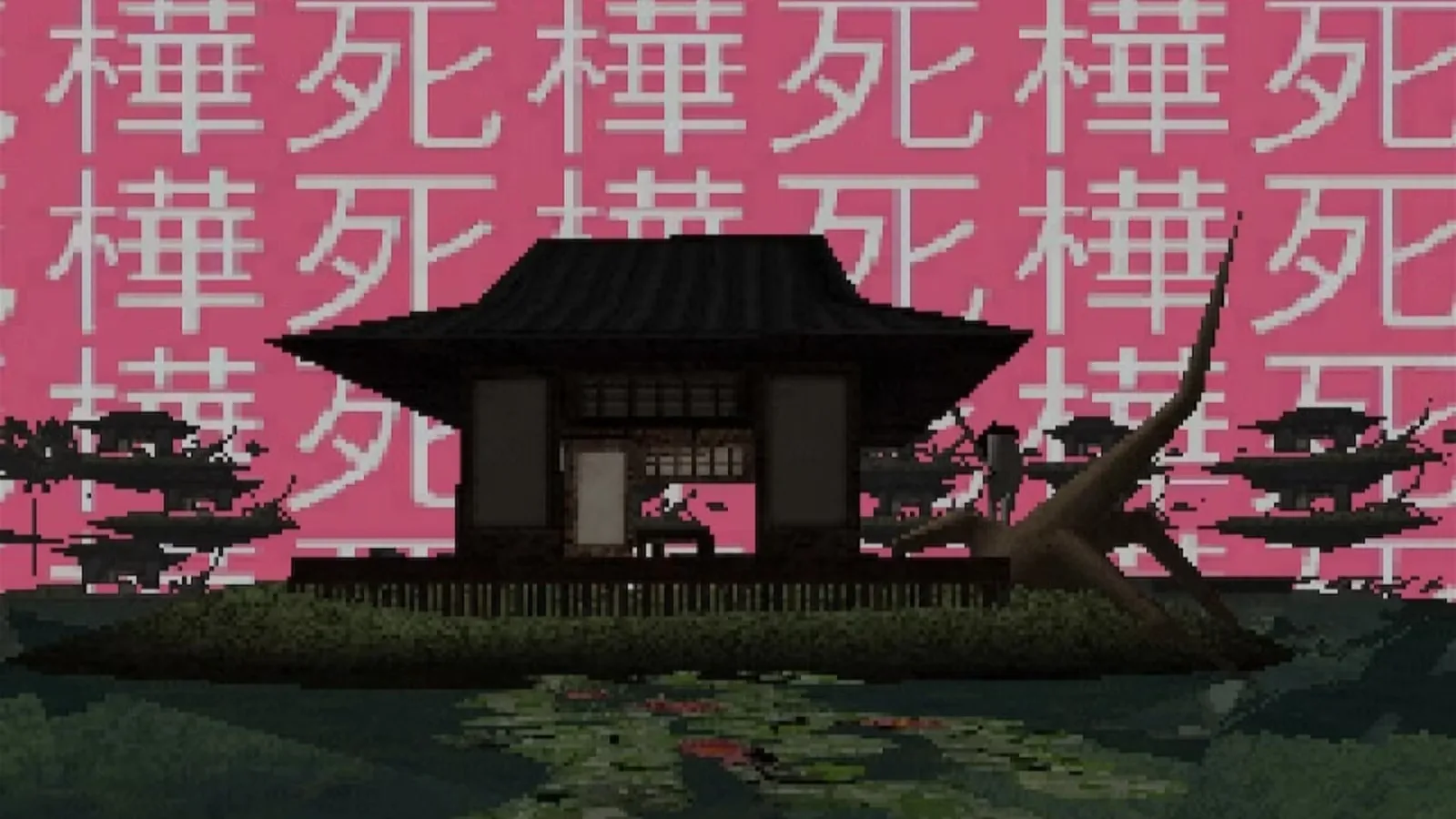
Amid a flood of horror games with photorealistic graphics, an indie game on Steam takes the opposite path: harnessing the graphical limitations of the PlayStation 1 era to build terror that creeps in slowly. Fatum Betula, the work of solo developer Bryce Bucher released in 2020, proves that empty spaces with coarse polygons and shimmering textures can be far more terrifying than high-detail monsters.
The game centers on a simple mission: tending an ancient birch tree that holds the fate of the world. But the player's journey is not that simple. They explore a surreal world inhabited by strange characters, such as a hand-faced anglerfish or a doppelgänger that must be sacrificed. Every decision carries consequences, with ten different endings depending on the player's choices. Instead of a linear campaign, Fatum Betula offers a fever dream full of cause and effect.
What makes this game stand out is its ability to turn technical limitations into a strength. Stiff polygon models and rooms that feel empty actually give players' imaginations room to fill the void. In a 2021 interview with Vice, Bucher said the fifth-generation aesthetic "is suited to creating environments that force the player to interact, not just serve as a backdrop." This philosophy is felt in every corner of the game, where visual simplicity actually strengthens the chilling atmosphere.
Fatum Betula is often compared to LSD: Dream Emulator, the 1998 PlayStation game that takes players into a surreal dream realm. But while LSD simply lets players wander, Fatum Betula builds a structured adventure on top of similar disorientation. Its environments function as puzzle pieces that slowly reveal spaces far stranger than they appear. One of the most frightening areas is Suburbia, a pocket of domestic normality trapped in a trippy world. Carpets, patterned wallpaper, and the static light of a TV initially provide comfort, but the prolonged silence turns it into a confusing liminal tomb.
The parallel with the Backrooms is unavoidable. The internet phenomenon that began with an endless yellow room has become a universal language for the terror of being trapped in an ordinary space that feels wrong. Fatum Betula touches the kenopsia effect—the atmosphere of abandoned places that were once busy—on the human mind. Both Kane Parsons' Backrooms version and the original phenomenon explore the same discomfort with architecture that has lost its original purpose.
"The fifth-generation aesthetic is suited to creating environments that force the player to interact, not just serve as a backdrop," said Bryce Bucher in a 2021 interview with Vice.
For horror fans in Indonesia, Fatum Betula offers an experience different from mainstream horror games. Amid the popularity of games like Resident Evil or Outlast that rely on jumpscares and advanced graphics, Fatum Betula's minimalist approach instead recalls the power of story and atmosphere. The game is also relevant to the trend of horror content on platforms like YouTube and TikTok, where atmosphere-driven scary stories are increasingly in demand. Indonesian indie developers can learn that limited resources are not a barrier to creating evocative work.
Fatum Betula is proof that horror games do not need high-resolution textures or elaborate monster designs. Sometimes, all that is needed is an empty room, strange sounds, a handful of polygons, and the suspicion that something is waiting beyond the edges of the game. It is a love letter to an era when game worlds were small enough to feel mysterious—and rough enough to let the imagination run wild. Will more developers follow in Bucher's footsteps, turning limitations into a source of horror?