Said Aqil Siroj Joins Wantimpres, Vows to Give Prabowo 'Honest and Objective' Advice
Baca dalam 60 detik
- Said Aqil Siroj resmi dilantik sebagai anggota Dewan Pertimbangan Presiden dan berkomitmen memberi masukan tanpa basa-basi kepada Prabowo Subianto.
- Latar belakang dua periode kepemimpinan PBNU dan pengalaman di MPR serta BPIP menjadi modal utamanya menjembatani kepentingan lintas kelompok.
- Komposisi Wantimpres yang mencakup Sinta Nuriyah hingga Rocky Gerung menandakan strategi Prabowo merangkul spektrum luas, namun efektivitasnya masih dipertanyakan.
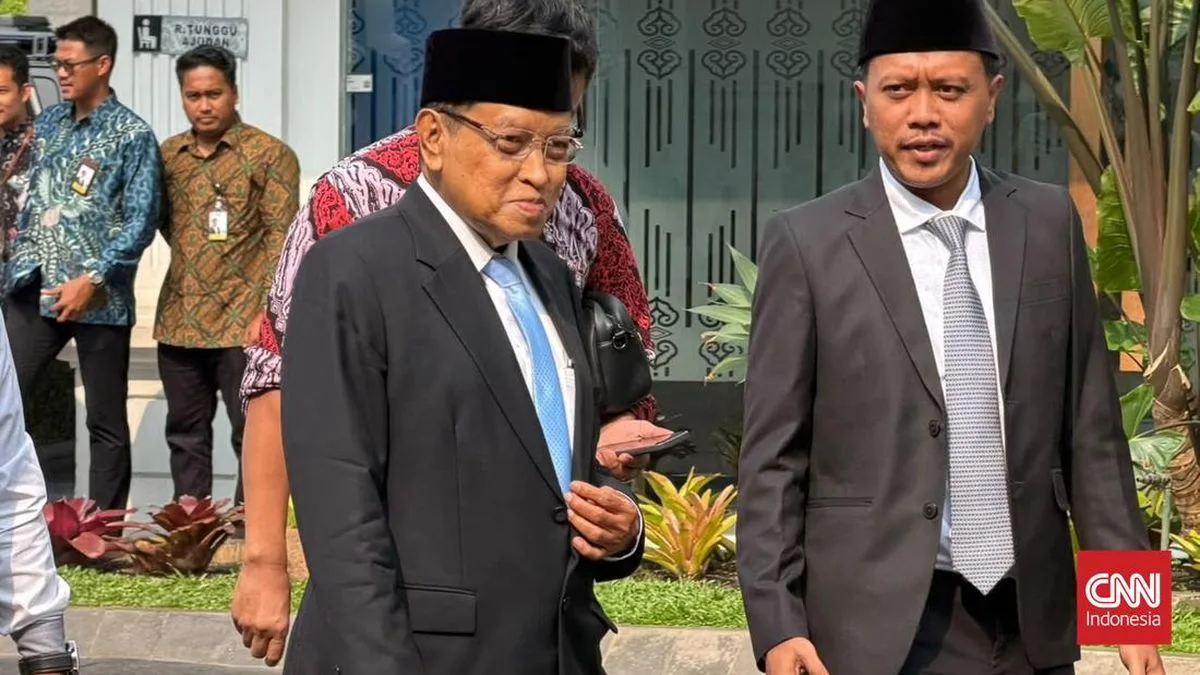
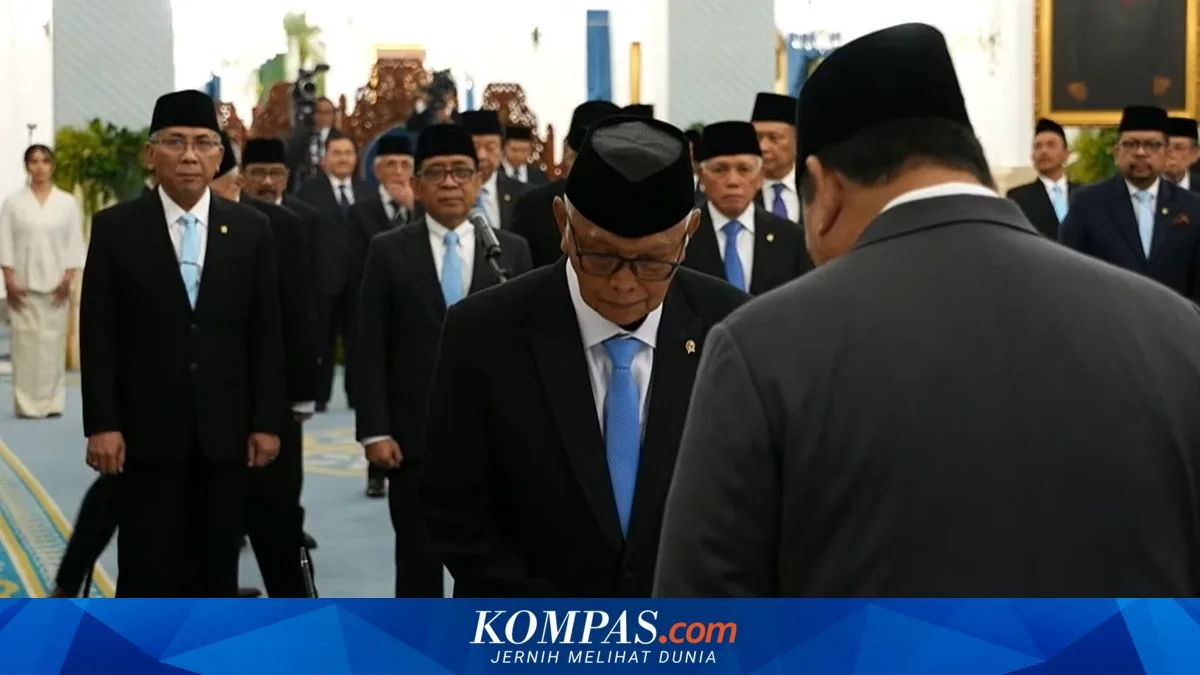
Former chairman of the Nahdlatul Ulama Central Board (PBNU) Said Aqil Siroj has officially become a member of the Presidential Advisory Council (Wantimpres) after being inaugurated at the Presidential Palace in Jakarta on Friday (2/10). In his first statement after the inauguration, he stressed he would not offer sweet-talk to President Prabowo Subianto. "I will convey it to the President honestly, objectively, and constructively," he said, underlining that his new position is not a tool for seeking popularity.
The statement was not merely inauguration rhetoric. Said Aqil is aware that Wantimpres is often seen as a body that only legitimizes presidential policy without meaningful corrective power. He therefore said he would highlight a number of the nation's strategic issues, from strengthening national unity, religious and national life, education, to the economy. But he also added that he would adapt to the President's needs and direction. This combination of a critical stance and loyalty to the president's direction will be the first test of his credibility.
Said Aqil's track record is considered relevant for this position. His personal secretary, M. Sofwan Erce, said Kiai Said's long experience in communicating with diverse groups of society would be a valuable asset. According to Sofwan, one idea Said Aqil has consistently carried is the importance of nurturing a harmonious relationship between Islamic values and national identity. "Islam and national identity are not things that must be set against each other," Sofwan said, citing Said Aqil's view that Islamic values can in fact strengthen unity, tolerance, and democracy.
In the context of Indonesia, which is facing challenges of social polarization and often heated political dynamics, a figure like Said Aqil is indeed needed as a bridge. But the question is, how much room will the President give to accommodate advice that does not align with the policy line? Wantimpres is constitutionally only authorized to give advice, with no executive power. History shows this body has more often been a place to position political figures than a center for strategic decision-making.
"Indonesia is a very large and diverse nation. Therefore, a broad perspective, dialogue, and an attitude capable of bridging various interests are needed." — M. Sofwan Erce, Personal Secretary of Said Aqil
The new composition of Wantimpres is also worth noting. Besides Said Aqil, there is Sinta Nuriyah Wahid, wife of the 4th President Abdurrahman Wahid, as well as Rocky Gerung, an academic known for vocally criticizing the government. The presence of figures with different backgrounds can be read as Prabowo's effort to broaden his support base while dampening criticism from various quarters. But without a clear mechanism to follow up on recommendations, the risk of Wantimpres again becoming merely a ceremonial forum remains open.
Going forward, the public will wait to see whether Said Aqil is truly able to voice unpopular but necessary advice, or whether he will instead be absorbed into the logic of palace bureaucracy. If he is consistent with his promise, Wantimpres could function as a space for dialogue that makes democracy healthier. Conversely, if critical advice only stops in meeting rooms without policy implications, then the hope for improved governance will remain mere discourse. Can Wantimpres prove itself to be more than a complement to power?