FAA Says Boeing 737 Max 10 Software Glitch Is Not a Flight Safety Threat
Baca dalam 60 detik
- FAA memastikan masalah perangkat lunak pada komputer penerbangan Boeing 737 Max 10 tidak membahayakan keselamatan, membuka jalan sertifikasi varian terbesar keluarga Max.
- Maskapai AS dapat mengoperasikan pesawat dengan versi software lama, sehingga operasional harian tidak terganggu.
- Keputusan ini menjadi krusial bagi Boeing yang tengah mengejar izin terbang Max 10 dan Max 7, serta bagi pasar aviasi global termasuk Indonesia.
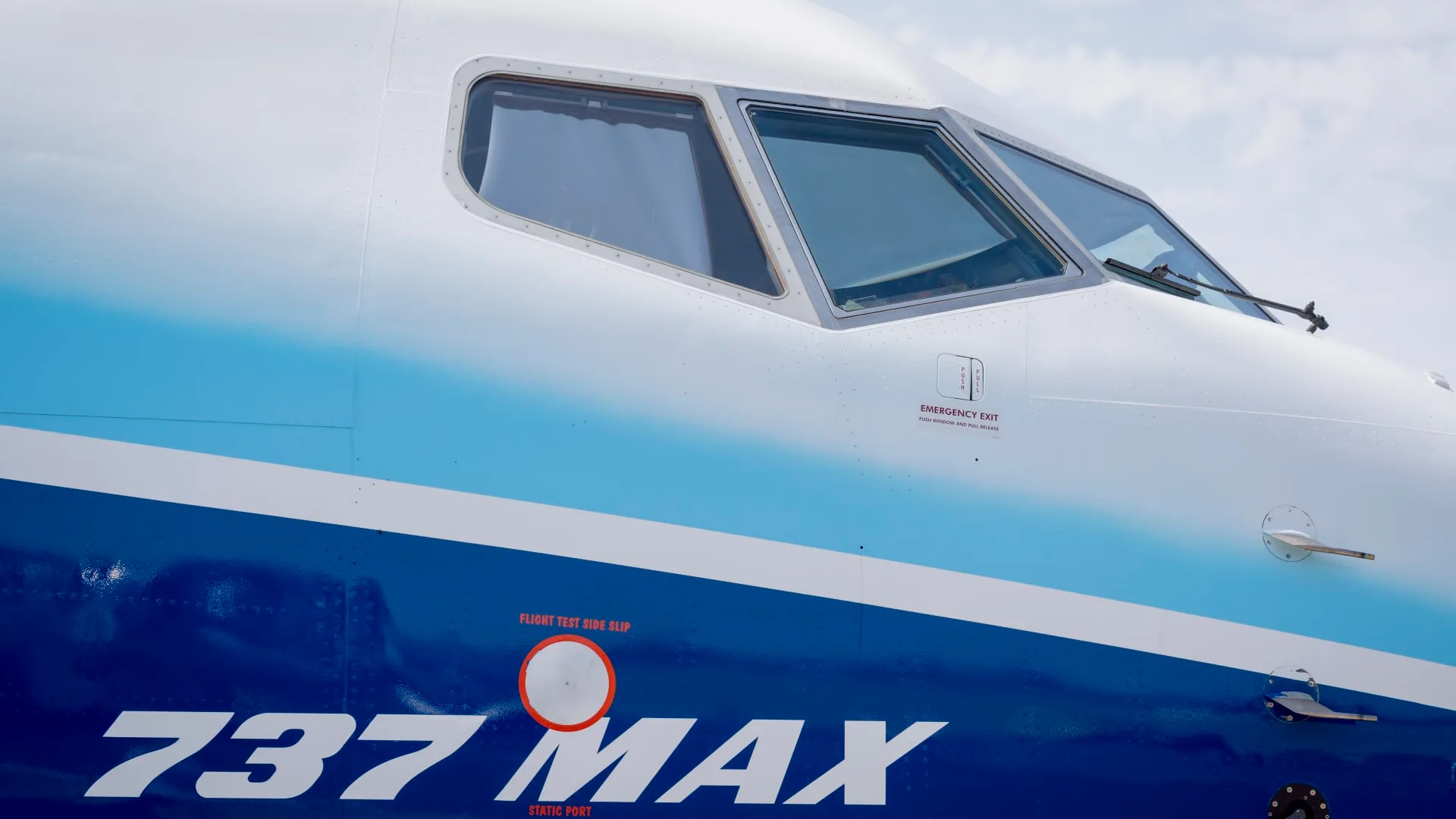
The U.S. Federal Aviation Administration (FAA) has affirmed that the software glitch found in the flight computers of several Boeing 737 Max aircraft is not a flight safety issue. The decision was announced on Friday (2/10/2026) after an FAA expert panel conducted a thorough review, and it is a positive signal for Boeing's effort to secure certification for the largest variant, the 737 Max 10.
Previously, Boeing reported a bug that could potentially affect certain landing procedures. The FAA had opened an investigation earlier in the week to assess whether the issue fell into the safety of flight category. However, in its official statement, the FAA said pilots retain full control of the aircraft and the cockpit indicators are clear and unambiguous. "The FAA Corrective Action Review Board determined that this software issue is not a safety concern," the FAA statement read.
Nevertheless, the incident had raised major questions about the viability of the 737 Max 10 certification. Boeing and several airlines had hoped the variant could secure its flight clearance in early autumn this year. Now, with the FAA evaluation passed, the main obstacle appears to have been cleared. U.S. airlines themselves said they were unaffected because they can use an older software version. For Boeing, however, this certainty is crucial to maintaining its production schedule and delivery commitments to global operators.
Boeing explained that the technical issue could arise after a pilot performs a missed approach and changes a programmed flight path. The pilot is then required to take an additional step to use the automated tool on the next approach. Although this additional procedure is not complicated, concerns had arisen because it involves a critical system that controls landing maneuvers.
"The pilot retains full control and the indications to the flight crew are clear and unambiguous," the FAA said in its statement, as quoted by CNBC.
The FAA decision is also a breath of fresh air for Boeing, which is struggling to restore its reputation after a series of incidents and certification delays. The Max 10 variant is the largest aircraft in the 737 Max family and the last model awaiting the regulator's green light. Meanwhile, the Max 7—the smallest variant—was certified last August. For the global aviation industry, including airlines in Asia Pacific, the smooth certification of the Max 10 will affect fleet plans and medium-term flight capacity.
In Indonesia, several national airlines depend on Boeing 737 aircraft for domestic and regional routes. Although no Indonesian airline has officially confirmed an order for the Max 10, the development remains relevant because Lion Air and Garuda Indonesia are major operators of the Boeing 737 NG and Max 8. A delay or acceleration in certifying the Max 10 variant could affect fleet expansion strategies and ticket prices, especially amid the recovery of the tourism sector.
Going forward, attention will turn to Boeing's next move: whether it will soon submit the Max 10 for official certification with the FAA, and how European and Chinese regulators respond to this decision. If all goes smoothly, the Max 10 could enter commercial service in the near future, changing the competitive map in the narrow-body segment, which also includes the Airbus A321neo. However, the remaining question is how much public trust Boeing has after various technical controversies. Only time will tell, but the FAA has signaled that this aircraft is fit to fly.