Wildlife Week: Orangutan Rescued from Ketapang Forest Fires, Heaviest Bear to an Owl Drama
Baca dalam 60 detik
- Seekor orangutan dievakuasi dari area kebakaran hutan di Ketapang, Kalimantan Barat, setelah ditemukan berlindung di atas pohon dan kini menjalani perawatan intensif.
- Fat Bear Week ke-13 di Alaska memenangkan beruang bernama Backpack, mengalahkan juara bertahan Chunk dalam kontes kegemukan musiman yang jadi sorotan global.
- Kolonisasi Siamese crocodile di Kamboja dan pemulihan koloni tern di Inggris menunjukkan upaya konservasi berbasis masyarakat mulai membuahkan hasil nyata.
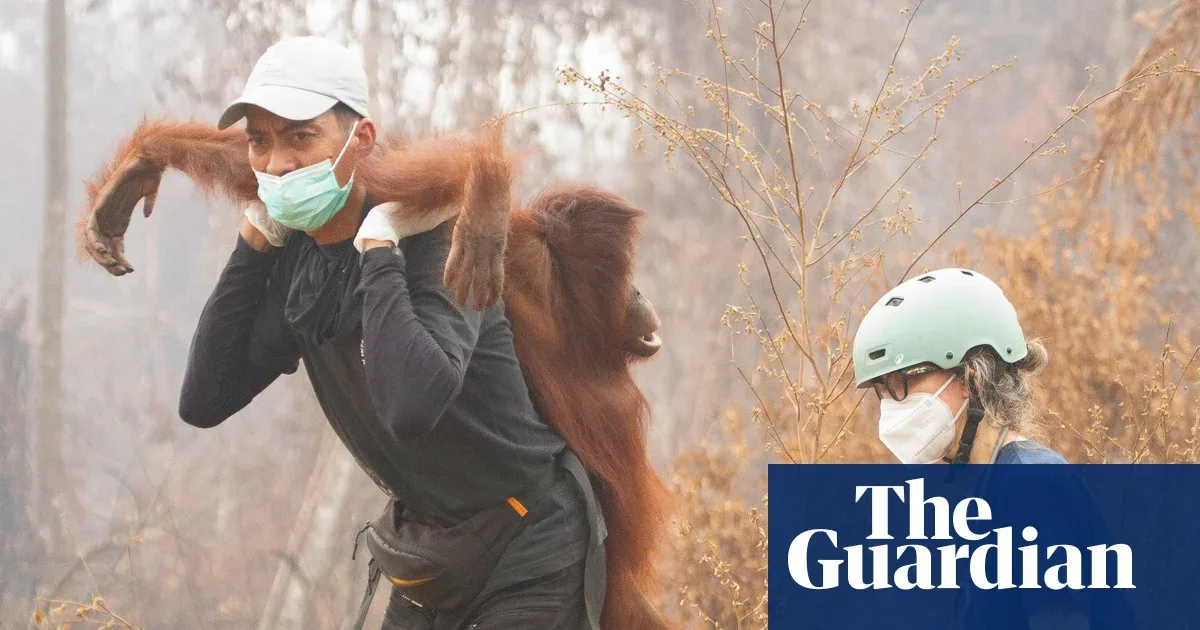
An orangutan in Ketapang, West Kalimantan, had to be moved from its habitat after forest and land fires swept through the area. A rescue team found the primate holding out atop a tree before it was finally evacuated and handed over to Yiari Indonesia for care. The incident is a reminder that forest fires do not only scorch vegetation, but also force endemic wildlife out of its living space.
The fires in Ketapang are not a single incident. Throughout the dry season, hot spots in Kalimantan and Sumatra keep recurring, driven by land clearing and extreme weather. The impact is layered: transboundary haze, economic losses, and direct pressure on an orangutan population that continues to shrink. Evacuating one individual does save a life, but it does not address the root of the problem.
Elsewhere in the world, public attention turned to the annual Fat Bear Week contest at Katmai National Park, Alaska. A brown bear named Backpack—officially registered as Bear 89—won the 13th competition after defeating a number of rivals, including Chunk, who previously held the title. Backpack is known as a calm bear that often clung to its mother's back, which is how the nickname stuck. The contest is not merely entertainment: it has become an effective conservation campaign tool for introducing the Katmai ecosystem to a global audience.
Meanwhile, in Cambodia, long efforts to conserve the Siamese crocodile have yielded a bright spot. In the 1990s, conservationists thought the species had gone extinct in the wild. Thanks to help from the indigenous Chorng community, the last population was found and now has a 315-hectare protected area in Pursat Province, at the northern tip of the Cardamom Mountains. The community's head warden, Sim Khmao, released a crocodile back into Chhay Reap as part of the recovery program. This community-based approach shows that conservation involving local residents tends to be more sustainable than a model that excludes them.
"There is nothing more joyful than seeing a patient return to the wild, but there is something very special about an animal you raised from a few days old," said Lawrie Brailey, operations manager at South Essex Wildlife Hospital, as quoted from the source.
In England, the National Trust reported signs of recovery in the tern colony on the Farne Islands, Northumberland, after years of being battered by bird flu, flooding, and increasingly unpredictable weather. The news is an oasis amid a declining trend in seabird populations in northern Europe. However, the recovery remains fragile and heavily dependent on long-term climate stability.
From South America, a fire in Cacau Pirêra, Brazil, burned more than 700 hectares. A total of 35 firefighters and 15 vehicles were deployed, using more than 150,000 liters of water. One officer was seen evacuating a reptile from the burning area—a sight that underscores how the climate crisis now demands increasingly frequent wildlife rescue responses.
Back in Indonesia, the orangutan evacuation in Ketapang should trigger a policy review. So far, law enforcement against illegal land clearing remains weak, while corporations and smallholders alike are driven to clear land by burning because it is considered cheap. Without alternative incentives and strict oversight, wildlife evacuations will continue to be an expensive and unsustainable emergency solution.
The question is whether local and central governments will use this incident as momentum to strengthen habitat protection, or wait for the next dry season to react. Without structural steps, the story of an orangutan rescue will only become seasonal news that repeats every year.