One EV Sold Every 100 Seconds in Australia: Market Boom and Lessons for Indonesia
Baca dalam 60 detik
- Penjualan kendaraan listrik di Australia melonjak 117% pada semester I-2026, dengan total 157.957 unit—setara satu unit terjual setiap 100 detik.
- Standar efisiensi kendaraan nasional menjadi katalis utama, menekan harga dan memperbanyak pilihan model hingga mendekati 200 varian.
- Transisi masih timpang: bus dan mobil listrik melaju pesat, sementara truk dan van listrik tertahan di bawah 1% pangsa pasar.
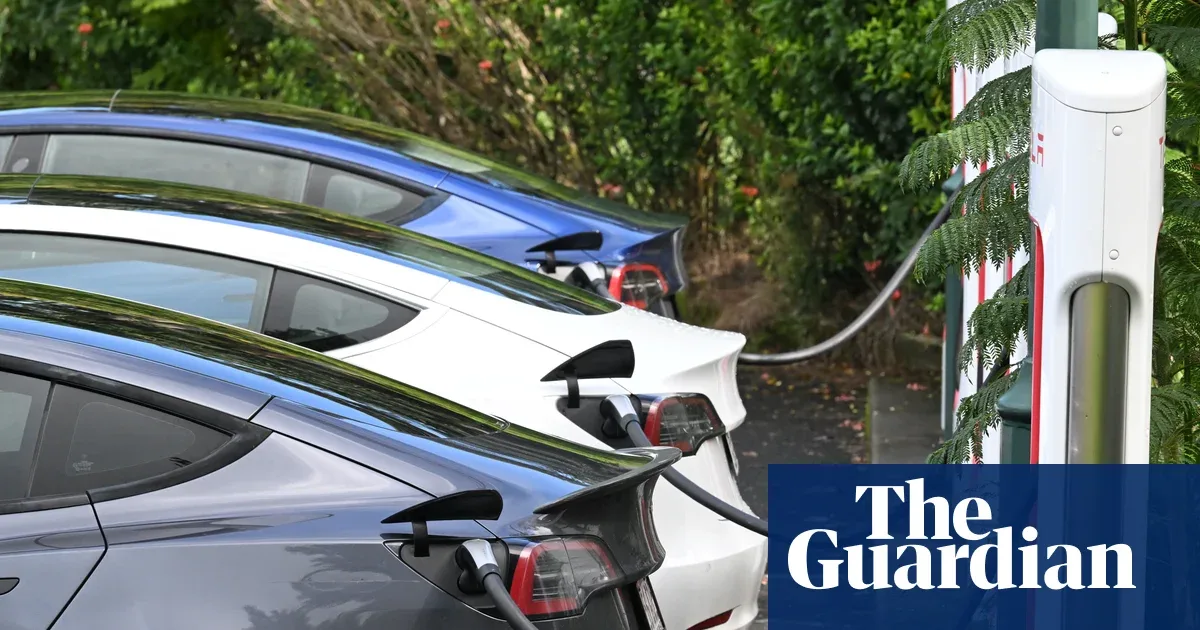
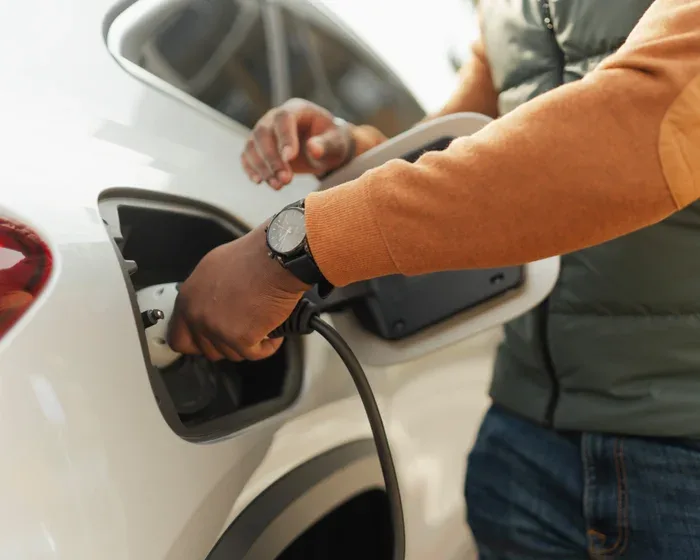
Australia recorded a record for electric vehicle (EV) sales in the first half of 2026. A total of 157,957 EV units were sold between January and June—up 117% compared with the same period last year, or the equivalent of one unit sold every 100 seconds. The figure places EVs as one of every four new vehicles hitting Australian roads.
The State of EVs report released by the Electric Vehicle Council notes that the surge occurred while sales of petrol and diesel vehicles actually shrank 14% year-on-year. “EVs are now a household instrument for cutting the cost of living,” said the council's CEO, Julie Delvecchio. She added that the fuel crisis accelerated the trend but was not its initial trigger. “That crisis only underscored the value of policy work already under way—cheaper operating costs and energy resilience are being felt directly by Australian households.”
Of the total, around 104,000 units were pure battery electric vehicles, while 54,000 units were plug-in hybrids. As of June 2026, Australia's EV population reached 612,000 units. The Electric Vehicle Council's head of policy and advocacy, Aman Gaur, is optimistic that the target of one million EVs on Australian roads next year will be met. “We are on track,” he said.
The main driver of the surge is the national vehicle efficiency standard, which requires manufacturers to supply vehicles with an average emissions target per kilometre. According to Gaur, the regulation “substantially increases choice and price competitiveness of EVs.” The Electric Vehicle Council is now urging the federal government to extend the standard beyond 2029 so it aligns with the 2035 emissions reduction target.
Although the market for electric cars and buses is soaring, the electric truck and van segment still lags. Their sales have yet to break 1% of their respective markets. “Every electric truck is an increase in Australia's energy resilience,” Delvecchio stressed. “We have only just scratched the surface of this transition.”
On policy, the report rates the federal government, the ACT, and NSW as “top class”, while South Australia, Queensland, Tasmania, and the Northern Territory have actually gone backwards. Gaur highlighted Queensland's recent move to invest in 630 diesel buses. “Those buses will be operating until the end of the next decade and are certain to pollute Brisbane's air when the Olympics are held,” he said.
“We have only just scratched the surface of this transition. Every electric truck is an increase in Australia's energy resilience.” — Julie Delvecchio, CEO of the Electric Vehicle Council
Indonesian Context
The EV boom in Australia sends a strong signal to Indonesia, which is building its own electric vehicle ecosystem. Like Australia, Indonesia has an ambitious EV adoption target but still faces challenges in charging infrastructure and affordability. Consistent fiscal incentive policies and emissions standards are key. If Australia can push EV share to 25% in half a year, Indonesia has the potential to accelerate a similar transition—provided regulation is not half-hearted and infrastructure is sped up.
Another lesson: the transition must not focus only on private cars. The logistics and public transport sectors, such as trucks and buses, are actually major contributors to emissions. Australia is still grappling with this; Indonesia can take earlier steps by pushing electrification of commercial fleets and public transport. Without that, the net zero target could amount to mere talk.
Going forward, the question is no longer whether EVs will dominate, but how quickly the supporting ecosystem—from the charging network to battery supply—is ready to accommodate the surge. Australia has proven that a combination of policy and market demand can produce a major leap. Will Indonesia follow, or fall behind because of regulatory inconsistency?