Constitutional Court Orders Government to Mandate Color Labels on Food and Beverage Packaging
Baca dalam 60 detik
- Mahkamah Konstitusi memutuskan pelaku usaha harus mencantumkan label warna dan simbol pada kemasan produk yang mengandung gula, garam, dan lemak.
- Putusan ini mengubah tafsir Pasal 7 UU Perlindungan Konsumen dan Pasal 148 UU Kesehatan, memperkuat hak konsumen atas informasi gizi yang memadai.
- Pemerintah dan DPR kini dituntut segera menyusun aturan teknis, sementara industri makanan dan minuman menghadapi biaya penyesuaian kemasan.
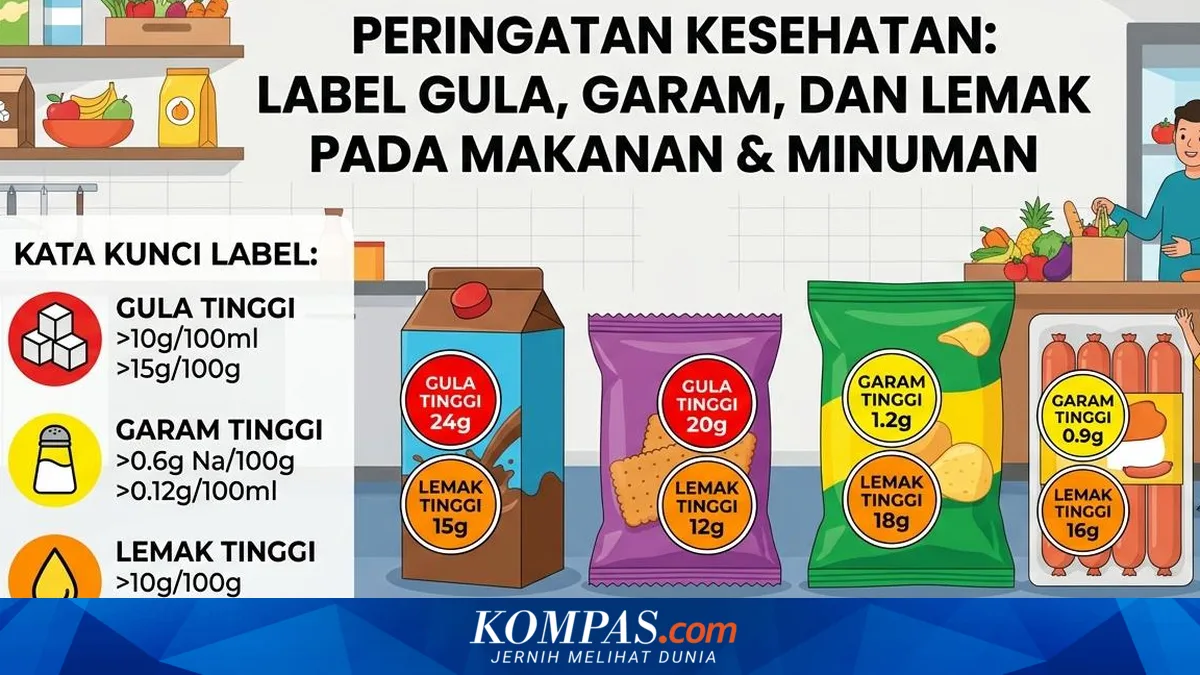
The Constitutional Court (MK) ordered the government to require businesses to include color labels and symbols on the packaging of food and beverages containing sugar, salt, and fat (GGL). The ruling was read out at a hearing on Tuesday (29/9/2026) in Case Number 110/PUU-XXIV/2026 filed by Imamudin and Andru Steven.
In its considerations, Constitutional Court Justice Guntur Hamzah stressed that labeling standards are an important instrument for shaping more educated consumption behavior. "The establishment of labeling standards that enable consumers to recognize and understand the sugar, salt, and fat content is one of the instruments for shaping more educated consumption behavior," Guntur said.
The Constitutional Court found that Article 7 letter b of Law Number 8 of 1999 on Consumer Protection contradicts the 1945 Constitution and is conditionally not legally binding. The article must be interpreted to include the obligation to provide information that is true, clear, honest, and adequate, including the inclusion of color labels and symbols on the packaging of products containing GGL.
In addition, Article 148 of Law Number 17 of 2023 on Health was also declared conditionally contradictory to the 1945 Constitution. The central and regional governments are now responsible for regulating and supervising the production, processing, and distribution of food and beverages, including mandating color labels and symbols.
The petition highlighted the importance of regulating sugar consumption for health. The petitioners argued that excessive sugar consumption can trigger chronic inflammation and systemic metabolic disorders that lead to various dangerous diseases. They considered that the mandate to provide clear information in the Consumer Protection Law had so far been merely a textual formality without visual standards, color labels, or symbols.
The Constitutional Court stressed that the need for information on GGL content cannot be separated from efforts to protect public health. "To reduce or avoid these risks, among other things, information and education are needed so that consumers can know the content of packaged food and/or beverages they consume," Guntur said.
Indonesian Context: Impact on Consumers and Industry
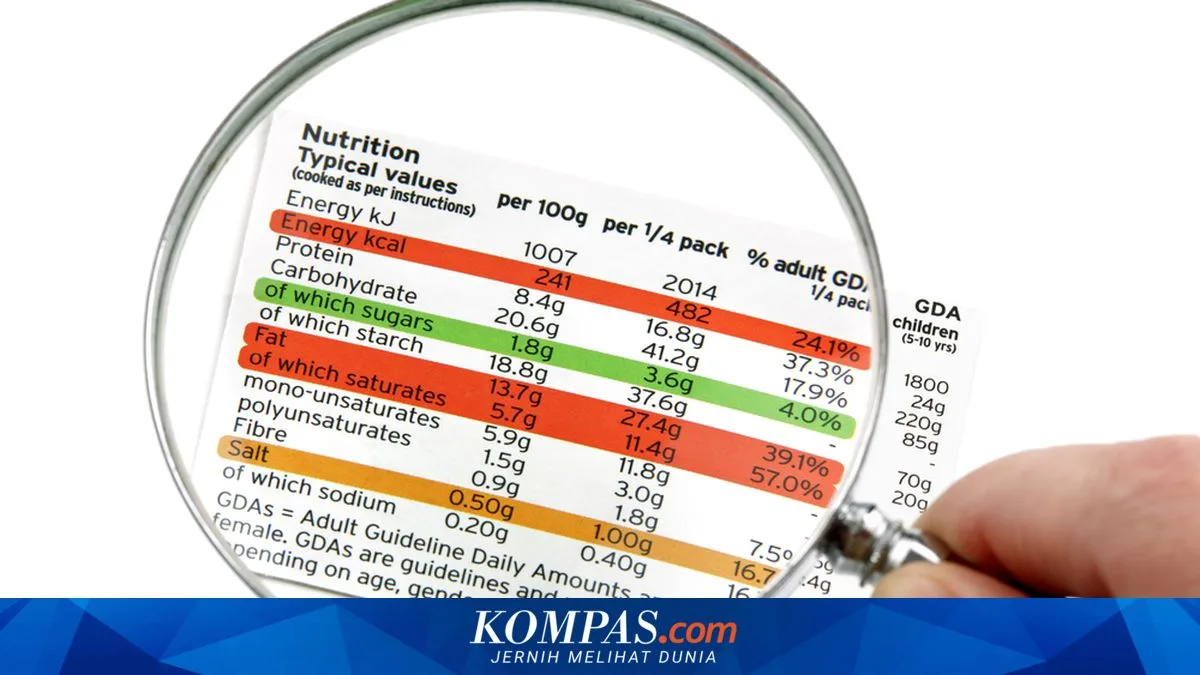
For Indonesian consumers, this ruling has the potential to raise awareness of the nutritional content of packaged products. Color labels—such as the traffic light system applied in several countries—make it easier for people to choose healthier products. However, its effectiveness depends on outreach and market supervision.
On the industry side, food and beverage producers must adjust packaging designs to include color labels and symbols. This creates additional costs, especially for small and medium enterprises. Nevertheless, this obligation can encourage product reformulation toward healthier options, in line with the global trend toward better processed food.
The government is now required to immediately issue implementing regulations, for example in the form of a Government Regulation or a BPOM Regulation. Without clear technical regulations, this obligation risks not being implemented uniformly. The DPR also needs to oversee this process to avoid overlap with existing rules.
"The government's responsibility to regulate and supervise food and beverages, including in setting standards that support so that information on the sugar, salt, and fat content of products can be known and understood by consumers effectively," Guntur Hamzah stressed.
Going forward, the public will await the government's steps to follow up on this ruling. Will color labels actually be implemented in the near future, or will they be held hostage by debates over costs and industry interests? What is clear is that the Constitutional Court has opened the way toward stronger consumer protection in the food sector.