Parliamentary Threshold and the Shadow of Party Elites' Status Quo
Baca dalam 60 detik
- Putusan MK 2024 mewajibkan revisi ambang batas parlemen sebelum tahapan Pemilu 2029, namun prosesnya justru berlangsung tertutup.
- Pertemuan Presiden dengan ketua umum partai koalisi menghasilkan usulan angka 5-7 persen tanpa kajian akademis yang transparan.
- Langkah ini dinilai memperkuat oligopoli kekuasaan dan mempersempit ruang bagi partai baru serta representasi suara rakyat.

The Constitutional Court (MK), through Decision Number 116/PUU-XXI/2023, has ruled that the parliamentary threshold must be revised before the 2029 election. The decision, read out in 2024, stated that the norm in Article 414 paragraph (1) of Law No. 7/2017 on Elections remains in force for the 2024 election, but is conditionally unconstitutional for the next election if it is not amended. Unfortunately, the amendment process that should be a momentum for democratic improvement instead risks preserving the status quo of power.
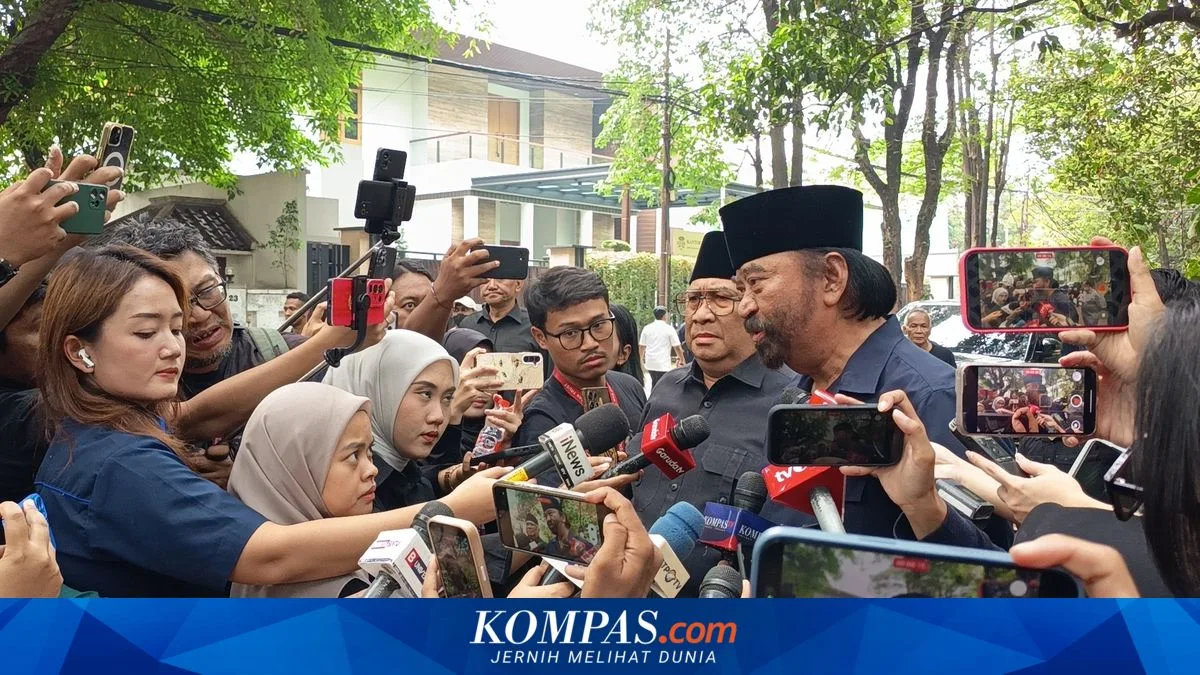
Rather than opening meaningful space for public participation, the revision of the parliamentary threshold is now being discussed behind closed doors. The President and the general chairs of coalition political parties held a meeting without involving non-parliamentary parties, academics, or civil society groups. From that meeting came a proposal to raise the threshold from 4 percent to 5 to 7 percent. The figure was immediately announced to the public without any accountable academic study. In fact, MK has set five guidelines for the amendment, including a sustainable design, maintaining the proportionality of the electoral system, party simplification, resolution before the 2029 election stages, and meaningful public participation.
Legal practitioner and writer Furqan Jurdi, in his column, assessed that the way party elites discuss this revision reflects pragmatism to perpetuate domination. "They want to centralize power, so that no one else can break through that fence," he wrote. He highlighted that decisions born from closed meetings do not reflect the principle of popular sovereignty, but rather an elite agreement to lock down competition. According to him, the threshold figure should be determined through scientific study and broad participation, not the result of momentary political bargaining.
For Indonesia, raising the parliamentary threshold has a direct impact on the political landscape and the quality of democracy. If the threshold is raised too high, millions of people's votes could fail to be converted into seats in the DPR. This contradicts the principle of proportionality emphasized by MK. In addition, new and small parties will find it increasingly difficult to gain representation, thereby strengthening the oligarchy of large parties. In the long term, this phenomenon can reduce public trust in electoral institutions and weaken the legitimacy of parliament.
From the perspective of investors and market players, political regulatory uncertainty can affect the investment climate. Policies made behind closed doors and without participation tend to create long-term risks, including the potential for legal challenges and political instability. The stability of an inclusive democracy is an important foundation for sustainable economic growth. Therefore, transparency in the revision of the Election Law is not only a moral demand, but also a practical necessity to maintain market confidence.
"The figure they agreed on from that closed process was not born from the concept of popular sovereignty, but rather from pragmatism to maintain domination." — Furqan Jurdi, legal practitioner.
Going forward, the public will scrutinize whether the DPR and the government truly follow MK's five guidelines or merely meet formalities. If the revision of the parliamentary threshold only becomes an elite tool to maintain power, then Indonesian democracy will become increasingly trapped in a status quo that benefits a handful of parties. The question is, will the people's voice truly be the deciding factor, or will it be defeated by the closed agreements of party leaders?