British Climber Dies After 61-Meter Fall from Torrecerredo Peak in Spain
Baca dalam 60 detik
- Seorang pendaki asal Inggris berusia 28 tahun meninggal setelah terpeleset dan jatuh sekitar 61 meter saat menuruni Torrecerredo, puncak tertinggi Picos de Europa, Spanyol utara.
- Insiden terjadi pada Kamis sore waktu setempat ketika korban melewati celah vertikal di sisi timur gunung; jenazahnya ditemukan sekitar 20 meter di bawah puncak setelah operasi penyelamatan udara.
- Peristiwa ini menyoroti risiko pendakian di jalur teknis pegunungan Eropa dan menjadi pengingat bagi pendaki Indonesia yang kian aktif mengeksplorasi rute internasional.
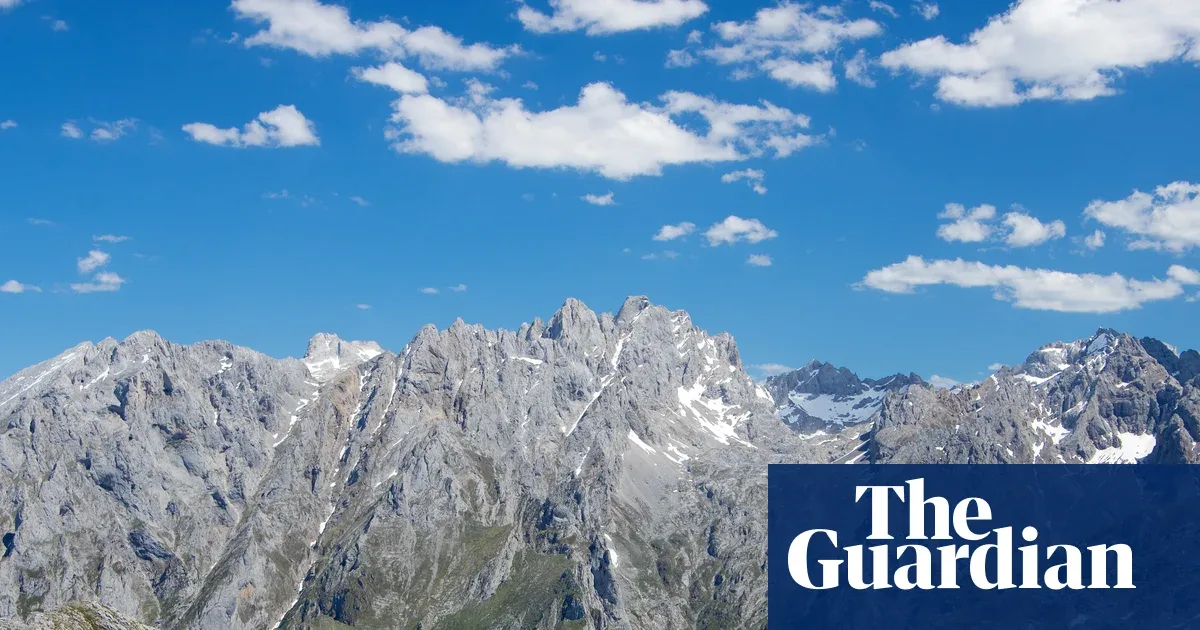
A 28-year-old British national died after falling about 61 meters (200 feet) while descending the Torrecerredo peak in northern Spain, according to a report by Spain's Civil Guard for the Asturias region. The fatal incident occurred on Thursday afternoon local time when the victim was crossing a vertical gap on the mountain's eastern side, which is the highest peak in the Cantabrian Mountains.
A rescue team using a helicopter found the victim's body shortly after the incident. Two specialist officers were lowered to the site to evacuate the body and the victim's belongings scattered by the fall. According to local authorities, the accident took place during the descent, about 20 meters below the Torrecerredo summit. The body was then taken to La Morgal, a regional sports and aviation facility in Llanera, near the city of Gijon.
Britain's Foreign Ministry confirmed it had contacted local authorities regarding the incident. Torrecerredo stands about 2,649 meters high and is part of Picos de Europa National Park, a limestone mountain area popular among European climbers but known for its technical terrain and rapidly changing weather.
The incident adds to the list of climbing accidents in European mountain areas that have become increasingly crowded in recent years. Torrecerredo, though not among the highest mountains in continental Europe, offers routes with medium to high difficulty, especially on the final stretch of the climb, which consists of steep rock and is often covered in snow outside the summer season. Climbers usually need technical equipment and solid navigation skills.
"Accidents often happen during the descent, when concentration starts to drop and slippery terrain is often overlooked," said a local Civil Guard official, as quoted by Spanish media.
For Indonesian climbers, this incident is a reminder of the importance of physical preparation, equipment, and understanding of natural conditions before climbing mountains abroad. Indonesian climbers' interest in conquering the world's peaks has indeed grown, along with the expansion of communities and access to information. However, the risks in foreign mountains—from different climates and unfamiliar routes to limited signal—are often underestimated.
The Embassy of the Republic of Indonesia (KBRI) in Madrid has not issued an official statement on whether the victim was an Indonesian citizen. However, this case could be a momentum for KBRI and the climbing community to strengthen safety education, including data collection on Indonesian citizens planning to climb in high-risk areas. The Indonesian government, through the Ministry of Foreign Affairs, is also expected to improve protection services for Indonesian citizens active abroad, especially in extreme sports.
Going forward, Spanish authorities are expected to re-evaluate climbing safety protocols in Picos de Europa, especially during the busy climber season. Meanwhile, for Indonesian travelers planning to climb abroad, the basic question is not only how high the mountain to be conquered is, but how mentally and logistically prepared they are to face any possibility in unfriendly terrain.