Blade Runner: The Final Cut Is Now Free on YouTube, the Version Ridley Scott Fought for Over 25 Years
Baca dalam 60 detik
- Blade Runner: Final Cut, versi paling otentik menurut sutradara Ridley Scott, dapat ditonton tanpa biaya di YouTube.
- Setelah lima versi berbeda dan perseteruan studio-sutradara, Final Cut (2007) menghapus narasi suara dan menegaskan ambiguitas identitas Deckard.
- Kemudahan akses ini berpotensi memperluas basis penggemar dan memicu diskursus baru tentang warisan sinema cyberpunk di platform digital.
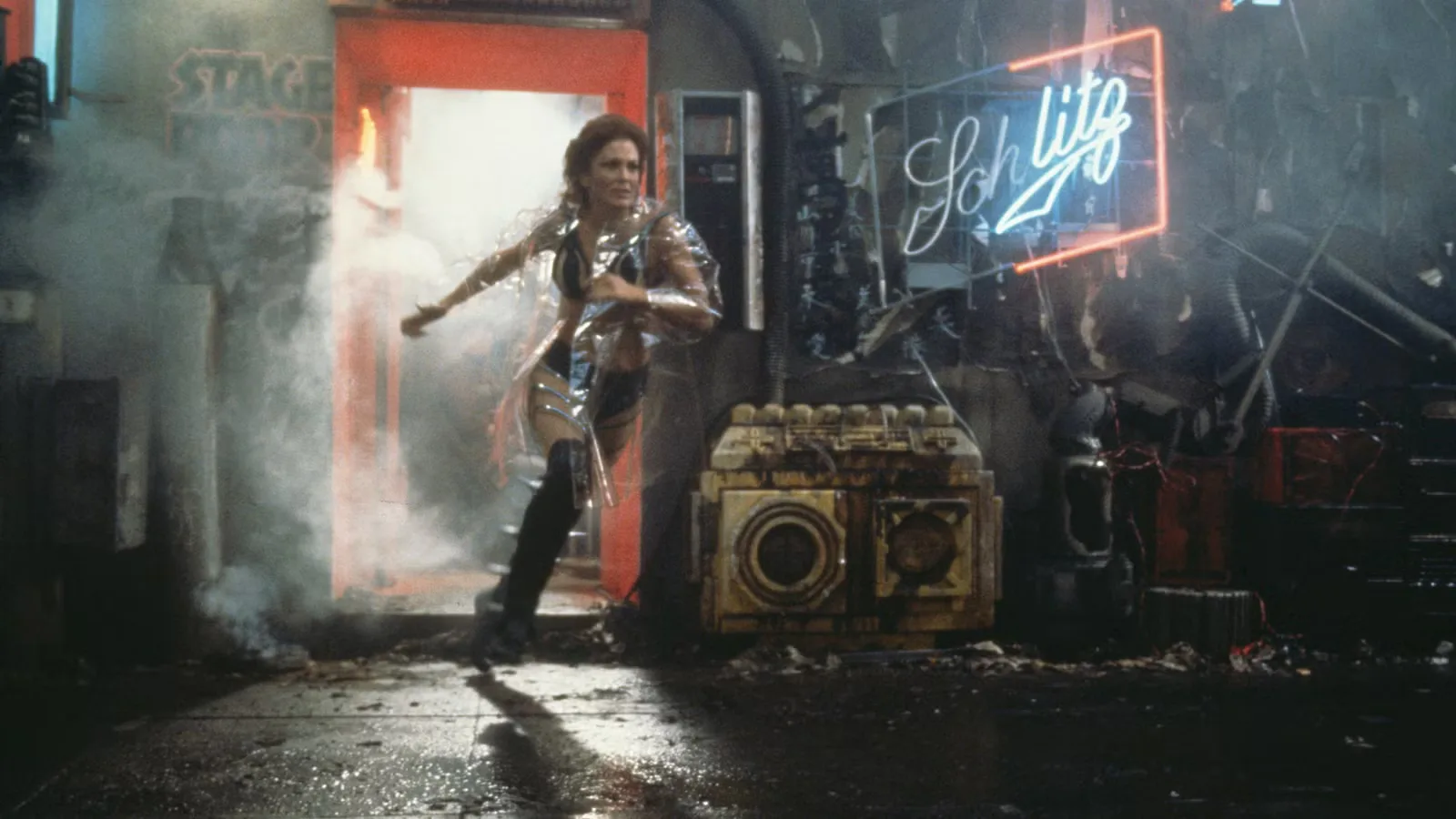
Ridley Scott can finally breathe easy. After more than two decades of creative struggle with the studio, Blade Runner: The Final Cut—the version considered closest to his original vision—can now be watched for free on YouTube. For devoted fans and newcomers alike, this is a rare chance to see the science-fiction masterpiece without a paid streaming subscription.
The film's journey to the big screen was far from smooth. The 1982 production of Blade Runner was marked by tension between Scott and the studio, resulting in at least five different versions circulating over the years. The early theatrical version even included a voice-over narration that Harrison Ford hated, later removed in the director's release. Only in 2007 did Scott release The Final Cut, widely recognized as the definitive version.
In The Final Cut, viewers are taken to a bleakly depicted Los Angeles of 2019: pollution blankets the city, giant buildings spew fire, and the Tyrell Corporation dominates the production of replicants—androids biologically engineered to surpass human capabilities. Rick Deckard (Harrison Ford), a former police officer back on duty, must hunt down four fugitive replicants. His inner conflict peaks when he falls in love with Rachael (Sean Young), Tyrell's assistant who turns out to be a replicant, and faces Roy Batty (Rutger Hauer), the tragic leader of the group.
Blade Runner's impact on the cyberpunk genre is almost immeasurable. Two years after its release, William Gibson's novel Neuromancer reinforced the same aesthetic, and its visual legacy lives on to this day, for instance in the game and animated series Cyberpunk 2077. Night City in that franchise almost mimics Scott's Los Angeles. Even so, at the time the film was not a commercial success; audiences and critics were not ready for its contemplative pace and moral ambiguity.
“Harrison didn't understand it at the time,” Scott said in an interview with IndieWire, recalling his dispute with Ford over the origami motif implying Deckard might be a replicant. Scott also revealed his heartbreak when screenwriter Hampton Fancher grew angry and accused him of ruining the script.
For Indonesia, this phenomenon is not merely nostalgia. Free access to The Final Cut on YouTube opens an opportunity for local cinephiles and filmmakers to study Scott's visionary narrative and visual techniques firsthand. Amid the growth of digital platforms, the move also affirms that classic works can find new audiences without economic barriers. However, it remains to be seen whether this kind of distribution model will benefit copyright holders in the long run, or instead erode the value of exclusivity.
Looking ahead, the question is: will other major studios follow suit and release director's cuts on free platforms? Or is this just a temporary strategy to tend a cinematic legacy? Either way, for Ridley Scott, it is a sweet ending to a long fight to defend his artistic vision.