String of 2026 Shipping Tragedies: A Wake-Up Call for Indonesia's Maritime Safety System
Baca dalam 60 detik
- Serangkaian kecelakaan kapal fatal sepanjang Juli-September 2026 memaksa pemerintah mengevaluasi total regulasi dan pengawasan keselamatan pelayaran nasional.
- Kementerian Perhubungan memperkuat pelatihan awak melalui workshop di KM Bukit Raya, tetapi pertanyaan mendasar soal efektivitas sistem sebelum darurat tetap mengemuka.
- Investor dan pelaku logistik perlu mencermati dampak insiden terhadap biaya asuransi, kepercayaan pasar, dan iklim investasi sektor maritim.
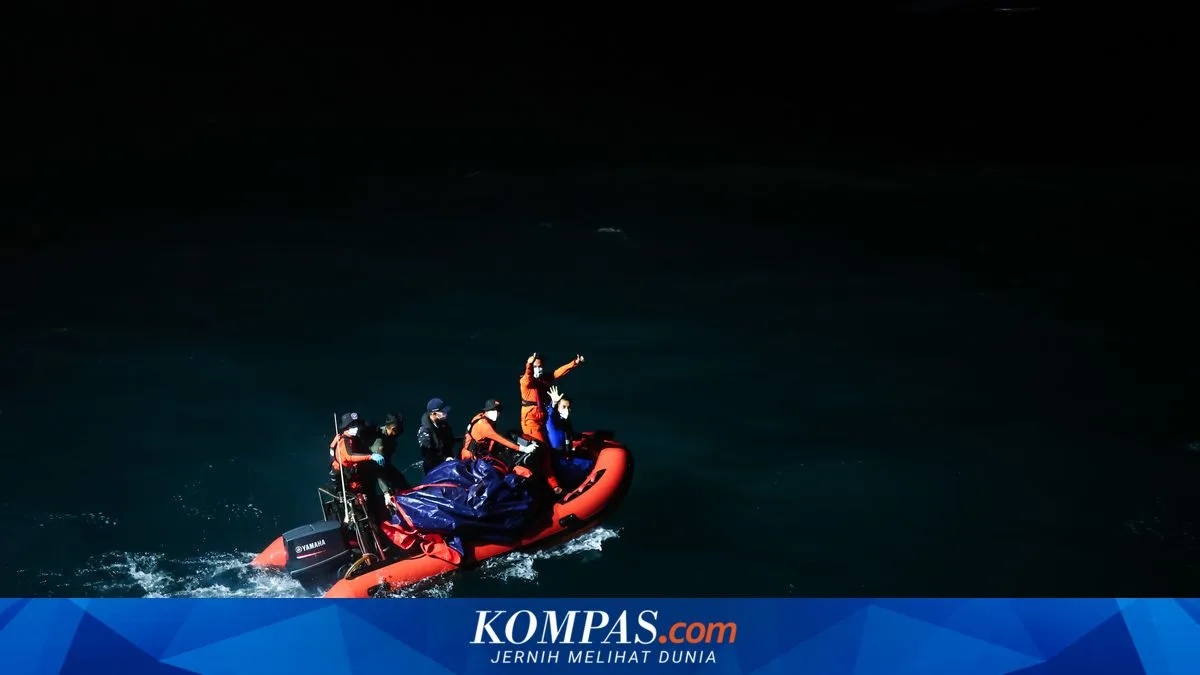
Maritime safety in Indonesia has once again come under sharp scrutiny after a string of fatal incidents shook the archipelago's waters from July to September 2026. From the sinking of KM Virgo Transport 8 in the Java Sea, which claimed hundreds of lives, to the loss of contact with KM Cepat Arupadhatu 1 in the Sunda Strait, and the fire aboard KMP Mutiara Sentosa 2 off Sapudi—this series of disasters is not merely a record of grief, but an urgent call to overhaul the foundations of the national maritime safety system.
For an archipelagic nation of more than 17,000 islands, the sea is the lifeline connecting the economy, society, and people's lives. Every ship that sets sail carries public trust that the state can protect its citizens in a space that is inherently risky. When accidents recur, what is at stake is not only lives but also the state's legitimacy in managing its maritime territory.
The Ministry of Transportation, through the Directorate General of Sea Transportation, responded by holding a Safety Training Workshop aboard KM Bukit Raya on the Jakarta–Kijang route on 16–18 September 2026, in cooperation with PT PELNI. The move deserves appreciation, but a number of observers argue that such training only scratches the surface. The big question: does our safety system actually work before an emergency occurs?
In shipping, the measure of safety success is not the ability to evacuate passengers after an accident, but the ability to identify and control risks before an incident occurs. A seaworthy vessel requires a complete ecosystem: competent crew, reliable equipment, clear procedures, and consistent management support. At sea, a small mistake can escalate into disaster within minutes—the weather turns, the engine dies, communication is cut, or passengers panic. At that point, documents cannot make decisions; what works is people, equipment, and the chain of command.
"Safety drills must not merely produce attendance signatures or simulation reports. Drills must uncover weaknesses," reads the gist of criticism from maritime observers, highlighting the importance of honest evaluation of crew readiness.
The challenge grows more complex on passenger ships. Crews face passengers with different backgrounds, levels of understanding, and physical conditions. Children, the elderly, people with disabilities, and those with limited mobility require special attention. Evacuation procedures that look simple on paper can become a nightmare when the alarm sounds and panic spreads.
For Indonesian readers—especially investors, logistics players, and professionals in the maritime sector—this series of incidents has direct implications. Insurance costs for sea freight may rise, along with a growing perception of risk. Market confidence in the punctuality and safety of domestic shipping routes could erode, which in turn affects the investment climate in the transport and inter-island trade sectors. The government also faces pressure not merely to hold more training, but to strengthen oversight of ship modifications, enforce seaworthiness standards, and conduct regular audits of operators.
The remaining question: will the promised total evaluation produce structural change, or merely become a routine cycle that evaporates once media attention fades? Without governance reform that addresses the root of the problem—from oversight of ship modifications to safety culture—tragedies at sea will remain a shadow haunting Indonesia's shipping lanes.