Samsara Opens Fleet Data Access to ChatGPT and Claude, AI Integration in Logistics Moves to Monthly Paid Model
Baca dalam 60 detik
- Samsara meluncurkan protokol MCP yang memungkinkan data operasional armada diakses langsung lewat ChatGPT, Claude, dan Copilot tanpa integrasi khusus.
- Fitur ini memakai izin pengguna yang sudah ada dan bersifat read-only, sehingga AI hanya bisa membaca data tanpa mengubah catatan.
- Layanan tersedia gratis saat ini, tetapi biaya ke depan akan dihitung berdasarkan pemakaian bulanan.
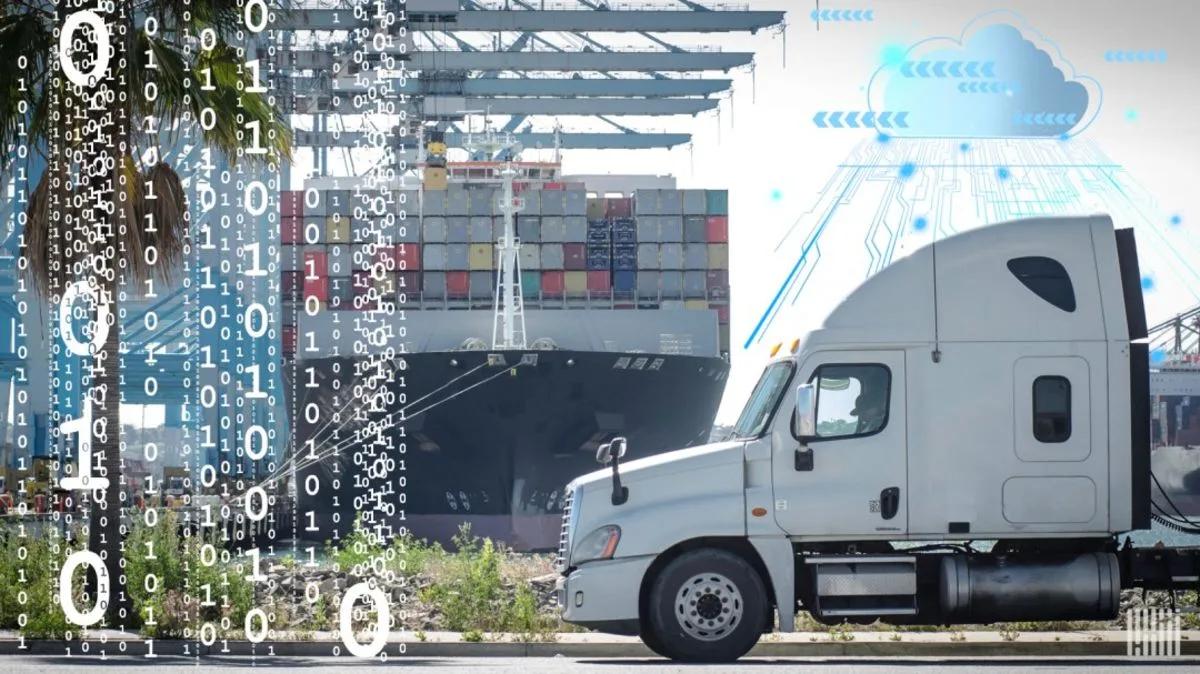
Samsara has officially opened the door for logistics companies to connect their fleet and operational data to third-party AI assistants such as ChatGPT, Claude, and Microsoft Copilot. The protocol, called Samsara Model Context Protocol (MCP), was announced on 22 September and allows authorized users to ask questions about data directly from their Samsara accounts without having to build custom integrations.
The move marks a significant shift in how the ground transportation industry processes information. Until now, fleet data analysis required internal software or complex API connections. With MCP, Samsara provides a standard pathway so that vehicle data, driver data, safety events, hours of service, and other operational indicators can be read directly by the large language models companies already commonly use.
At launch, more than 40 read tools are available through MCP. Developers can also use it to build custom AI agents. A FreightWaves report on 23 September highlighted how Pam Polyak, owner of Wisconsin-based Polyak Trucking, used Claude to analyze her Samsara data. She asked the AI to identify drivers who spent more than 30 minutes on duty without driving at the terminal. The analysis took about three minutes and found a driver who spent more than 110 minutes per shift in the yard without driving. Polyak claims her company saved USD 53,000 in labor costs after the issue was identified. She also used Claude to compare toll costs between drivers on the same route, which revealed a USD 50 difference per delivery.
Security is a primary consideration. These connections follow the permissions already attached to each user in Samsara. If someone does not have access to certain information in Samsara, the connected AI application cannot access it either. Every request is tied to the individual making it, not to a shared API key or service account. The tools provided are read-only, so the AI can retrieve information but cannot modify records through MCP.
"Our customers are building AI into more parts of their business, and decisions in finance and HR need to reflect what is happening in the field. Samsara provides that operational understanding. With MCP, customers can bring their Samsara data into the systems and AI tools their teams already use," said O'Driscoll, as quoted from the company announcement.
The company also emphasized that Samsara data can be combined with information from other business systems. For example, comparing driver hours-of-service records with attendance data, analyzing fuel spending alongside mileage and idle time, and reviewing equipment utilization against lease agreements. Samsara says its ecosystem includes more than 400 integrations, APIs, and developer tools. MCP is built on the same live operational data layer as Samsara Assistant.
In addition to MCP, Samsara introduced Agent Studio at its Beyond 2026 customer conference. While Agent Studio lets customers create agents within the Samsara environment, MCP connects Samsara data to third-party AI applications and custom agents. Ken Apple, CTO of Mariner Logistics, stated that with MCP connections already in their core business systems, Samsara operational context can now be brought into the same workflows, allowing operators to focus on solving business problems instead of maintaining additional custom integrations.
For the Indonesian market, this move could accelerate AI adoption in the logistics sector, which still faces challenges in cost efficiency and fleet oversight. Truck operators and distribution companies in the country that already use telematics systems can leverage MCP to combine trip data, fuel consumption, and driver hours with familiar AI tools. However, data infrastructure readiness and personal data protection policy remain unfinished business. The Personal Data Protection Regulation (UU PDP) demands clarity on data transfers to third-party AI services, especially if driver information is exposed.
Going forward, the monthly usage-based subscription model Samsara is preparing will determine how widely MCP is adopted among small and medium-sized operators. The question is whether this kind of integration will become a new standard in the global logistics industry, or instead widen the digital divide between large companies and small players in developing countries like Indonesia?