Gen Z and the Corruption Paradox: When Public Money Is Stored in Luxury Apartments
Baca dalam 60 detik
- Rata-rata gaji Gen Z di Indonesia hanya Rp 1,68–2,28 juta per bulan, sementara harga rumah naik 16,48 persen dalam lima tahun terakhir.
- Koruptor menyewa apartemen Rp 60 juta per tahun hanya untuk menyimpan uang hasil suap, memperparah ketimpangan akses hunian bagi generasi muda.
- Ketimpangan ini menimbulkan pertanyaan etis tentang keadilan distributif dan mendesak reformasi tata kelola properti serta penguatan integritas publik.

Amid an unstoppable surge in property prices, Indonesia's Gen Z faces a bitter reality: the dream of owning a home is increasingly out of reach. Data from the Central Statistics Agency (BPS) records that the average net wage for workers aged 15–19 was only around Rp 1.68 million per month in 2024, while the 20–24 age group received around Rp 2.28 million. These figures have barely moved, while the Housing Property Price Index (IHPP) jumped 16.48 percent between 2019 and 2025, far outpacing national wage growth of just 14.31 percent.
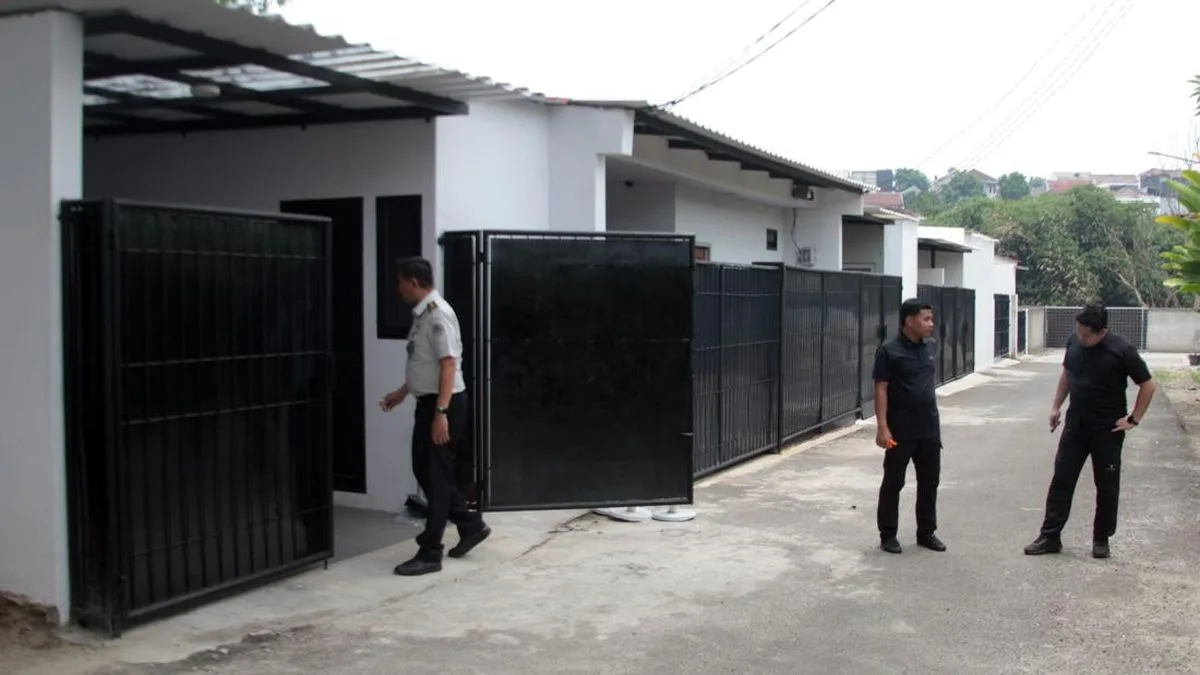
The situation is worsened by a corruption scandal that has gripped public attention. A former Customs official was reported to have rented an apartment for Rp 60 million per year—not as a residence, but to store suitcases filled with bribe money. That sum is equivalent to more than two years' wages for the average young worker. Instead of serving as housing, luxury apartment towers in the city center have been repurposed into giant safes for illicit wealth.
This contrast is not merely economic inequality but a reflection of systemic failure to deliver social justice. Philosopher John Rawls in A Theory of Justice asserted that inequality can only be tolerated if it benefits the least advantaged. Yet corrupt practices divert public resources into the pockets of a tiny elite, while tens of millions of young people are trapped in housing uncertainty.
The impact is tangible in the property market. Price distortions caused by speculative demand from illicit money keep pushing up land and building prices in strategic areas. Gen Z, which should be the backbone of economic growth, is instead marginalized from asset ownership. They must compete with big investors and corrupt officials who are unaffected by rising prices.
"When money from crime dominates the property market, distributive justice collapses. The state fails to protect its citizens' basic rights," said a public policy observer, describing the irony at play.
For investors and young professionals in Indonesia, this phenomenon is a danger signal. A distorted property market can trigger a price bubble vulnerable to sharp corrections. Moreover, the inability of the productive generation to own a home could reduce social mobility and slow domestic consumption. In the long run, this inequality could erode social stability and public trust in institutions.
The government must urgently reform land and housing governance, including tightening oversight of suspicious property transactions. Law enforcement against corrupt officials must be accompanied by asset recovery that is genuinely returned for the public interest, for example through subsidized housing programs or infrastructure development in underdeveloped regions. Without concrete steps, the gap between Gen Z and the corrupt elite will only widen.
Will the younger generation remain spectators in their own country, while public money is enjoyed by a select few? The answer depends on the courage of all parties to demand justice and push for real reform.