The Story of Martin Klíma: From the Velvet Revolution to Criticizing Game Prices That Are Too Cheap
Baca dalam 60 detik
- Martin Klíma, salah satu pendiri Warhorse Studios, merayakan 15 tahun studio tersebut dengan refleksi karier dari aktivis mahasiswa hingga pengembang game.
- Ia menilai industri game saat ini menghadapi kebuntuan: biaya produksi membengkak, tetapi harga jual game tidak naik, sehingga sulit menguntungkan tanpa memperbesar pasar.
- Klíma menyoroti AI bukan sebagai solusi pemotongan biaya, melainkan alat untuk menciptakan game lebih besar dengan anggaran serupa, dan mengisyaratkan ekspansi produksi ke wilayah berbiaya rendah.
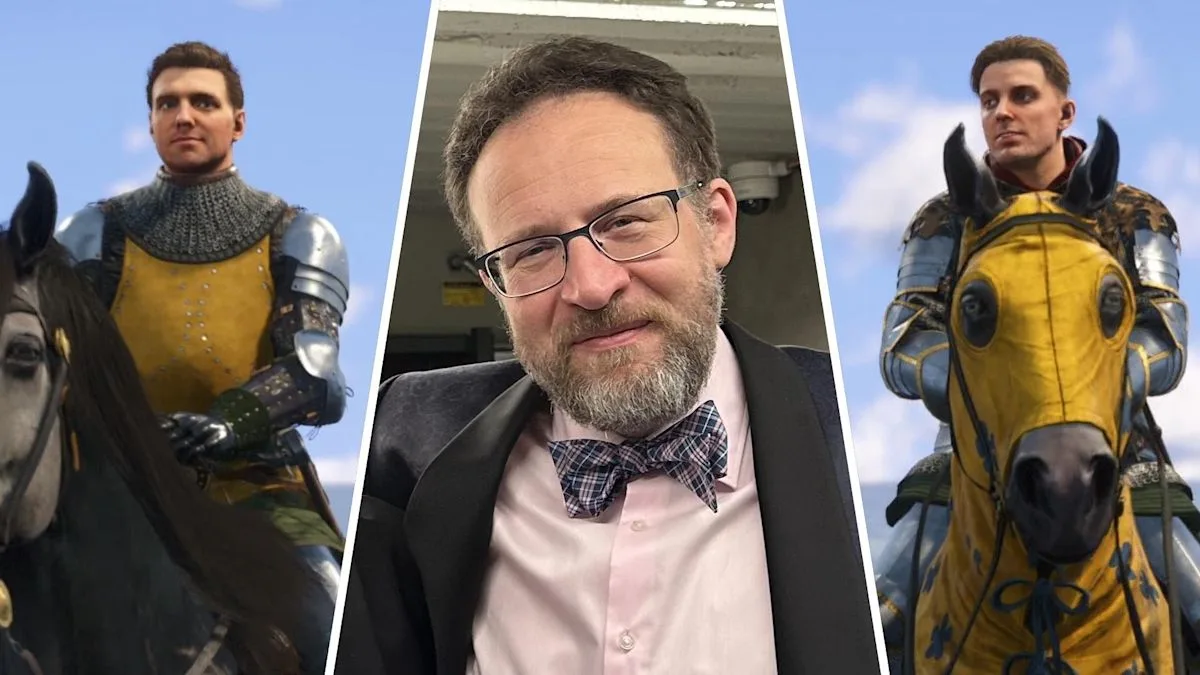
Martin Klíma, one of the founders of Warhorse Studios, marked his studio's 15th anniversary with a sharp reflection on the global game industry. The man who was once involved in the Velvet Revolution in Czechoslovakia now highlights a paradox: games are becoming more expensive to produce, yet their market prices are considered too cheap.
In an exclusive interview, Klíma recalled his long journey. He began his career as a student activist who helped topple the communist regime in 1989, then moved into the game industry after the fall of the Iron Curtain. Together with Daniel Vávra, he founded Warhorse Studios in 2011 after years of frustration with conservative game publishers. "It took us two years to find an investor," he said, referring to the difficult period before Zdeněk Bakala, a Czech-American billionaire, injected funds.
Kingdom Come: Deliverance, an ambitious historical RPG, was eventually funded through Kickstarter with 35,384 backers. Klíma attributes that success to demand for a "mature RPG" that does not present the player as a superhero. "I was bored with games where you are the chosen one. Nobody was making a game about an ordinary person who stays ordinary in the end," he said.
Klíma highlights a structural problem in the industry: growth in the game market has reached saturation point. "If someone doesn't play games, it's because they don't want to or can't afford to. There is no other way except teaching a dog to play games," he joked. He argues that the only remaining solution is to raise unit prices, but many developers are afraid to do so. "Hopefully GTA 6 will pioneer a price increase," he said.
Responding to the industry's aggressive adoption of AI, Klíma is skeptical. He explains that many executives have an overly simple mental model: they assume AI can cut a development team from 200 people to 40. "That won't reduce the cost of games, but it will let us create bigger games at the same cost," he said. He also hinted that Warhorse is working on a project based on The Lord of the Rings, but declined to comment on whether AI will be used in it.
"I don't see any way out other than moving production to cheaper countries... maybe Central and Eastern Europe, maybe China, India, or East Asia in general." - Martin Klíma
For Indonesia, Klíma's remarks about relocating production to lower-cost regions signal an opportunity. The country's growing local game industry could attract foreign investment if it can provide skilled talent and competitive operating costs. However, challenges remain: Indonesia's game development ecosystem is still limited to the indie scale, while AAA production requires specialized infrastructure and expertise.
Klíma also sharply criticized conditions in the North American industry. "I don't like being a prophet of doom, but especially in North America, I think this is a very big problem," he said. The statement reflects a shifting landscape in global game development, where lower-cost regions are beginning to take on a larger role.
Looking ahead, Warhorse Studios is now split into two teams: one working on the next Kingdom Come adventure, and another developing the Lord of the Rings game. Klíma acknowledges the managerial challenge of this split. "People who used to work together now have to be separated into their respective projects. That is not easy," he admitted. Meanwhile, the global game industry is waiting to see whether new pricing strategies and AI adoption will change the landscape, or instead deepen the crisis that already exists.