TV Buying Guide for 2026: The Biggest Consumer Mistake Isn't the Brand, It's the Size
Baca dalam 60 detik
- Konsumen paling sering menyesal karena membeli TV berukuran terlalu kecil, bukan karena salah merek atau panel.
- Spesifikasi seperti OLED, Mini-LED, dan refresh rate tinggi tidak selalu relevan jika pola tontonan sehari-hari didominasi streaming kasual.
- Lonjakan harga dari 55 ke 65 inci sering hanya sekitar 100 dolar, sementara luas layar bertambah hingga 40 persen.
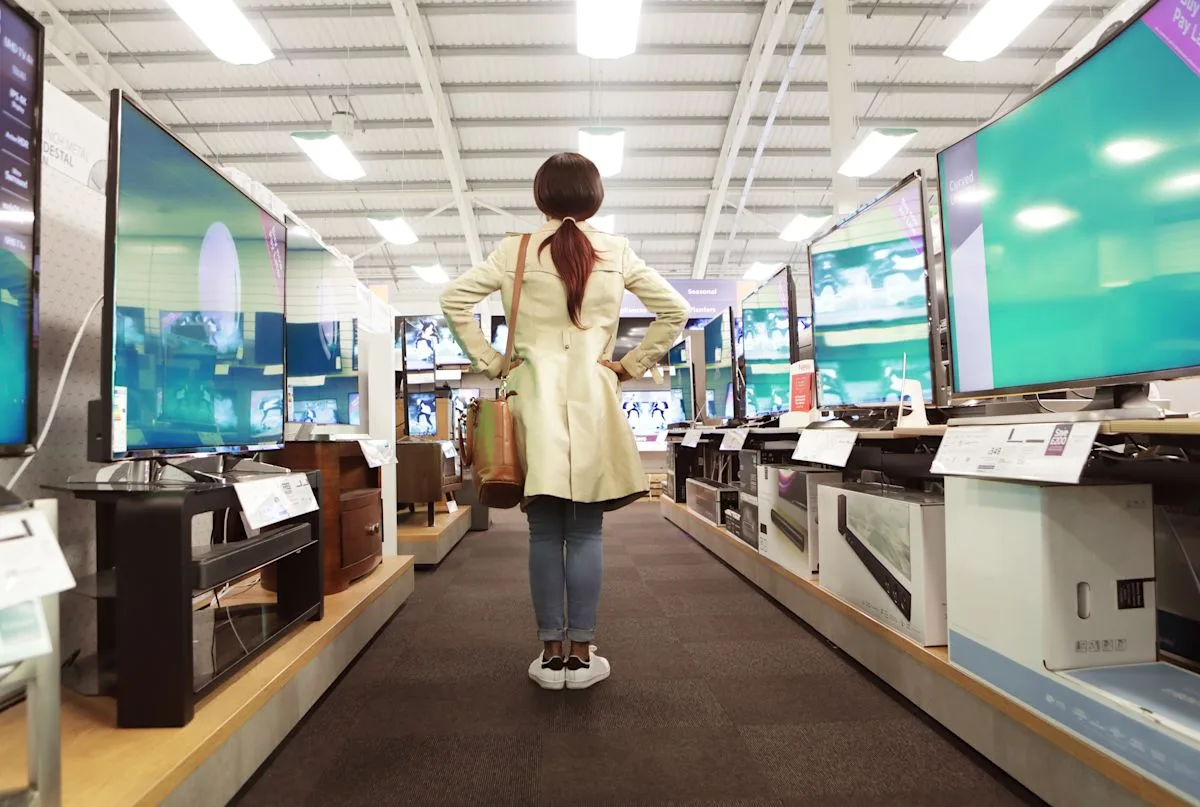
Buying a new television is often seen as a complicated technical decision, when the biggest source of error is actually simple: choosing a screen that is too small. That conclusion comes from the experience of a technology specialist who once worked at an Apple Store and witnessed firsthand patterns of consumer confusion over many years.
According to the observer, excessive anxiety over technical terms such as refresh rate, OLED, QLED, Mini-LED, and HDR10+ actually obscures the most fundamental consideration. He argues that consumers should first answer one question: what is watched most often in the living room? The answer to that question determines the type of panel, not the other way around.
For sports fans, the priority is brightness and the panel's ability to handle fast motion. LED or Mini-LED TVs with a 120Hz refresh rate are considered better suited to bright rooms than OLED panels, which excel at contrast. Conversely, film viewers who often enjoy high-bitrate content in dark rooms will feel the real benefits of OLED, especially in color accuracy and black depth.
For casual viewers who spend most of their time on Netflix, YouTube, or watching while doing chores, a 4K TV with a user-friendly interface already feels like a major upgrade compared with a device from five or six years ago. Meanwhile, for gamers, HDMI 2.1 and a 144Hz refresh rate become the benchmark if the budget allows, though OLED is not a must.
"Most people will be satisfied with a high-quality QLED LED TV and will never realize what they are missing," said the observer, stressing that OLED is indeed impressive, but not a necessity for everyone.
On price, the landscape of the global TV market has changed drastically. The observer recalled his first flat TV, a 32-inch Vizio with 720p resolution, which cost more than today's 32-inch models that offer nine times sharper resolution and already have streaming platforms built in. This development means Mini-LED QLED panels that were once synonymous with the premium class are now reaching the mid-range segment.
However, advanced specifications do not automatically guarantee a good viewing experience. Built-in TV speakers, even on expensive models, are often considered mediocre because of the physical limitations of increasingly thin bodies. Adding a simple soundbar is considered to have more impact on the daily experience than stepping up one tier of TV model. TV placement, cable management, and a separate streaming device are also said to deliver noticeable improvements, especially because dedicated device interfaces are usually more responsive.
For consumers in Indonesia, this dynamic is relevant to shopping patterns ahead of discount periods such as Harbolnas and Ramadan. The domestic market is still dominated by South Korean, Japanese, and Chinese brands, with sizes of 43 to 55 inches as the favorite. However, the global trend pushing consumers toward larger screens is slowly being felt in major cities, as 65-inch panel prices become more competitive and 4K content from local and global streaming services grows.
Another often overlooked consideration is room conditions. Curtains or blinds are considered capable of delivering a bigger improvement in picture quality than upgrading to a more expensive TV, especially in rooms hit by direct sunlight. TV height also affects viewing comfort over long periods, an aspect that is often underestimated.
The closing message is simple: if you have found a TV that fits the room size, matches your viewing habits, and is on sale, you should buy it right away. Waiting for an extra 50-dollar discount, according to the observer, only leaves people stuck watching an old 720p TV for another year. The question now is whether Indonesian consumers are ready to abandon the habit of buying screens that are too small and start measuring room area, not just price?