Everton and the Art of Bargain Hunting: The Rp60 Billion Maitland-Niles Now Worth Multiples More
Baca dalam 60 detik
- Everton menebus Ainsley Maitland-Niles dari Lyon dengan biaya hanya £3 juta pada akhir jendela transfer musim panas lalu.
- Nilai pasar pemain 29 tahun itu langsung melonjak ke £8 juta menurut Transfermarkt, atau naik sekitar 166 persen, setelah penampilan impresif di awal musim.
- Jika konsisten, Maitland-Niles berpotensi menyamai dampak Jarrad Branthwaite yang dibeli £1 juta dari Carlisle dan kini dihargai minimal £80 juta oleh Everton.
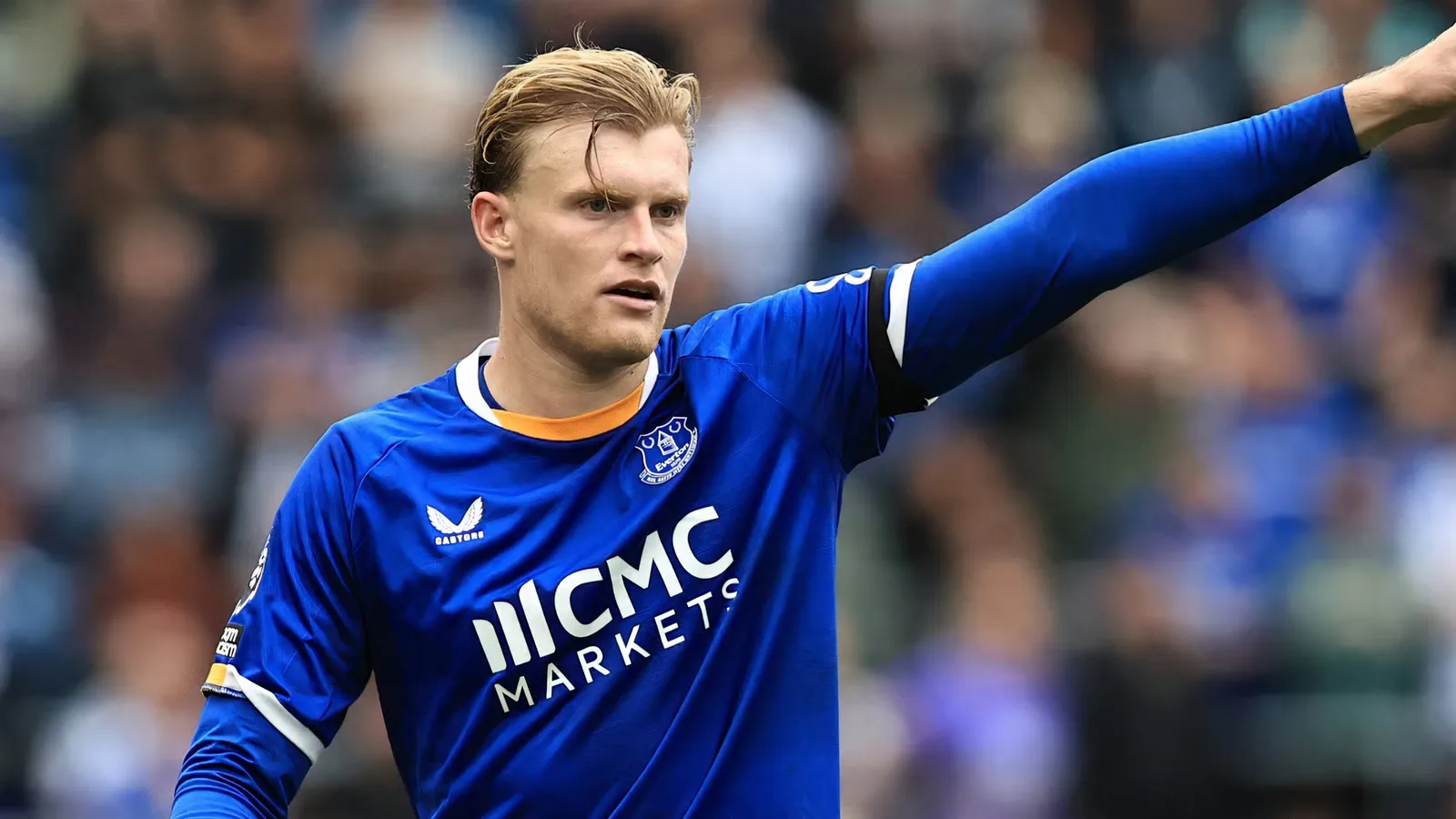
Everton have once again proven that shrewdness in the transfer market is not always synonymous with big spending. At the tail end of the summer transfer window, The Toffees signed Ainsley Maitland-Niles from Olympique Lyonnais for a fee of just £3 million—a figure that is almost meaningless in the Premier League market, which is often defined by deals worth tens to hundreds of millions of pounds.
The decision paid off immediately. The 29-year-old has made three league appearances, two of them as a starter, and scored a dramatic goal against Manchester United after coming off the bench. According to Transfermarkt, his market value has now soared to £8 million, a jump of around 166 percent in just a matter of weeks.
For Everton, this is not merely short-term luck. The Merseyside club is navigating the season with a thin squad, especially in the full-back areas. The presence of Maitland-Niles—originally a midfielder, then converted into an emergency right-back—gives David Moyes more flexible tactical options without having to drain the coffers.
Maitland-Niles is no stranger to English football. He is an Arsenal academy graduate and has earned five caps for the England national team. After three years in France with Lyon, he returned to the Premier League labelled as an experienced, ready-to-use player. His flexibility as a midfielder who can be deployed at full-back makes him a tactical asset that clubs on limited budgets rarely possess.
What makes this transfer even more interesting is the comparison with Jarrad Branthwaite. The 6-foot-5 centre-back was signed by Everton from Carlisle United in 2020 for just £1 million. Now, after weathering an injury storm, Branthwaite has become one of the best defenders in England. Manchester United are reported to be queuing up again, but Everton have set a minimum price of £80 million. That means the potential profit from Branthwaite alone already reaches 80 times the purchase price.
If Maitland-Niles can maintain consistency, he has a chance to match Branthwaite's impact, although the two differ in terms of long-term potential. At 29, Maitland-Niles has more limited room for development, but his contribution can be felt immediately. In several matches, he has recorded three successful dribbles from three attempts, won 75 percent of ground duels, and often pushed forward to support the attack when needed.
"Everton may have made one of the shrewdest signings in recent years," reads an assessment circulating among observers, referring to the combination of a low price and the quality Maitland-Niles has shown.
For Moyes, the presence of players like Maitland-Niles and Branthwaite underpins the club's long-term project. Everton cannot yet compete in the top end of the transfer market, but the ability to turn cheap players into high-value assets is a valuable foundation for building a squad. History records names such as Seamus Coleman and Tim Cahill, who arrived for nominal fees but became legends at Goodison Park—or now Hill Dickinson Stadium.
From a financial standpoint, the Maitland-Niles transfer is already profitable on paper. However, its true value will only become clear if he can maintain his form throughout the season. If Everton seriously invest in the January transfer window, the presence of quality bargain signings like Maitland-Niles could determine whether the club merely survives in mid-table or genuinely challenges for the European places.
The question now is: can Everton turn this bargain-hunting strategy into a long-term identity, or is it just a fleeting stroke of luck that will fade once the big clubs start eyeing their assets?