Indonesia Walks Out as Netanyahu Speaks at the UN: A Diplomatic Signal and the Risk of Normalization
Baca dalam 60 detik
- Delegasi RI meninggalkan ruang Sidang Majelis Umum PBB ke-81 saat PM Israel Netanyahu naik podium, menegaskan penolakan atas kekerasan di Gaza.
- Aksi kolektif ini memperkuat posisi Indonesia sebagai bagian dari poros negara yang menolak impunitas Israel, namun memunculkan pertanyaan tentang efektivitas tekanan diplomatik.
- Bagi pasar dan pelaku usaha, sikap ini berpotensi memengaruhi hubungan ekonomi dengan negara-negara yang tidak sepakat, sekaligus menegaskan independensi kebijakan luar negeri.

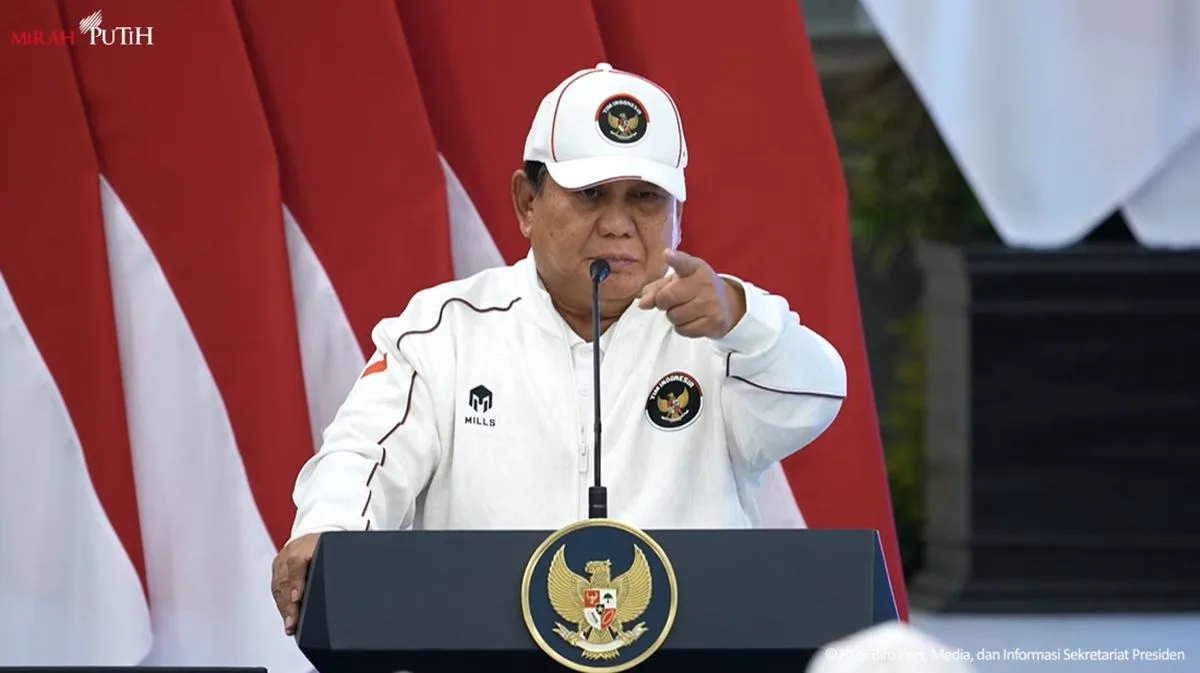
The Indonesian delegation left the hall of the 81st UN General Assembly session as Israeli Prime Minister Benjamin Netanyahu was about to speak, Thursday (24/9/2026). The move was not merely protocol, but a political statement that violence against Palestinians cannot be accepted as a given.
Spokesperson for Indonesia's Ministry of Foreign Affairs, Yvonne Mawengkang, stressed that the action was a show of solidarity with the Palestinian people as well as a condemnation of violations of international law in Gaza and the occupied territories. "Together with like-minded countries, Indonesia wants to send a clear message that violence against the Palestinian people and violations of international law cannot be normalized and must be stopped immediately," she said via a short message, Friday (25/9/2026).
This walkout is not the first in the history of Indonesian diplomacy. Since the era of President Soekarno, Jakarta has consistently refused to normalize relations with Israel and has supported Palestinian independence. However, in the context of the UN General Assembly, the collective action with a number of other delegations shows that disagreement with Israeli policy is no longer limited to Middle Eastern countries or the Organisation of Islamic Cooperation (OIC).
Netanyahu responded with a jibe that delegations who disagreed should leave the room before he spoke. According to an Antara report, the atmosphere briefly grew noisy as a number of diplomats rose from their seats. That response shows that international pressure has not shaken Israel's position, but at least it forced global attention onto the humanitarian issue in Gaza.
From the standpoint of foreign policy, Indonesia's move reinforces a free and active policy line that is not merely rhetorical. Indonesia did not send troops or economic sanctions, but a symbolic presence on the multilateral stage still carries weight, especially when other countries take a similar stance. For investors and businesses, this signal should be read as part of geopolitical risk: trade relations with partners that hold a different position on Israel could be affected, although so far there is no indication of direct economic retaliation.
On the other hand, the walkout leaves questions about the follow-up strategy. Without coordinated and measurable pressure, such protests risk becoming purely ceremonial. Indonesia has diplomatic capital as the country with the largest Muslim population and a G20 member, so its voice at the UN should be convertible into concrete initiatives, for instance pushing a resolution or rallying humanitarian aid.
"Violence against the Palestinian people and violations of international law cannot be normalized and must be stopped immediately." — Yvonne Mawengkang, Spokesperson for Indonesia's Ministry of Foreign Affairs
Going forward, the Indonesian public will be waiting to see whether the firm stance in New York is followed by real steps in other international forums, including efforts to end Israeli impunity. Without follow-up, the walkout will be recorded only as a symbol with no power to change anything. But if accompanied by a broader coalition of countries, it could become a turning point in global pressure over human rights violations in Palestine.