Tesla Powerwall Remote Update Bricks One Battery, Owner Pays Technician Out of Pocket
Baca dalam 60 detik
- Satu unit Powerwall 3 mati setelah pembaruan firmware dikirim ke baterai pengikut sebelum unit utama.
- Dukungan pelanggan Tesla disebut tidak mengungkap perubahan perangkat lunak selama 30 menit penanganan awal.
- Pemilik ditolak kompensasi karena garansi tidak menanggung kerugian produk atau kunjungan teknisi.
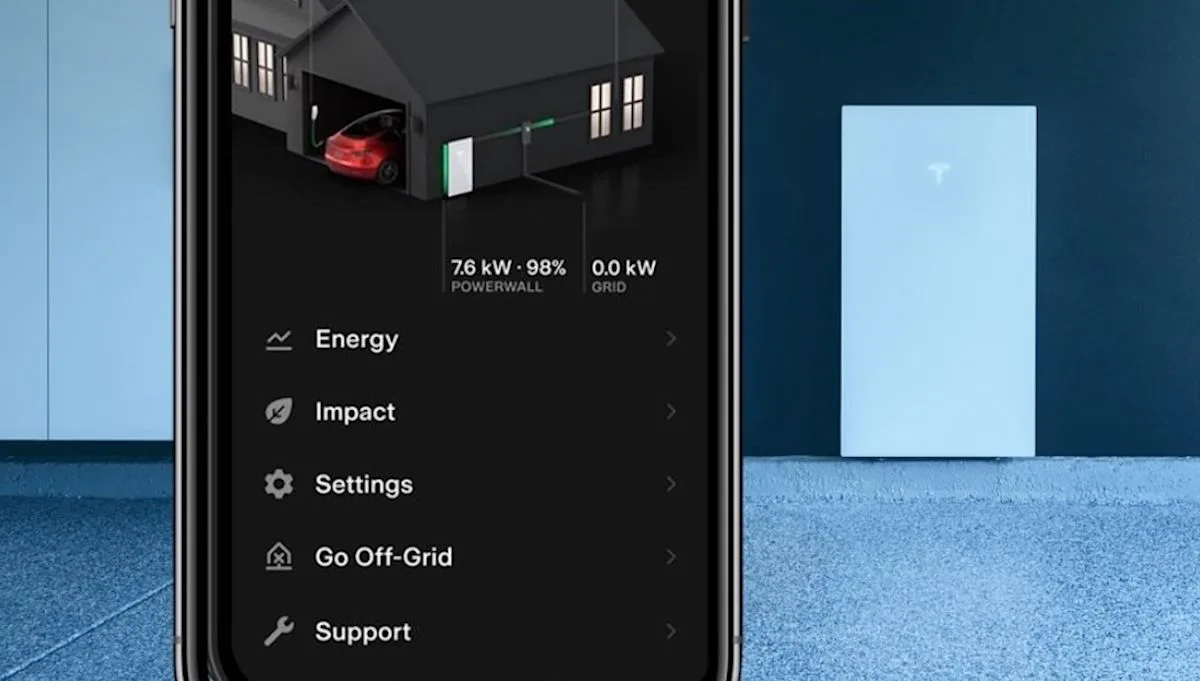
A remote software update to Tesla's Powerwall 3 home energy storage system reportedly left one of two batteries completely dead, forcing the owner to pay out of pocket for a third-party technician. The incident surfaced on a Reddit forum and serves as a warning for users of smart battery systems that rely on automatic updates from the manufacturer.
The homeowner in the post described a 15-month-old solar power system with two Powerwall 3 units that had previously operated smoothly. However, a firmware update delivered wirelessly reached the follower battery before the lead unit, and shortly afterward the follower battery was reported offline. An explanation only emerged after the owner paid an independent technician to come on site: the source of the problem was said to be that firmware wave, and updating the lead unit was believed to be able to restore the system.
Before that, Tesla's support team spent about 30 minutes troubleshooting without mentioning any firmware change. "Even though I worked with Tesla for 30 minutes, they never mentioned that they had made a firmware change," the owner wrote. The system only returned to normal after roughly two weeks of being down.
The owner, who said he has long worked in IT, argued that support should have begun the investigation by identifying recent changes. "As an experienced IT person, I suggest the first step in troubleshooting is 'what changes have been made'," he said. He also said he was denied compensation and was told that the Powerwall warranty does not cover product loss or the cost of technician visits.
"Ditto! Both of my powerwalls are down all day and no solar. I reported it to Tesla and they are investigating." — another owner's comment in the same thread.
Similar complaints came from other owners in the thread, indicating a potential systemic problem with multi-unit firmware updates. According to Tesla support statements relayed by the owner, when two firmware versions are involved, the lead unit should receive the newer software first. In this case, the order was reversed: the follower was updated first, then went dead.
The incident highlights the risks that accompany automatic software updates in household energy infrastructure. Battery systems like the Powerwall are designed to keep critical equipment running during outages, store excess solar power, and avoid peak electricity rates. But when a remote update instead cripples part of the system, consumers are left vulnerable: dependent on the manufacturer's response, while recovery costs can fall on their own shoulders.
For readers in Indonesia, this case is relevant as adoption of residential and commercial energy storage systems grows, especially in areas with unstable power supply or emerging renewable energy programs. Although Powerwall's market share in Indonesia is still limited, the same pattern of problems could occur with other smart battery brands that rely on wireless firmware updates. Consumers need to scrutinize warranty clauses, compensation policies, and update scheduling mechanisms before investing in battery-based backup systems.
The question now is whether home energy system manufacturers will fix update protocols so they do not cripple backup units, and how far consumer protection regulators will demand transparency when software changes cause material losses? Without that clarity, trust in the promise of "automatic updates that improve performance" could erode.